Summary
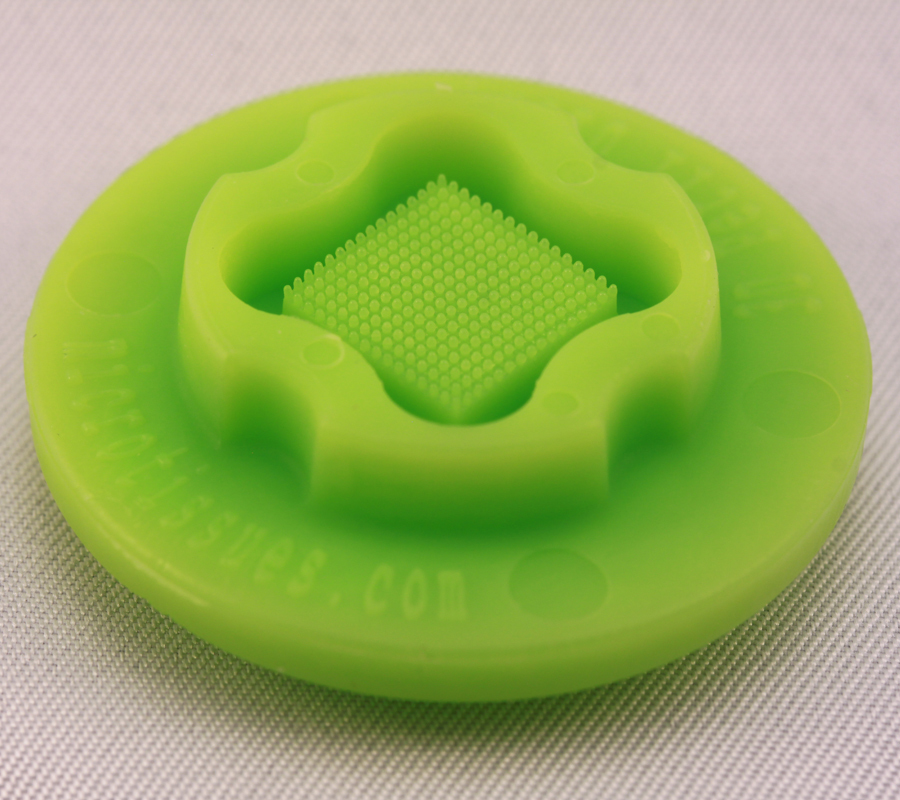
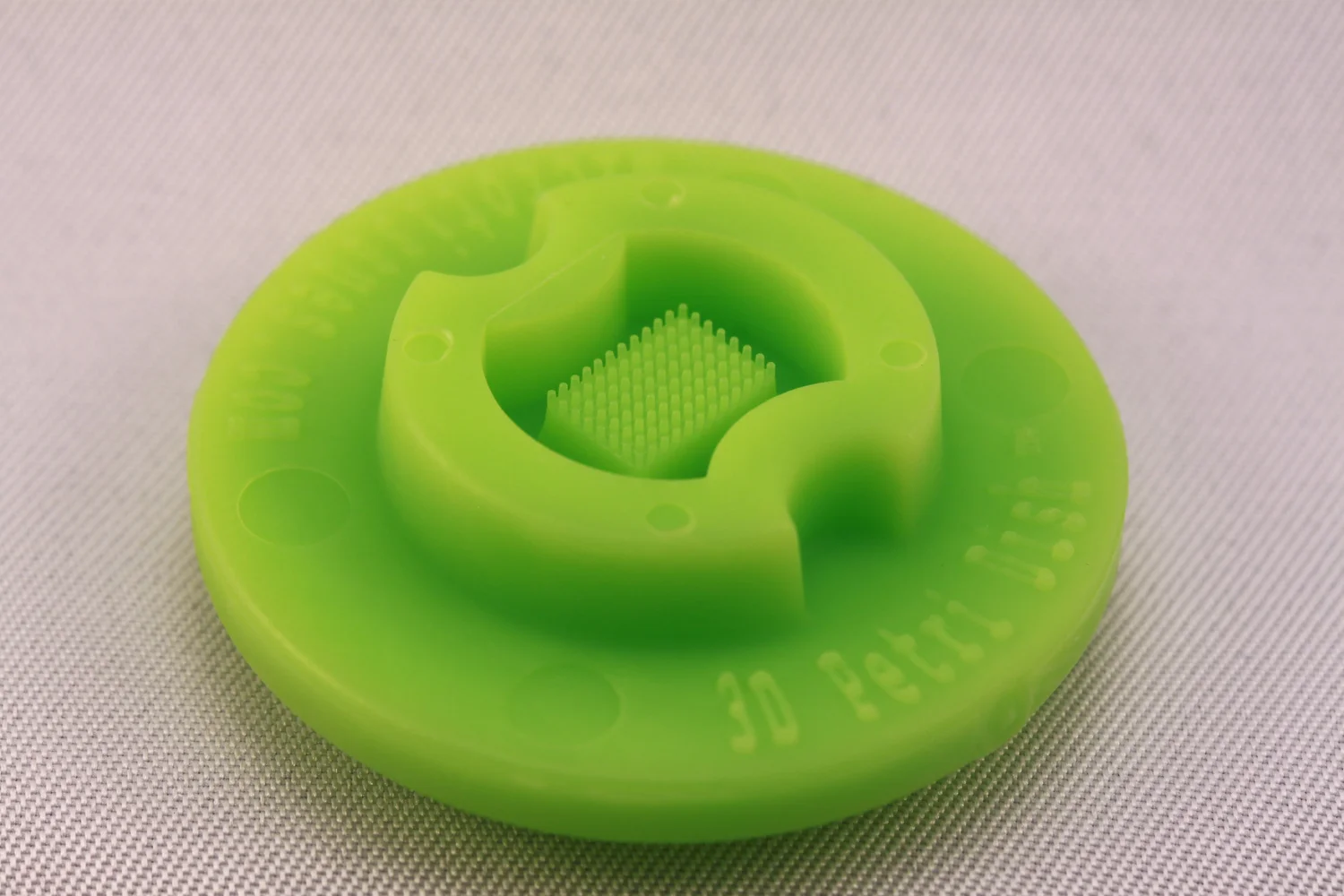
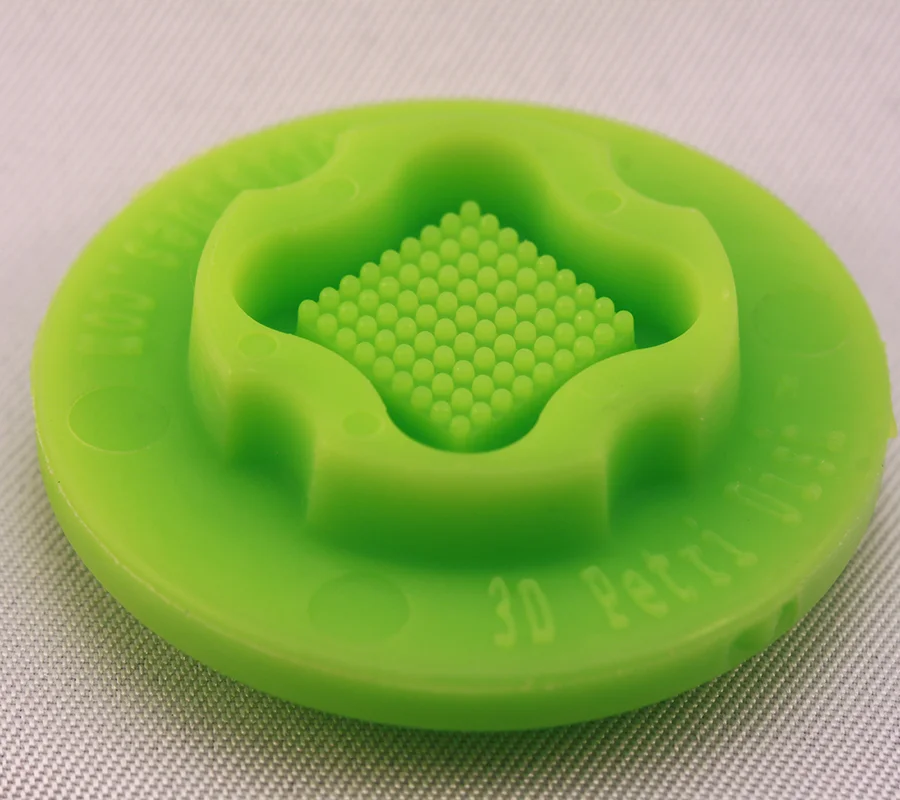
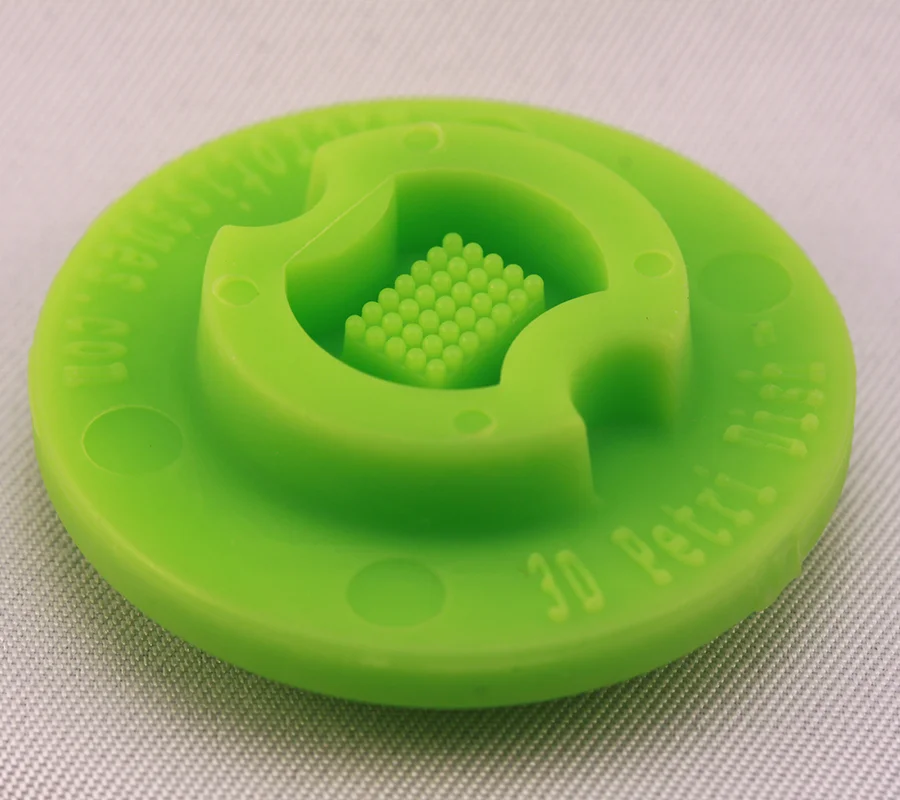
Published in Scientific Reports (2025), this peer-reviewed study used 3D Petri Dish® micro-molds to form scaffold-free 3D microtissues. Full citation: Maciejewska, Natalia, et al. Zinc complex with quinoline-based thiazolyl-hydrazone targeting DNA replication in cancer cells
Zinc complex with quinoline-based thiazolyl-hydrazone targeting DNA replication in cancer cells
Research Overview
Selective anticancer agents remain a central goal of medicinal chemistry. This study reports the first metal complex of a quinoline-based thiazolyl-hydrazone ligand: an octahedral Zn(II) complex, Zn(HL)22, built from two NNN-tridentate ligands, with full structural characterization.
In vitro, the complex was potently and selectively cytotoxic toward A-549 lung adenocarcinoma and HCT-116 colorectal carcinoma cells while sparing non-tumorigenic HEK-293 cells. Mechanistic studies showed S-phase arrest, inhibited DNA synthesis, and significant DNA damage marked by increased phosphorylated γH2AX.
Key Discoveries
- First metal complex of a quinoline thiazolyl-hydrazone ligand — an octahedral Zn(II) bis-chelate
- Potent, selective cytotoxicity against A-549 and HCT-116 with HEK-293 spared
- Induced S-phase arrest, blocked DNA synthesis, and raised p-γH2AX DNA-damage signal