Summary
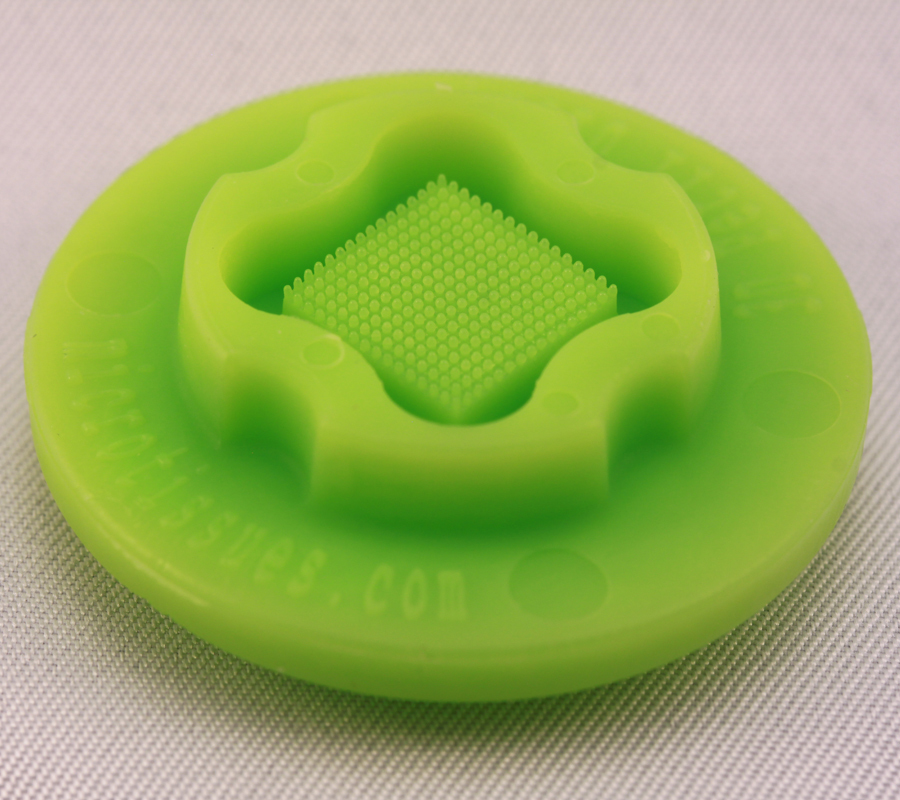
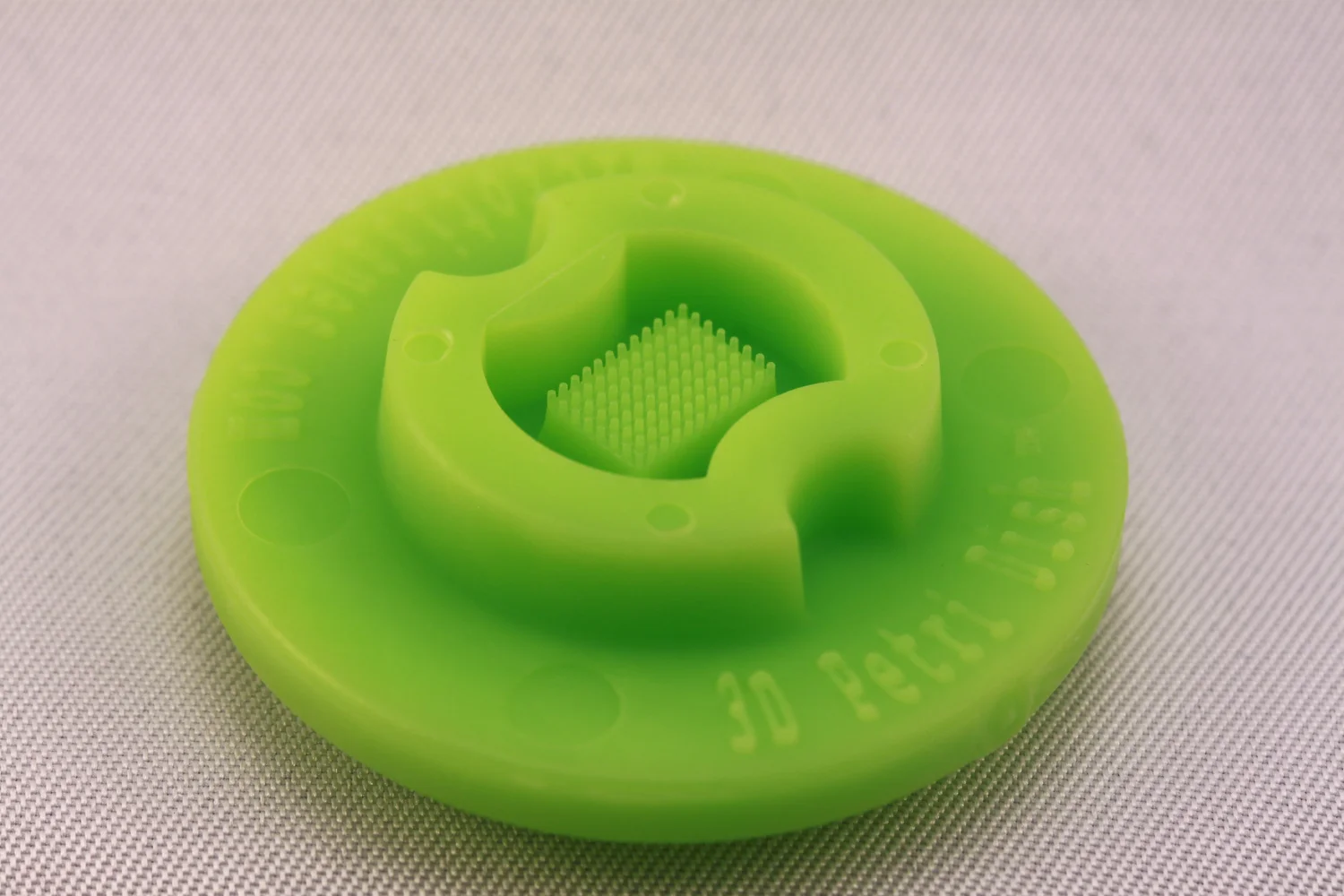
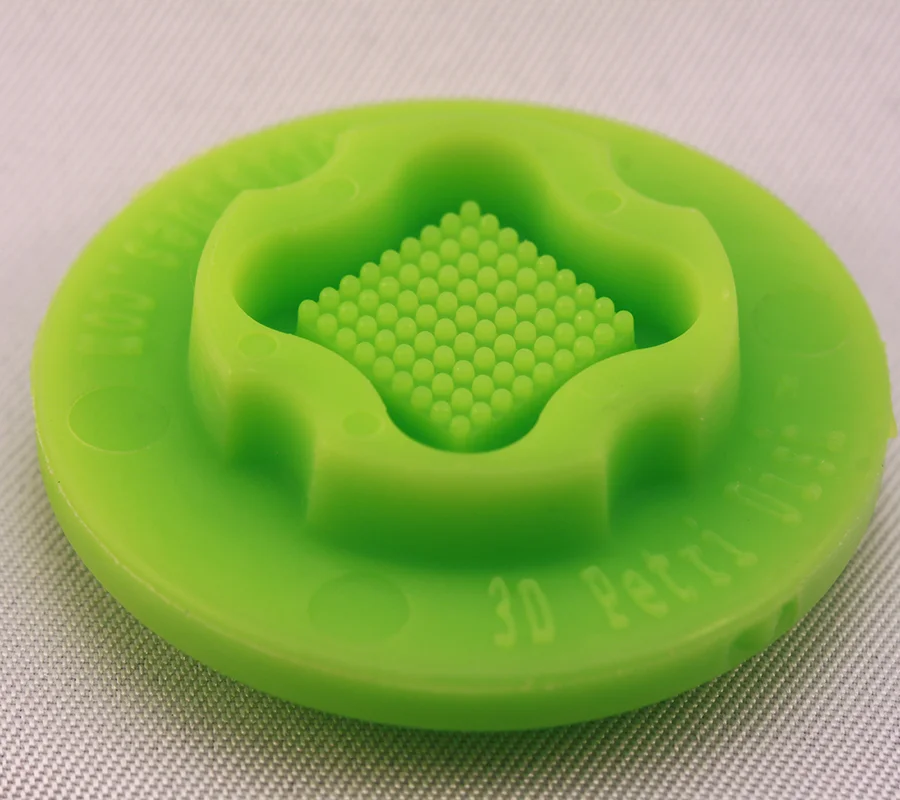
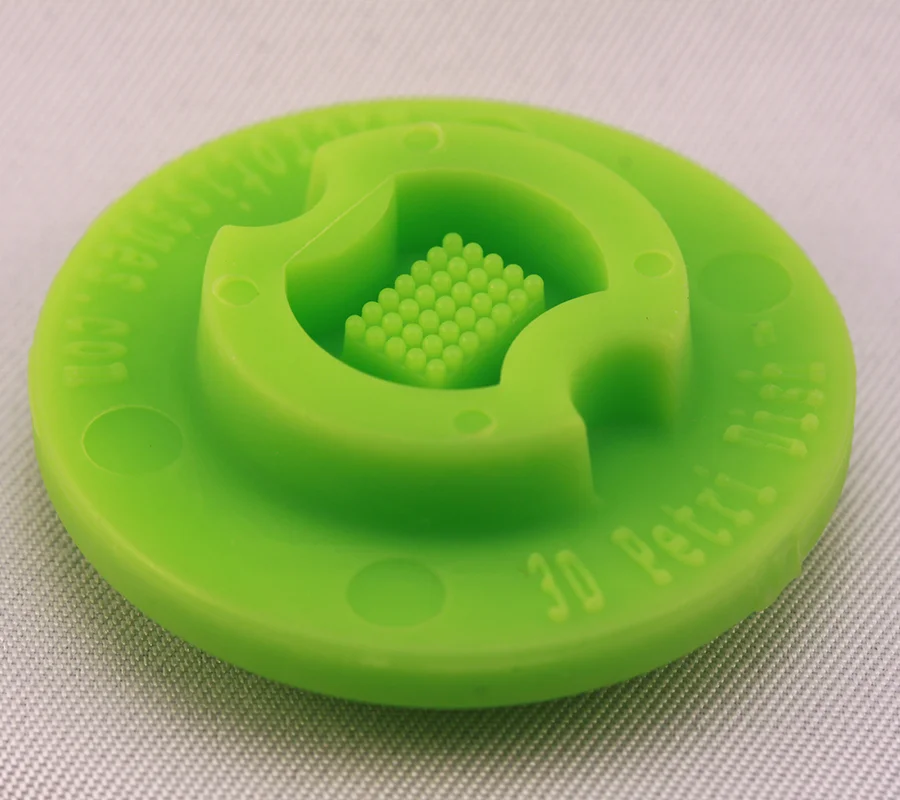
Published in Nanomedicine (2022), this peer-reviewed study used 3D Petri Dish® micro-molds to form scaffold-free 3D microtissues. Full citation: Alves, Cátia G, et al. Poly(2-Ethyl-2-Oxazoline)–IR780 Conjugate Nanoparticles for Breast Cancer Phototherapy
Poly(2-Ethyl-2-Oxazoline)–IR780 Conjugate Nanoparticles for Breast Cancer Phototherapy
Research Overview
IR780 is a promising near-infrared dye for photothermal cancer therapy, but its poor water solubility limits clinical use. In this study, researchers conjugated IR780 for the first time to thiol-terminated poly(2-ethyl-2-oxazoline) and combined the conjugate with D-α-tocopheryl succinate to assemble mixed nanoparticles with strong colloidal stability and good compatibility with healthy cells at therapeutic doses.
The team tested the nanoparticles against heterotypic breast cancer spheroids — 3D tumor models combining multiple cell types. When combined with near-infrared light, the nanoparticles reduced spheroid viability to just 15%, supporting their potential as agents for breast cancer photothermal therapy. The 3D spheroid format provided a more demanding, tissue-like test of nanoparticle penetration and killing than flat culture.
Key Discoveries
- First conjugation of IR780 dye to poly(2-ethyl-2-oxazoline), yielding stable, cytocompatible nanoparticles
- Nanoparticles plus near-infrared light reduced heterotypic breast cancer spheroid viability to 15%
- 3D spheroid testing provided a tissue-like model for photothermal therapy evaluation