Summary
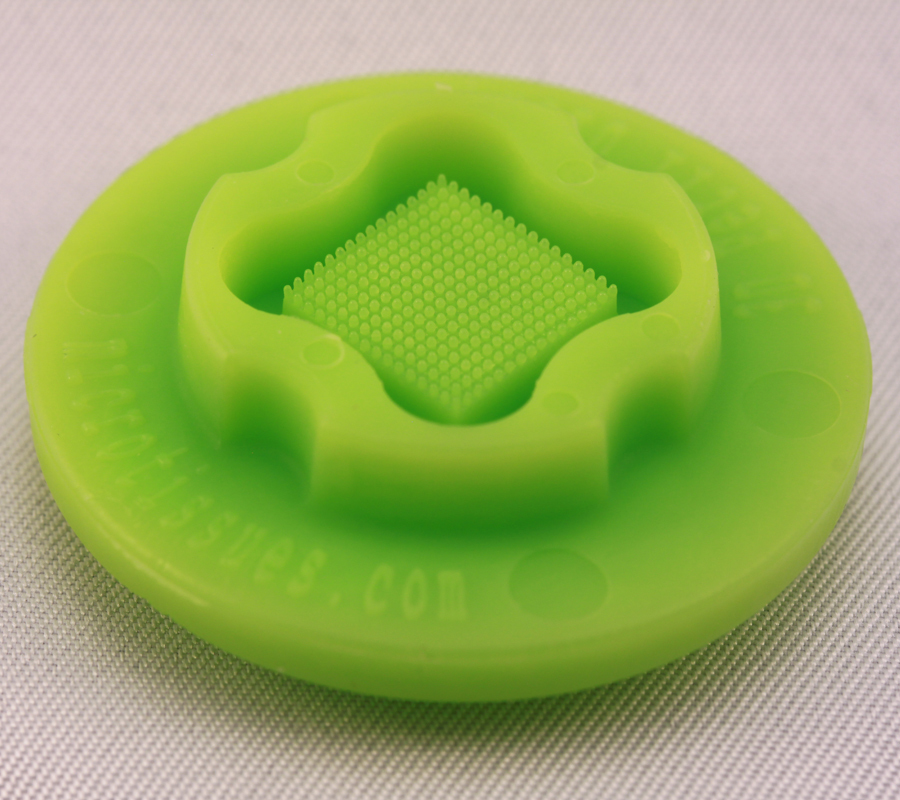
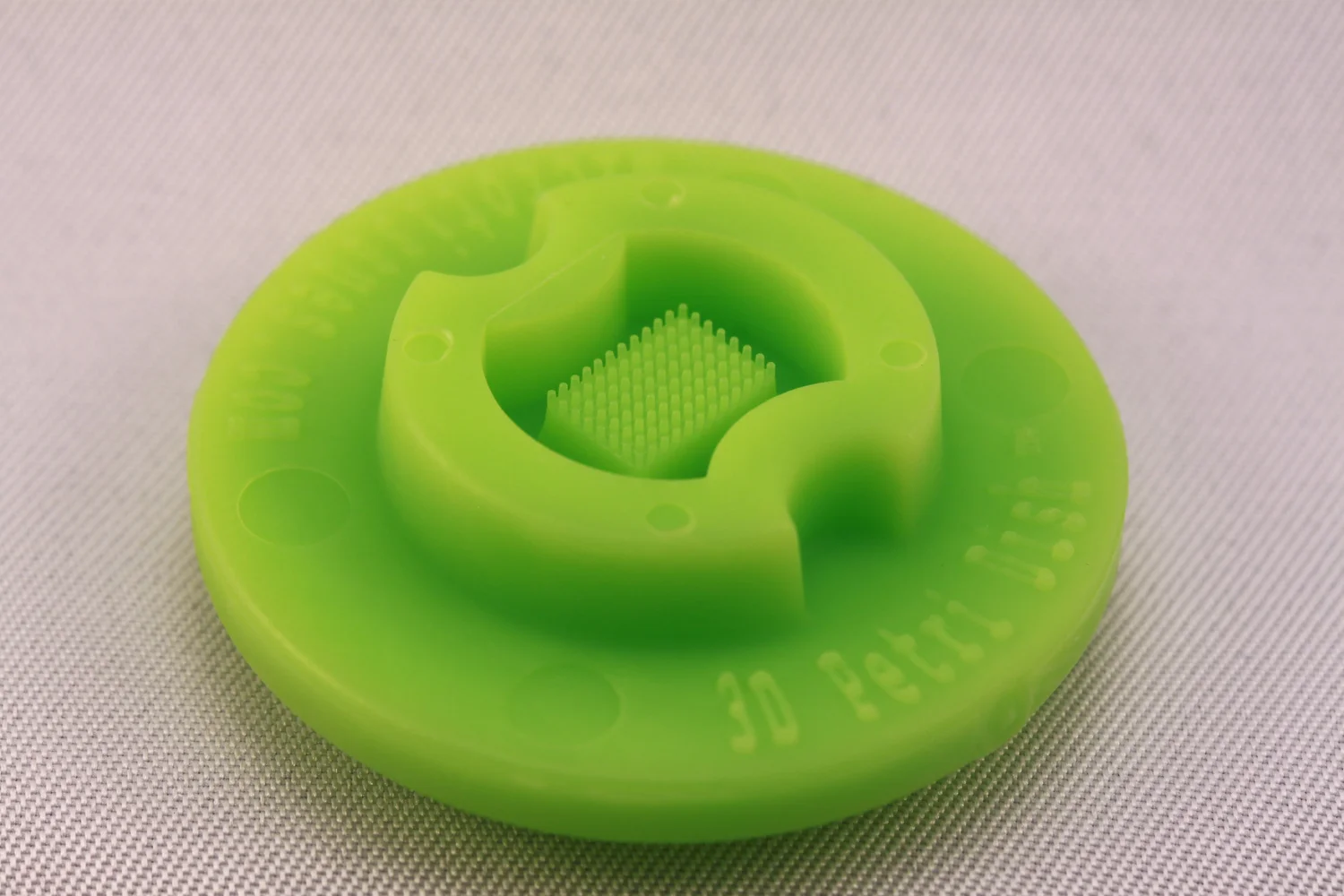
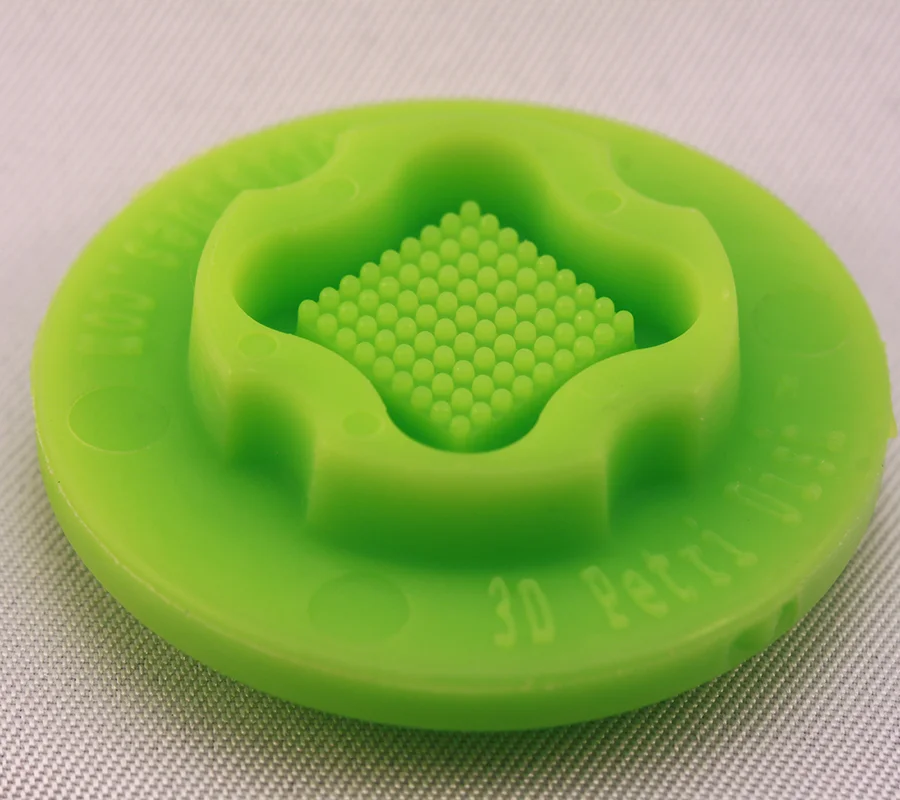
Published in Anticancer Research (2021), this peer-reviewed study used 3D Petri Dish® micro-molds to form scaffold-free 3D microtissues. Full citation: USHIJIMA, HIRONORI, et al. Suppressive Effects of Anisomycin on the Proliferation of B16 Mouse Melanoma CellsIn Vitro
Suppressive Effects of Anisomycin on the Proliferation of B16 Mouse Melanoma CellsIn Vitro
Research Overview
Anisomycin kills melanoma cells at lower concentrations than other cancer types, but the mechanism was unclear. This study examined sensitivity, cytotoxicity, glucose metabolism, and expression of senescence- and cancer-associated genes in B16 mouse melanoma cells.
Viability fell with increasing anisomycin concentration, and spheroid growth was suppressed at just 50 nM — a low dose confirming the drug’s potency in 3D as well as 2D. Glucose metabolism was reduced by treatment, pointing toward metabolic disruption as part of anisomycin’s antitumor mechanism in melanoma.
Key Discoveries
- Anisomycin suppressed melanoma spheroid growth at just 50 nM
- Viability decreased concentration-dependently with metabolic disruption
- Glucose metabolism reduction implicated in the antitumor mechanism