Summary
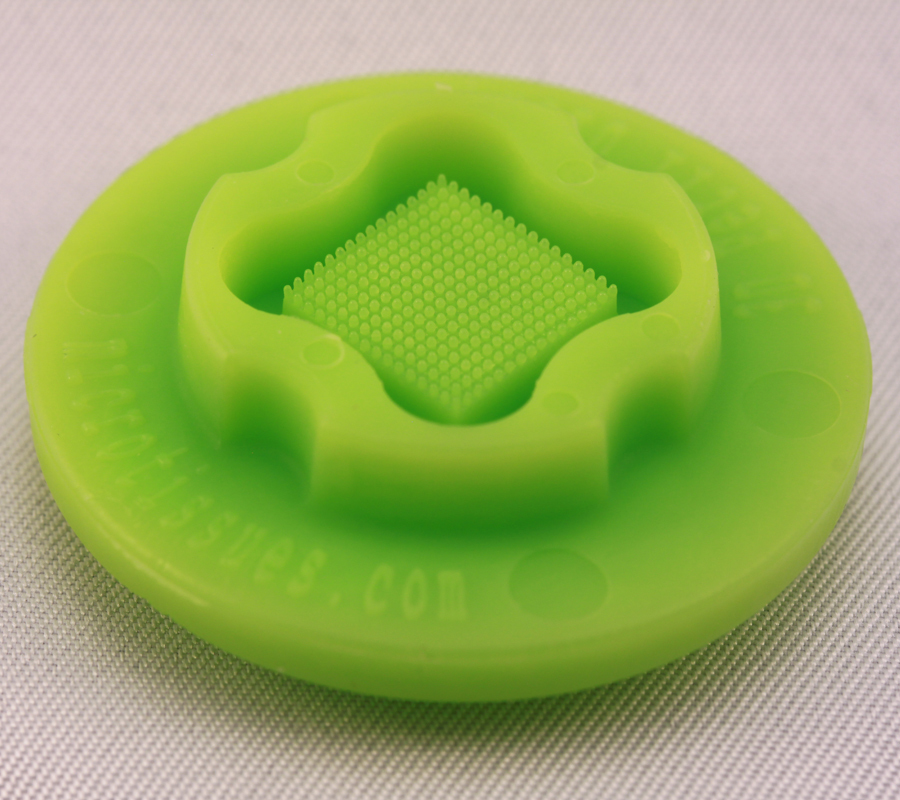
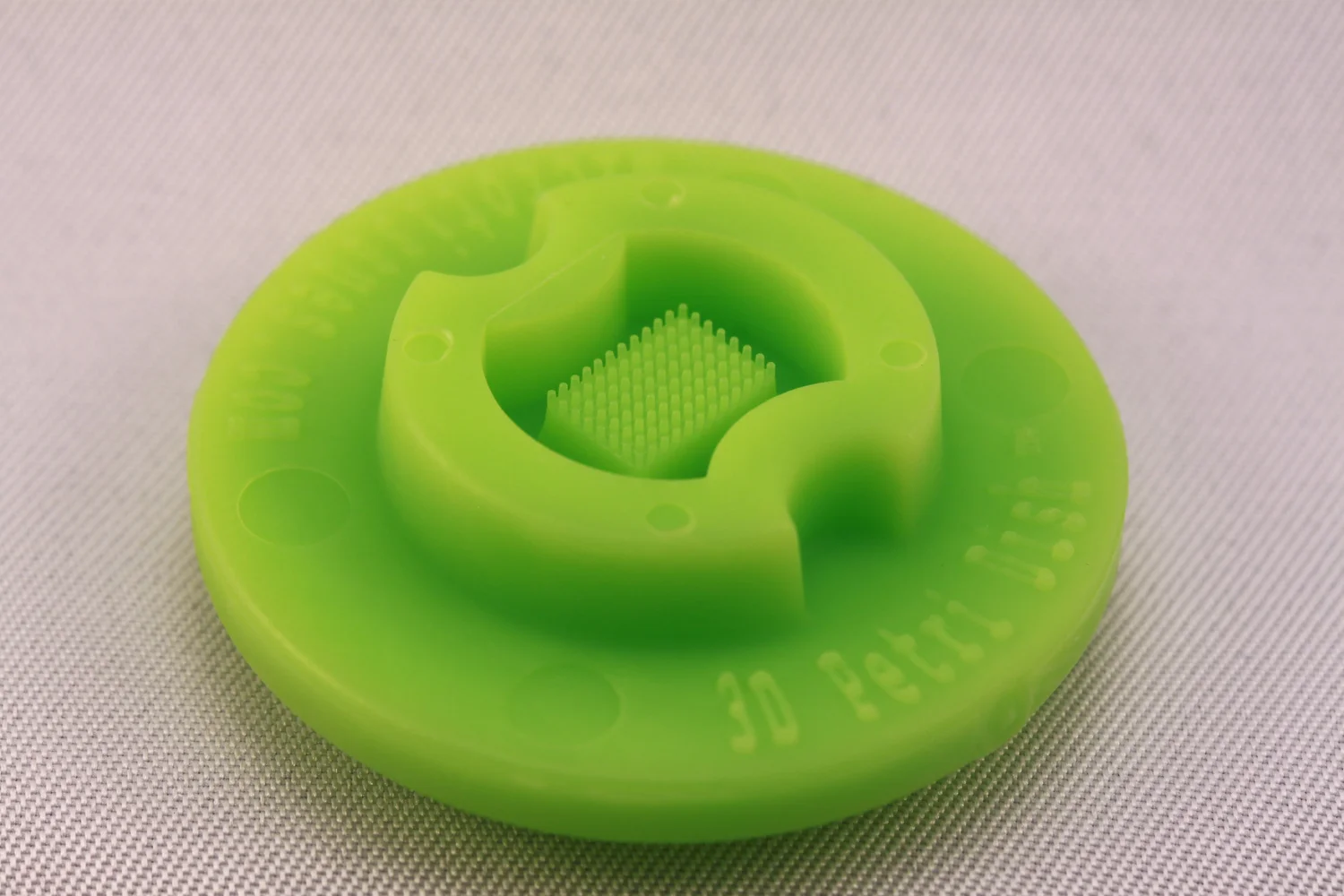
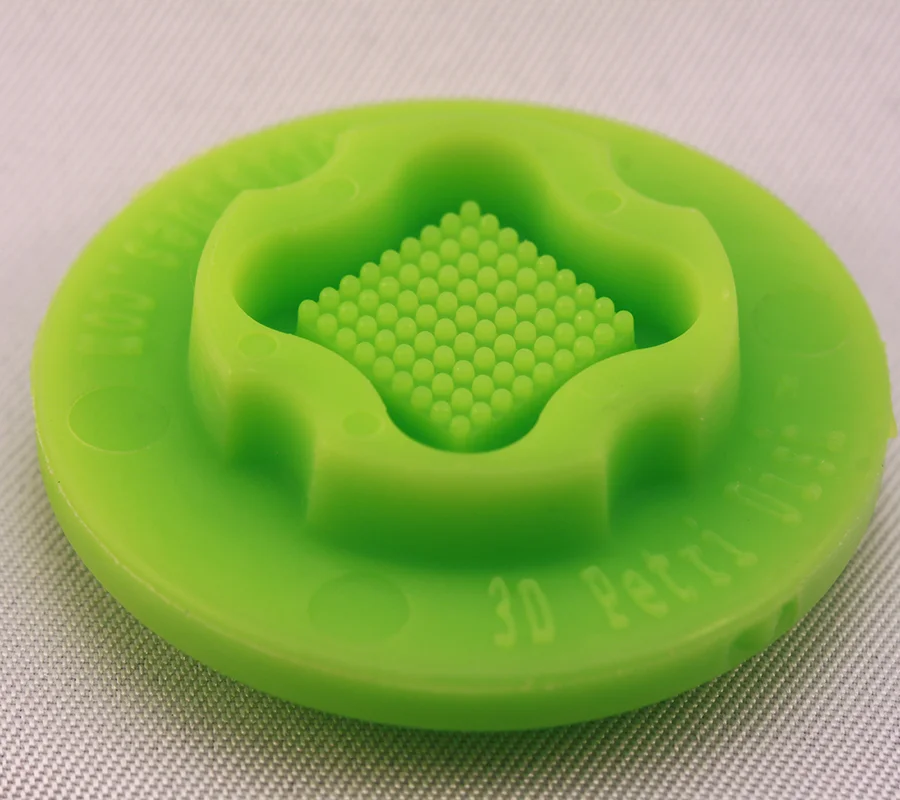
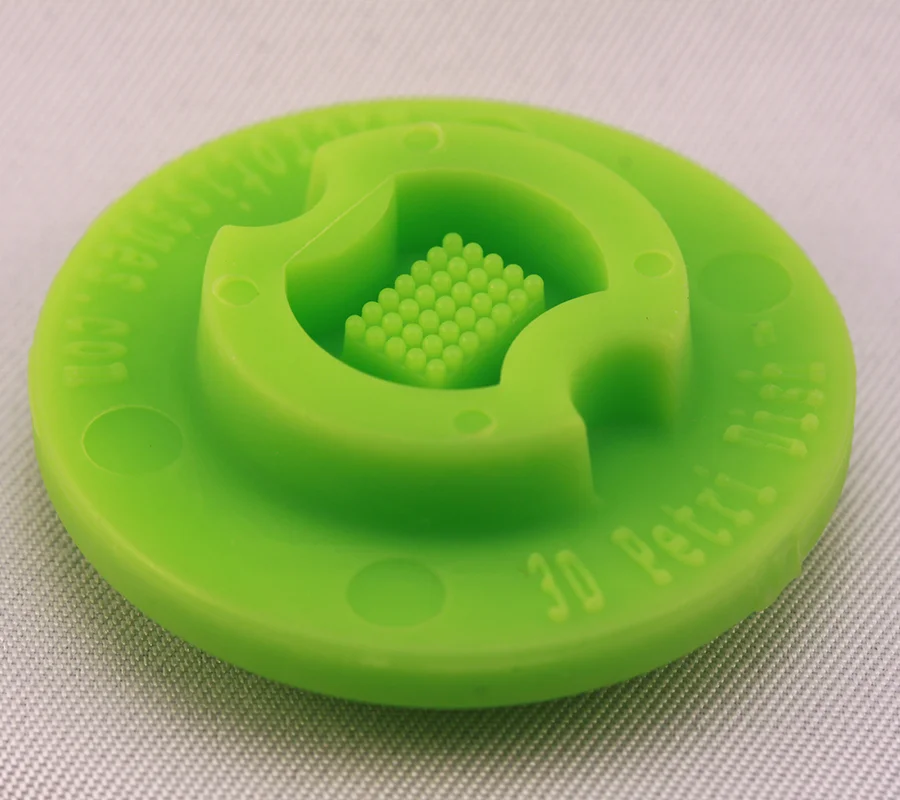
Published in Anticancer Research (2021), this peer-reviewed study used 3D Petri Dish® micro-molds to form scaffold-free 3D microtissues. Full citation: TURNOVCOVA, KAROLÍNA, et al. Understanding the Biological Basis of Glioblastoma Patient-derived Spheroids
Understanding the Biological Basis of Glioblastoma Patient-derived Spheroids
Research Overview
Glioblastoma resists therapy largely because of glioblastoma stem cells. This study characterized their behavior in proliferation, migration, and angiogenesis by isolating and culturing human-derived stem cells from patient tumors alongside cells extracted from xenograft tumors.
Spheroids from both sources were compared by flow cytometry and migration, proliferation, and angiogenesis assays, with Oct3/4, Sox2, GFAP, and Ku80 expression assessed by immunoanalysis. The xenograft model produced two distinct tumor types with different characteristics — a caution for how xenograft-derived material is interpreted.
Key Discoveries
- Patient-derived and xenograft-derived glioblastoma stem cell spheroids compared directly
- Proliferation, migration, and angiogenesis profiled alongside stemness markers Oct3/4 and Sox2
- Xenograft model produced two tumors with distinct characteristics