Summary
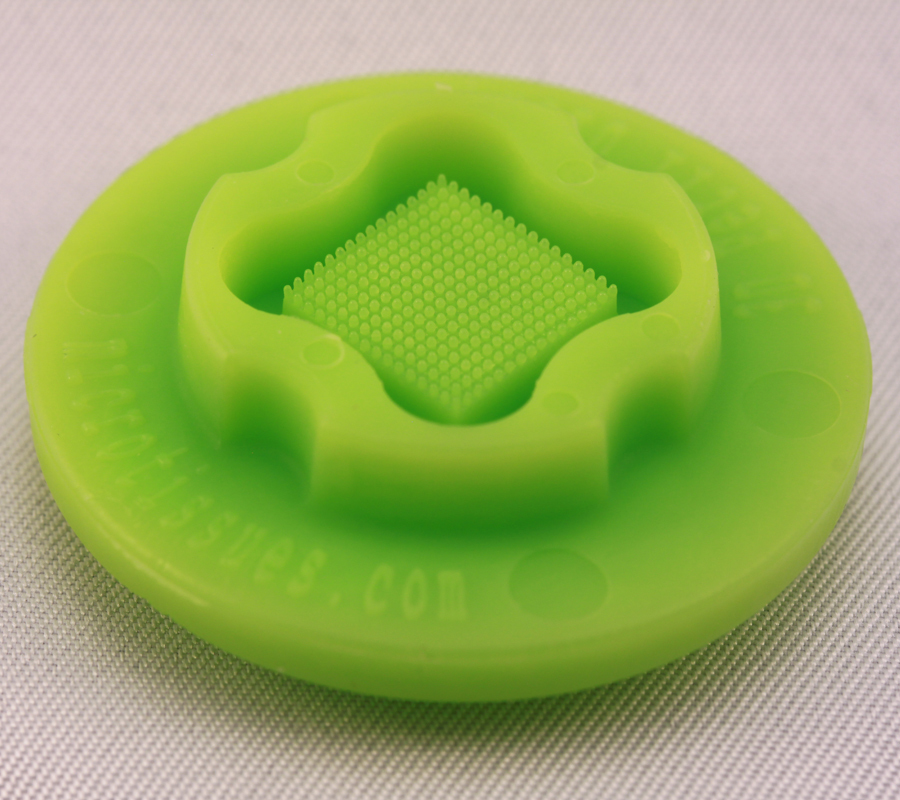
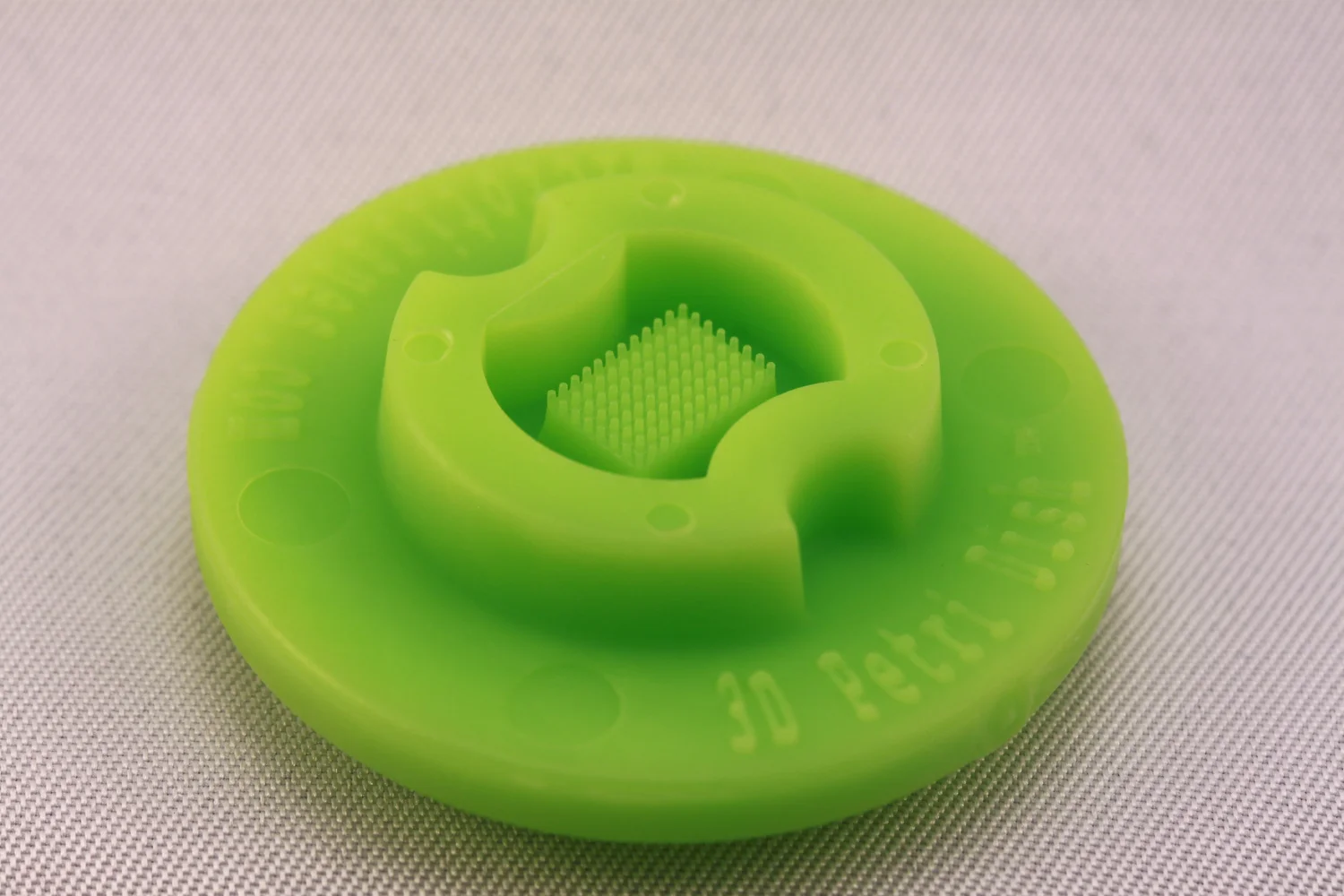
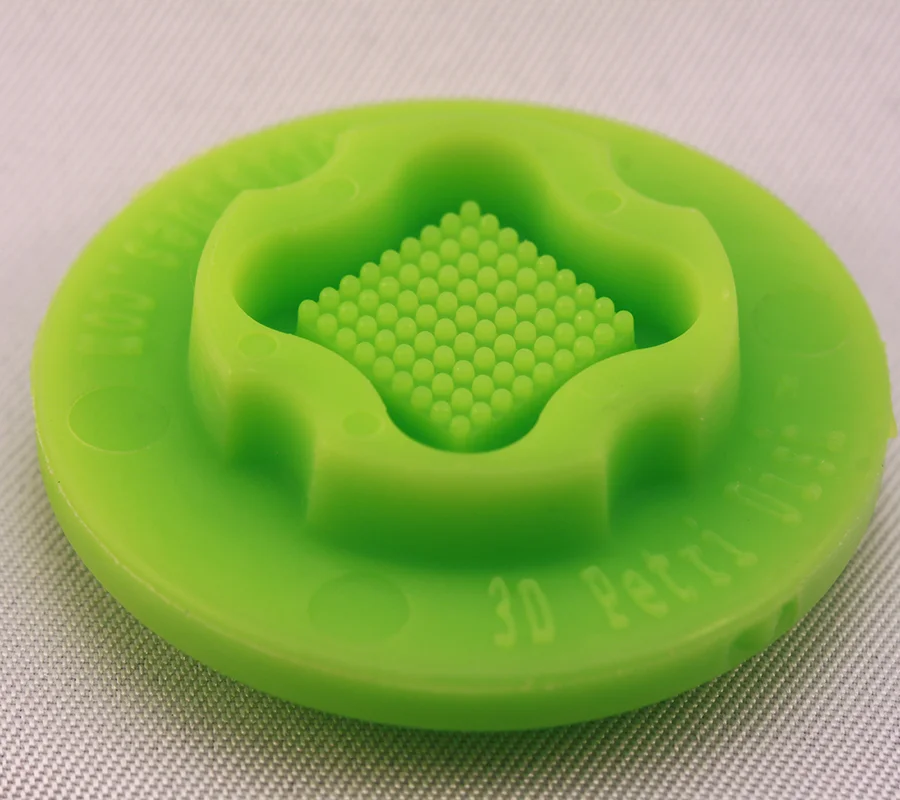
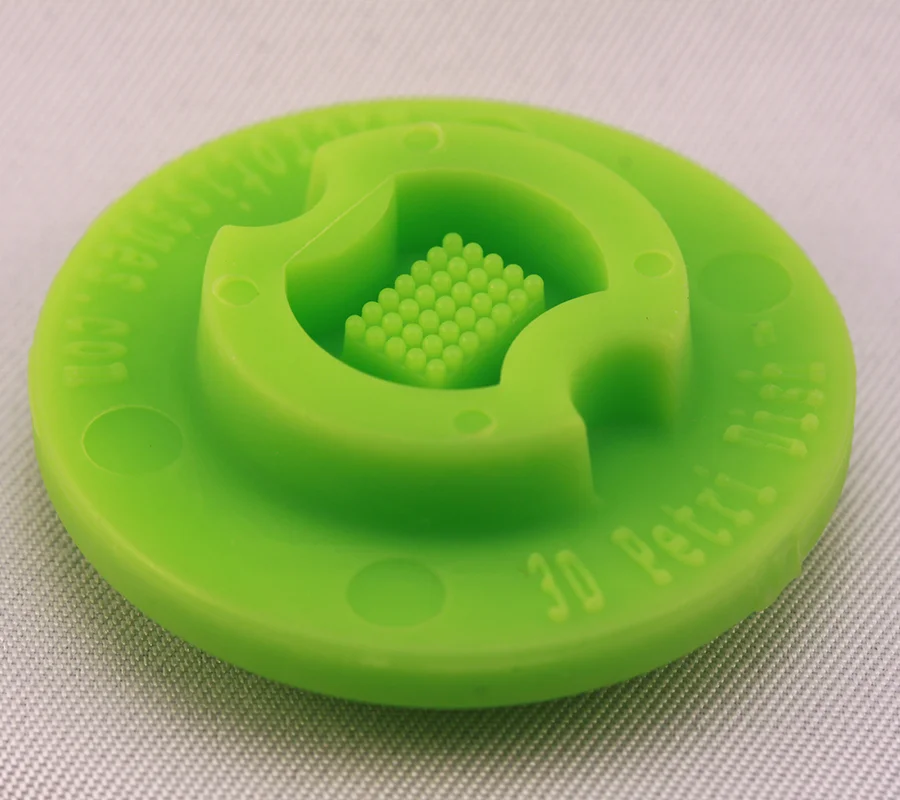
Published in ACS Biomaterials Science & Engineering (2024), this peer-reviewed study used 3D Petri Dish® micro-molds to form scaffold-free 3D microtissues. Full citation: Li, Zhihua, et al. Ultrastable Iodinated Oil-Based Pickering Emulsion Enables Locoregional Sustained Codelivery of Hypoxia Inducible Factor-1 Inhibitor and Anticancer Drugs for Tumor Combination Chemotherapy
Ultrastable Iodinated Oil-Based Pickering Emulsion Enables Locoregional Sustained Codelivery of Hypoxia Inducible Factor-1 Inhibitor and Anticancer Drugs for Tumor Combination Chemotherapy
Research Overview
Tumor hypoxia drives drug resistance, but sustained delivery systems able to carry high loads of hypoxia-inducible factor-1 inhibitors have been scarce. This study developed an ultrastable iodinated oil-based Pickering emulsion for locally sustained co-delivery of the HIF-1 inhibitor acriflavine together with doxorubicin.
The emulsion injected easily for intratumoral administration, was radiopaque for in vivo imaging, remained physically stable for over a month, and released both hydrophilic drugs over the long term — combining chemotherapy with hypoxia-pathway inhibition in a single locally administered formulation.
Key Discoveries
- Pickering emulsion co-delivered HIF-1 inhibitor acriflavine with doxorubicin intratumorally
- Physical stability exceeded one month with long-term sustained release of both drugs
- Radiopacity from the iodinated oil enabled in vivo imaging of the depot