Summary
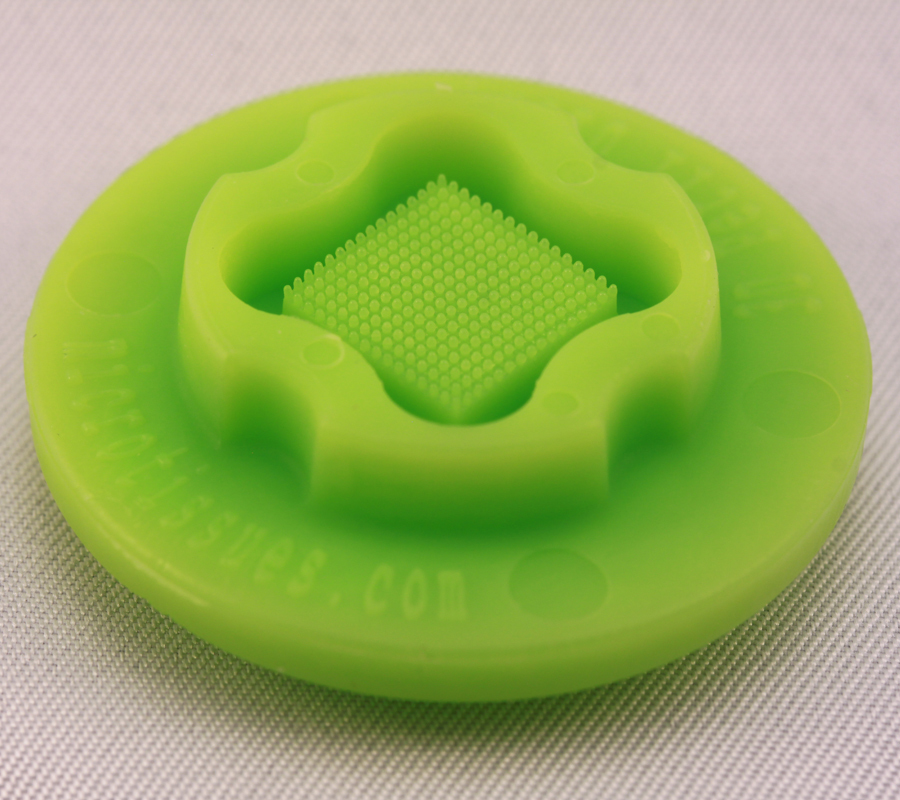
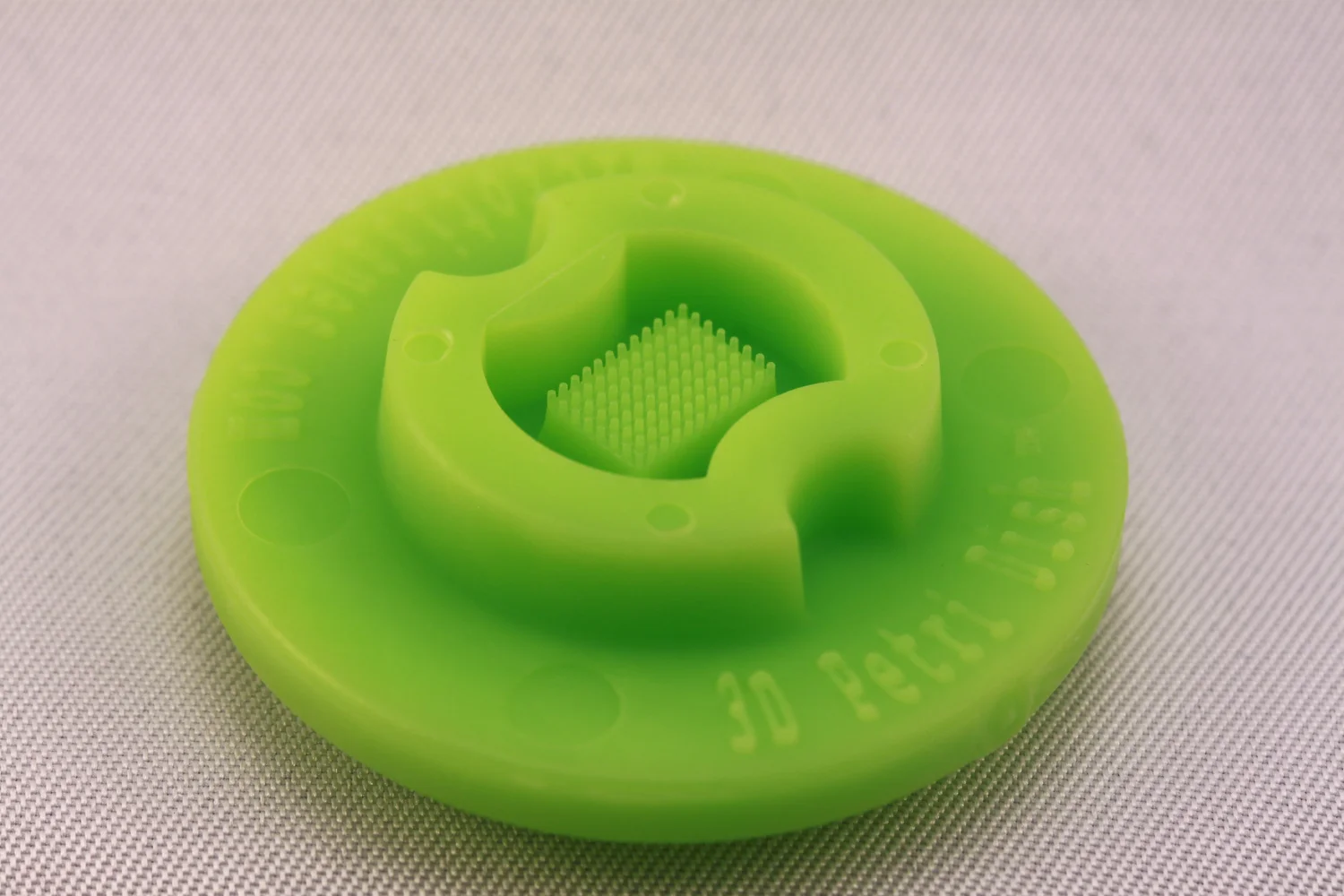
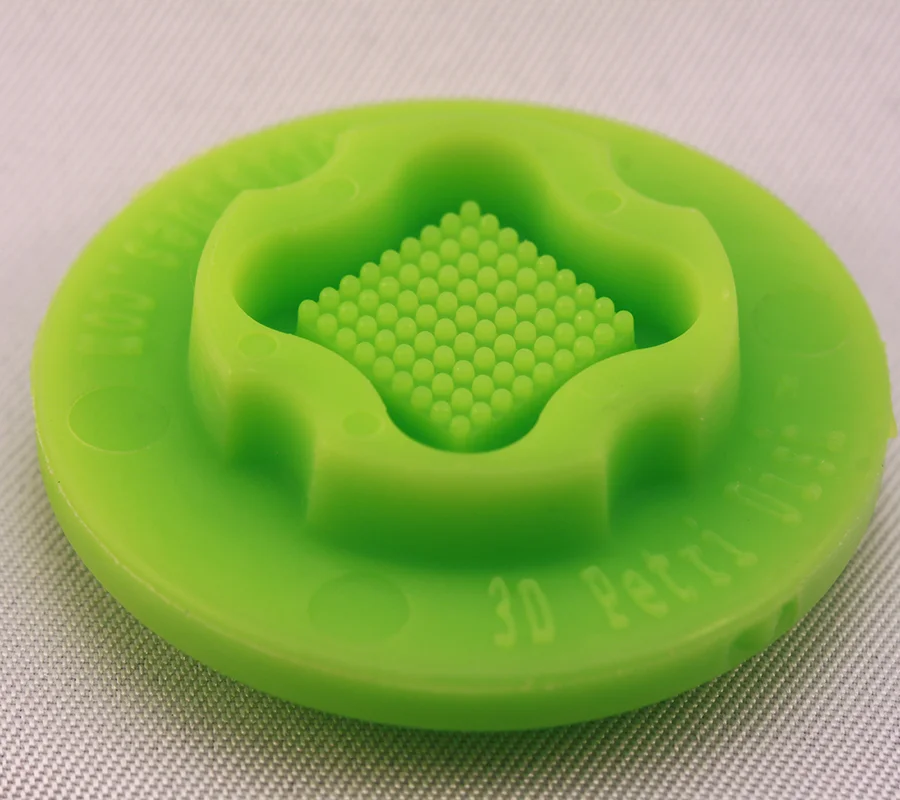
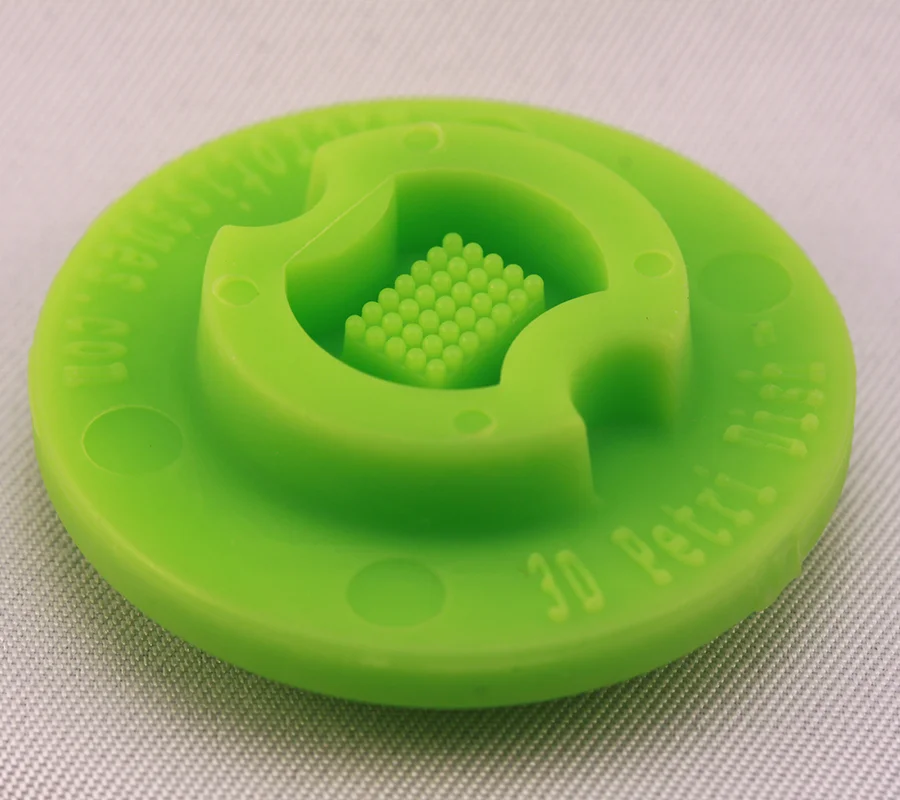
Published in Science Advances (2020), this peer-reviewed study used 3D Petri Dish® micro-molds to form scaffold-free 3D microtissues. Full citation: Brill-Karniely, Yifat, et al. Triangular correlation (TrC) between cancer aggressiveness, cell uptake capability, and cell deformability
Triangular correlation (TrC) between cancer aggressiveness, cell uptake capability, and cell deformability
Research Overview
Cancer cell malignancy correlates with mechanical deformability, but mechanical testing is impractical in the clinic. This study proposed a workaround: a triangular correlation linking cell deformability, phagocytic capacity, and cancer aggressiveness — meaning phagocytic measurement could serve as a practical surrogate marker for malignancy.
The correlation was demonstrated in human prostate cancer cells of differing malignancy, and in bladder cancer and melanoma cells sorted purely by phagocytic capacity. The more phagocytic subpopulations proved more aggressive both ex vivo and in vivo, retained their uptake potential, and showed distinct differences in gene expression and epigenetic signature.
Key Discoveries
- Triangular correlation links cell deformability, phagocytic capacity, and cancer aggressiveness
- Cells sorted solely by phagocytic capacity showed elevated aggressiveness ex vivo and in vivo
- Phagocytic measurement proposed as a clinically practical surrogate for mechanical testing