Summary
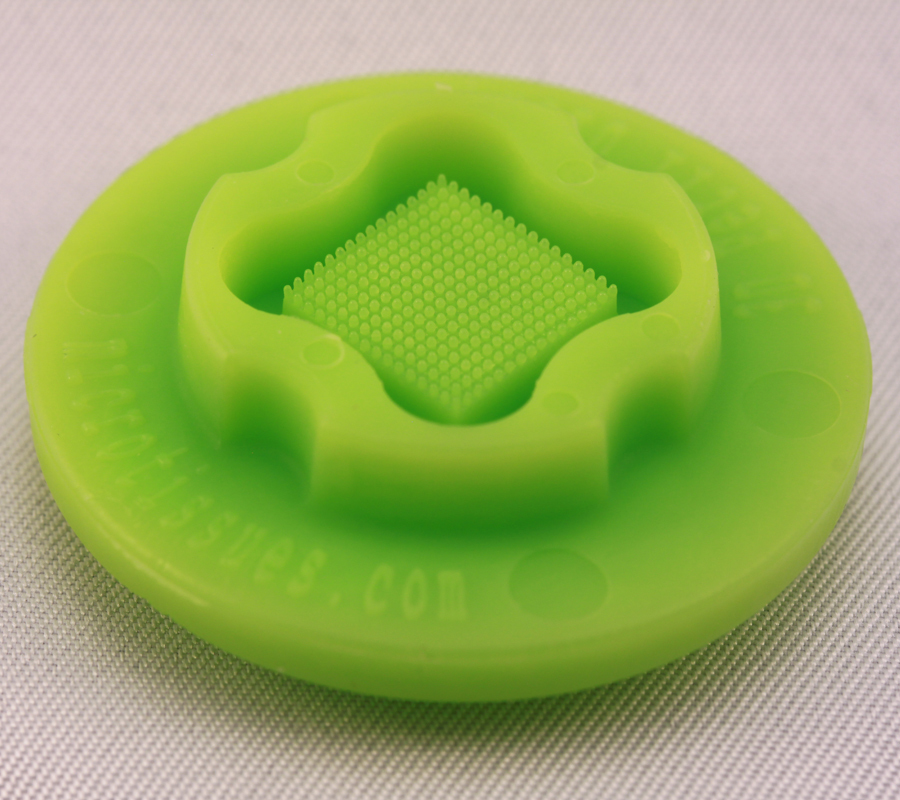
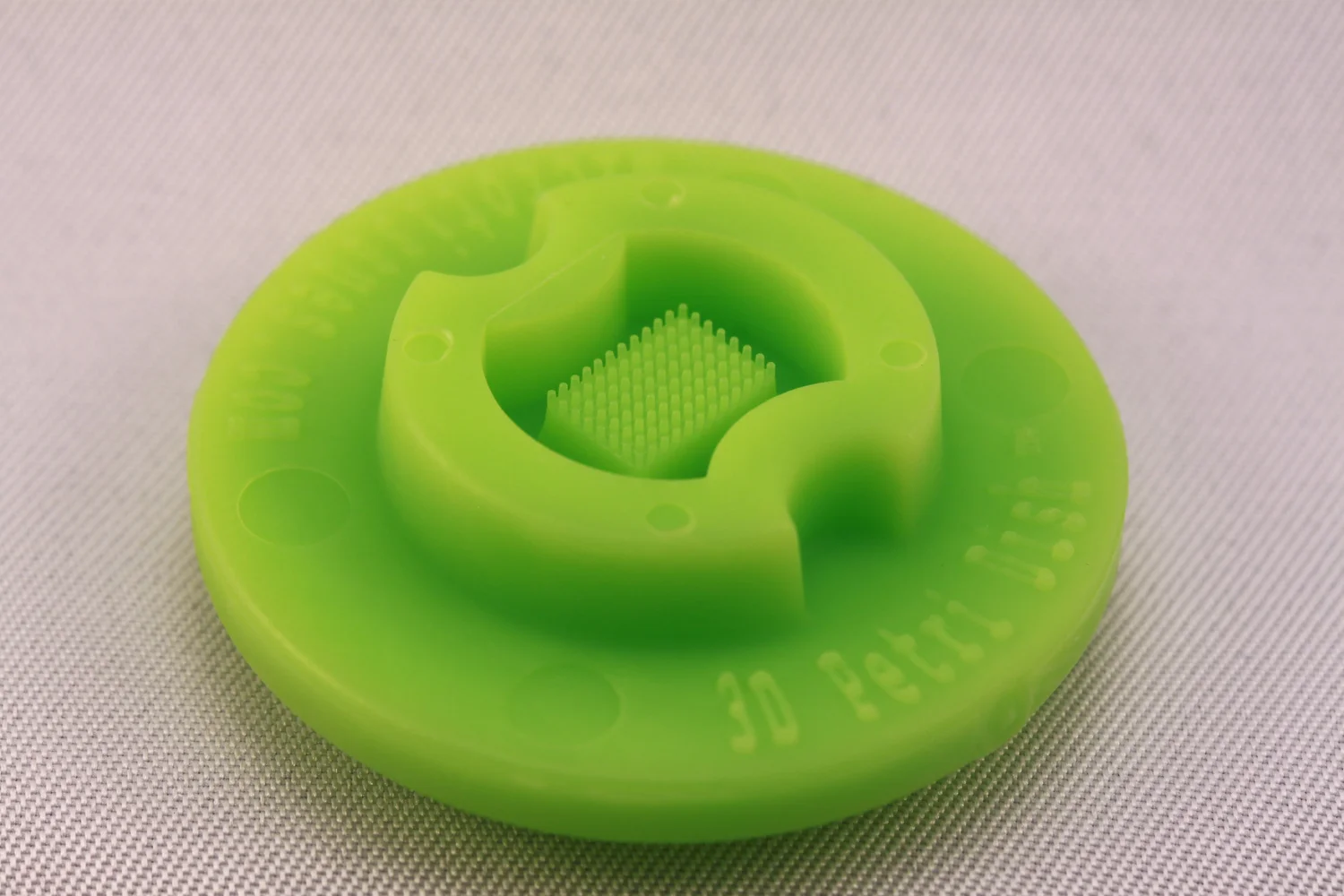
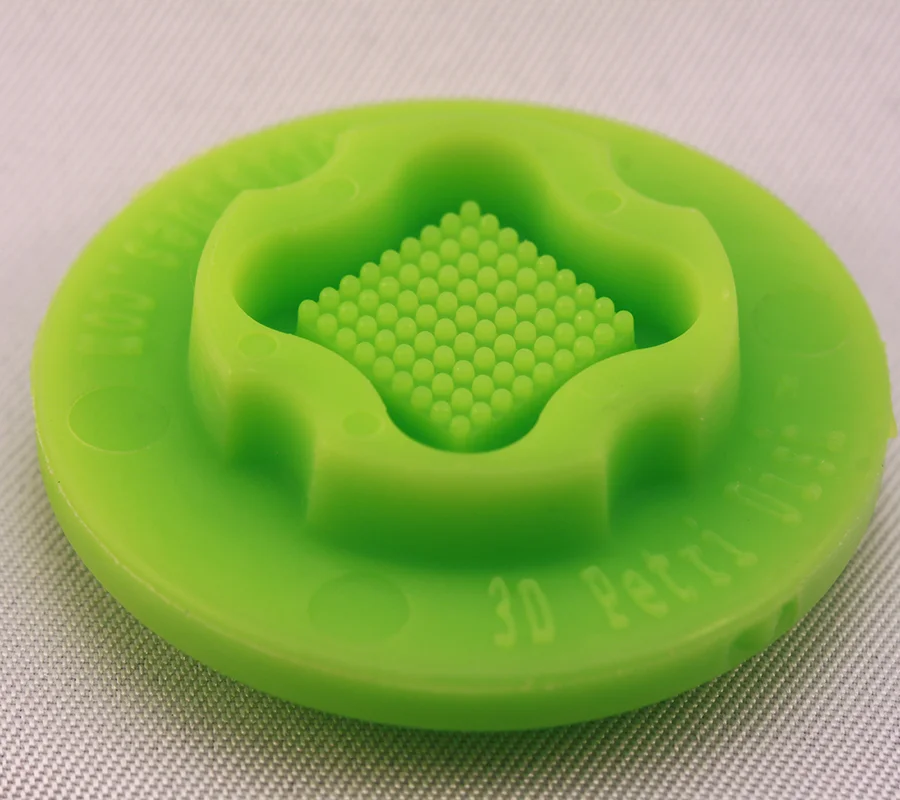
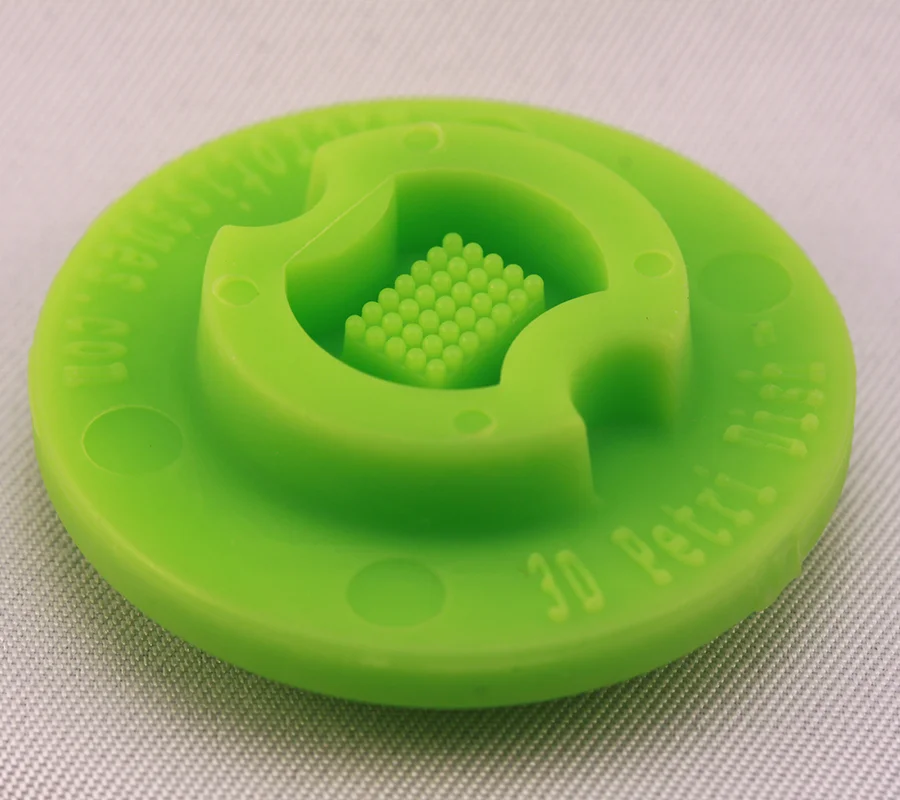
Published in Cancers (2021), this peer-reviewed study used 3D Petri Dish® micro-molds to form scaffold-free 3D microtissues. Full citation: Janovec, Vaclav, et al. TLR4-Mediated Recognition of Mouse Polyomavirus Promotes Cancer-Associated Fibroblast-Like Phenotype and Cell Invasiveness
TLR4-Mediated Recognition of Mouse Polyomavirus Promotes Cancer-Associated Fibroblast-Like Phenotype and Cell Invasiveness
Research Overview
The tumorigenic potential of mouse polyomavirus (MPyV) has long been attributed to its nonstructural middle T antigen (MT), a scaffold adaptor that activates Src tyrosine kinases. This study asked whether MPyV could also transform mouse cells independently of MT, through a Toll-like receptor 4 (TLR4)-mediated inflammatory route.
In mouse embryonic fibroblasts and 3T6 cells, MPyV interaction with TLR4 drove interleukin-6 secretion independent of active viral replication, and TLR4 colocalized with the viral capsid protein VP1. Neither TLR4 activation nor recombinant IL-6 inhibited viral replication. MPyV induced STAT3 phosphorylation through two routes: a direct, MT-dependent mechanism and an indirect one dependent on TLR4/IL-6.
Key Discoveries
- MPyV triggered IL-6 secretion via TLR4 in MEFs and 3T6 cells, independent of viral replication
- TLR4 colocalized with the MPyV capsid protein VP1
- STAT3 phosphorylation was induced both directly (MT-dependent) and indirectly (TLR4/IL-6-dependent)