Summary
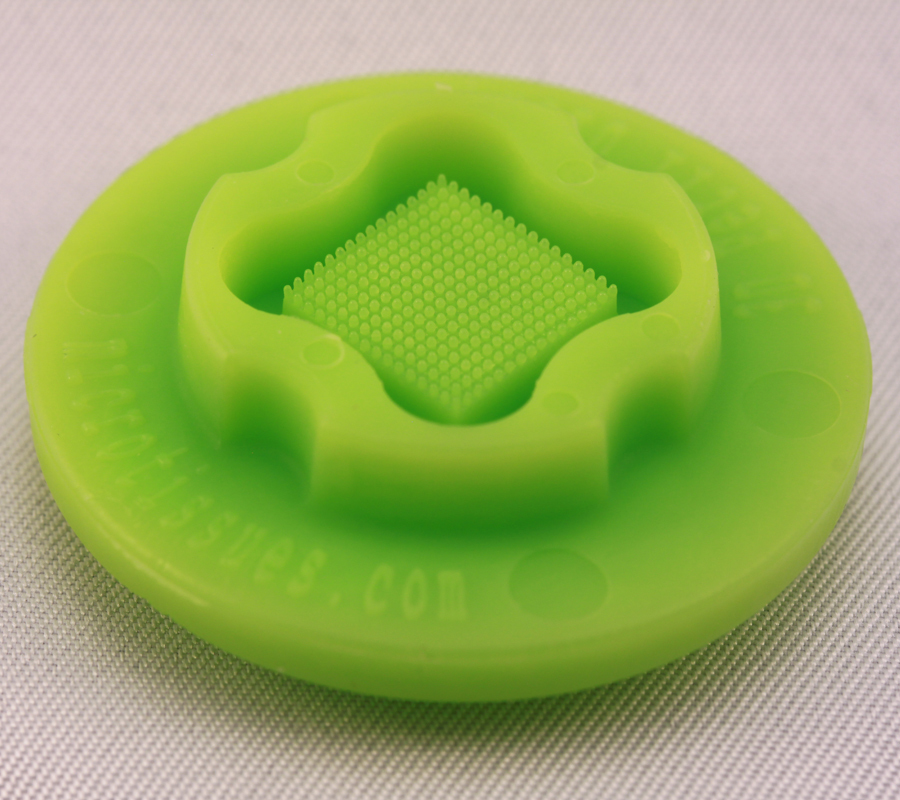
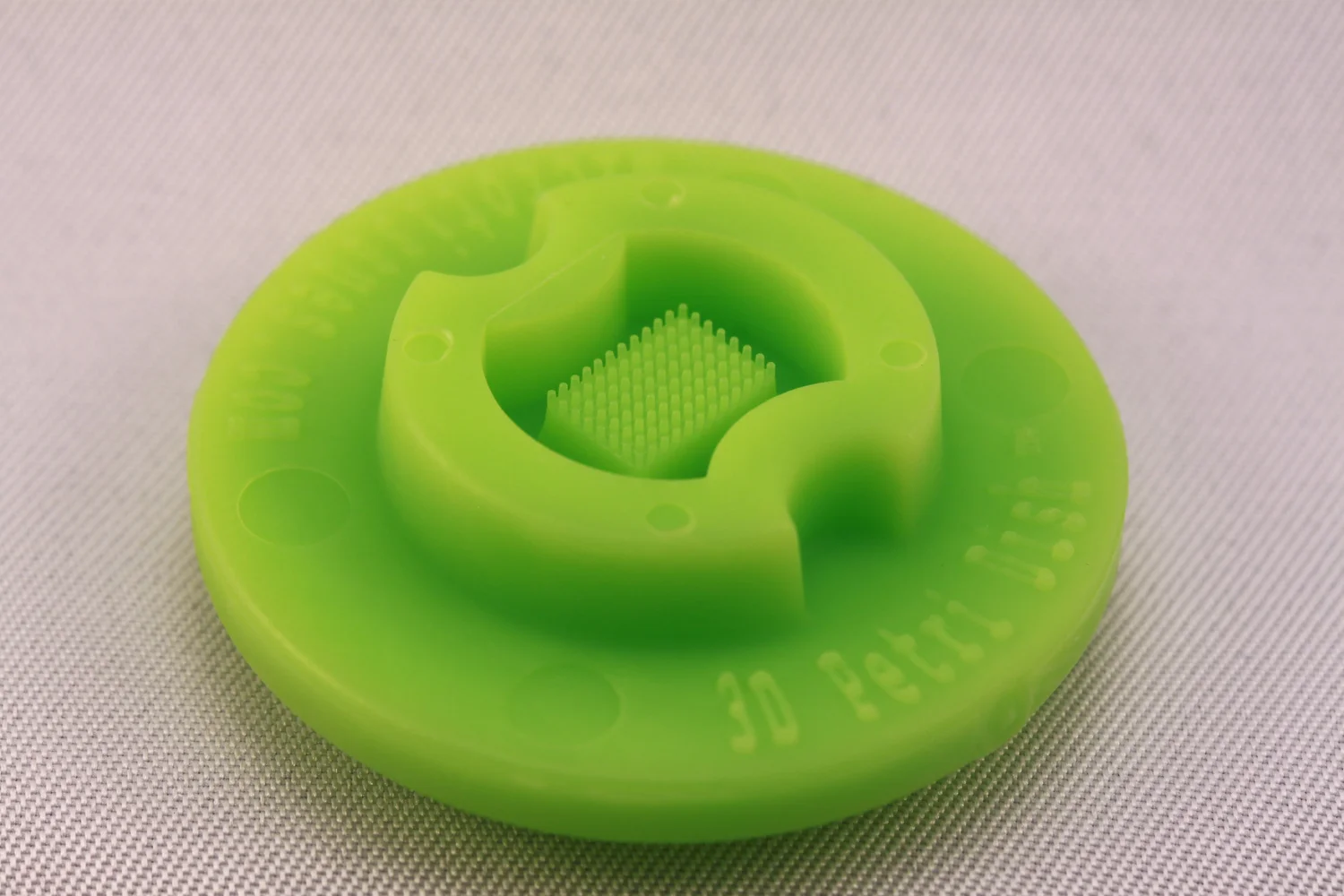
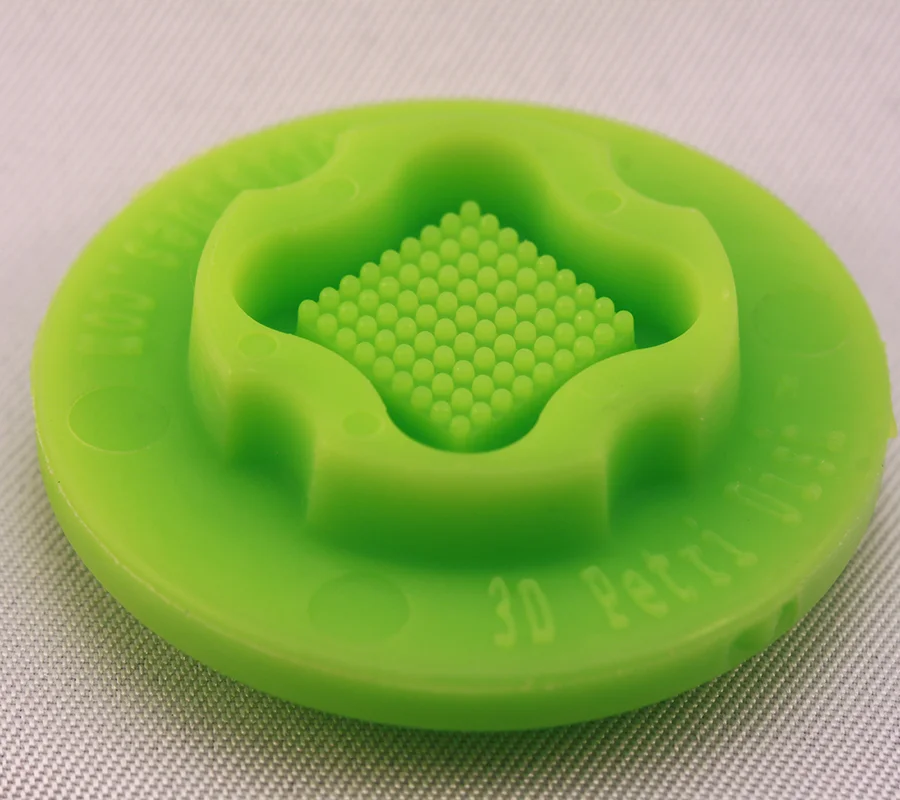
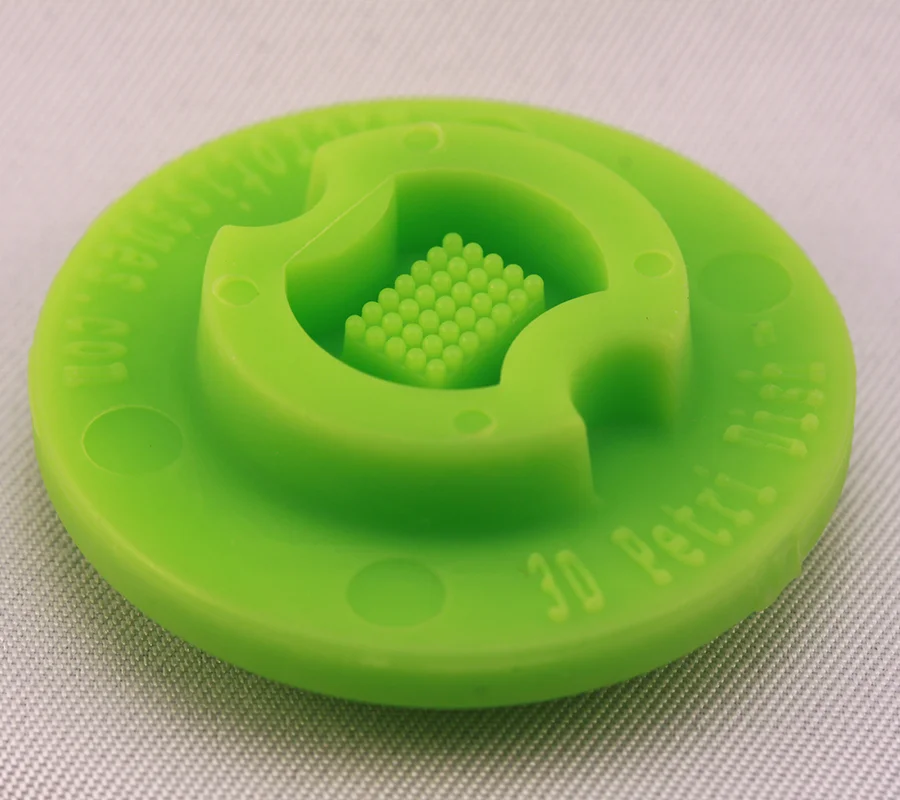
Published in Frontiers in Oncology (2023), this publication cites the 3D Petri Dish® micro-mold system rather than reporting its own experimental use of it. Full citation: Yau, Jia Ning Nicolette, et al. Three-dimensional heterotypic colorectal cancer spheroid models for evaluation of drug response
Three-dimensional heterotypic colorectal cancer spheroid models for evaluation of drug response
Research Overview
Colorectal cancer is a leading cause of death worldwide, and better preclinical models are needed to make treatment screening clinically relevant. Advances in 3D culture now recapitulate the architecture and heterogeneity of the tumor microenvironment well enough to improve predictions of progression and drug response.
This review surveys heterotypic colorectal spheroid models that incorporate cancer-associated fibroblasts, endothelial cells, immune cells, and even gut bacteria to mimic in vivo signaling. It examines how cellular heterogeneity within these spheroids exposes new therapeutic targets and enables testing of therapies aimed at the microenvironment itself rather than the tumor cell alone.
Key Discoveries
- Reviews heterotypic colorectal spheroids incorporating fibroblasts, endothelial, immune cells, and gut bacteria
- Heterogeneous 3D models improve prediction of tumor progression and drug response
- Enables identification and testing of tumor-microenvironment-targeted therapies