Summary
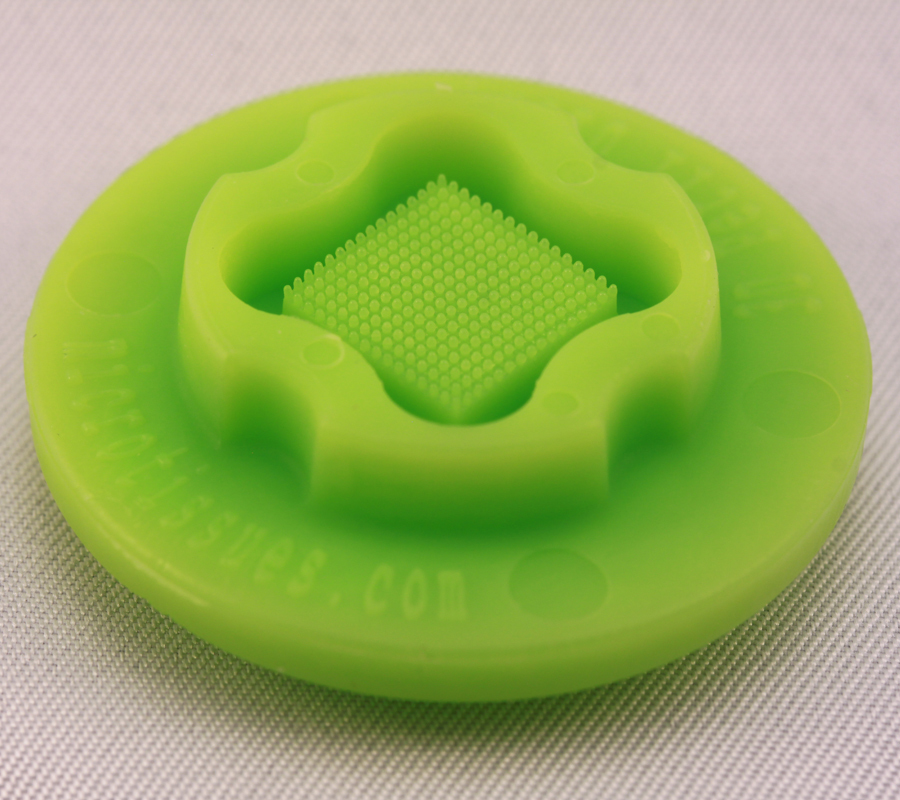
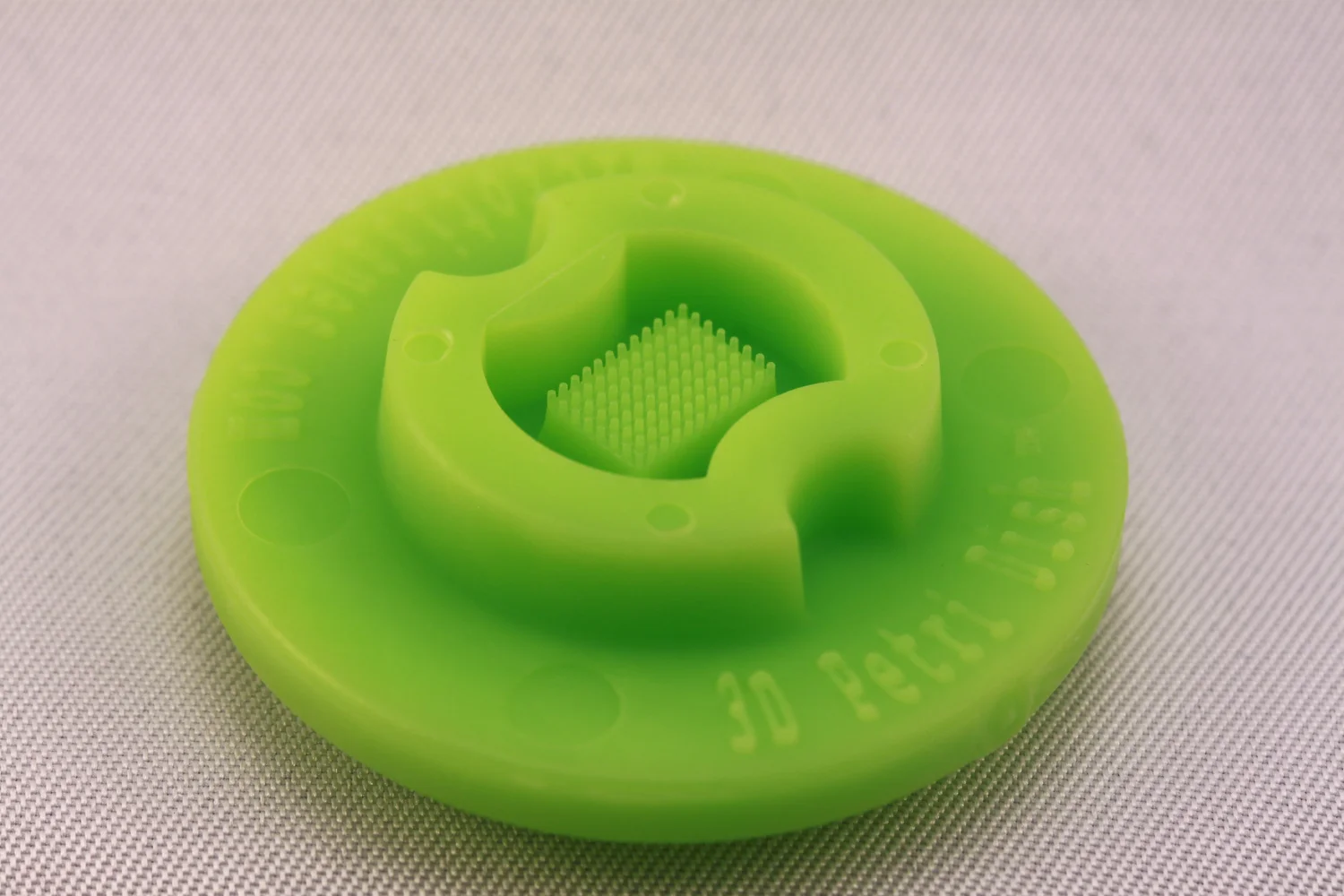
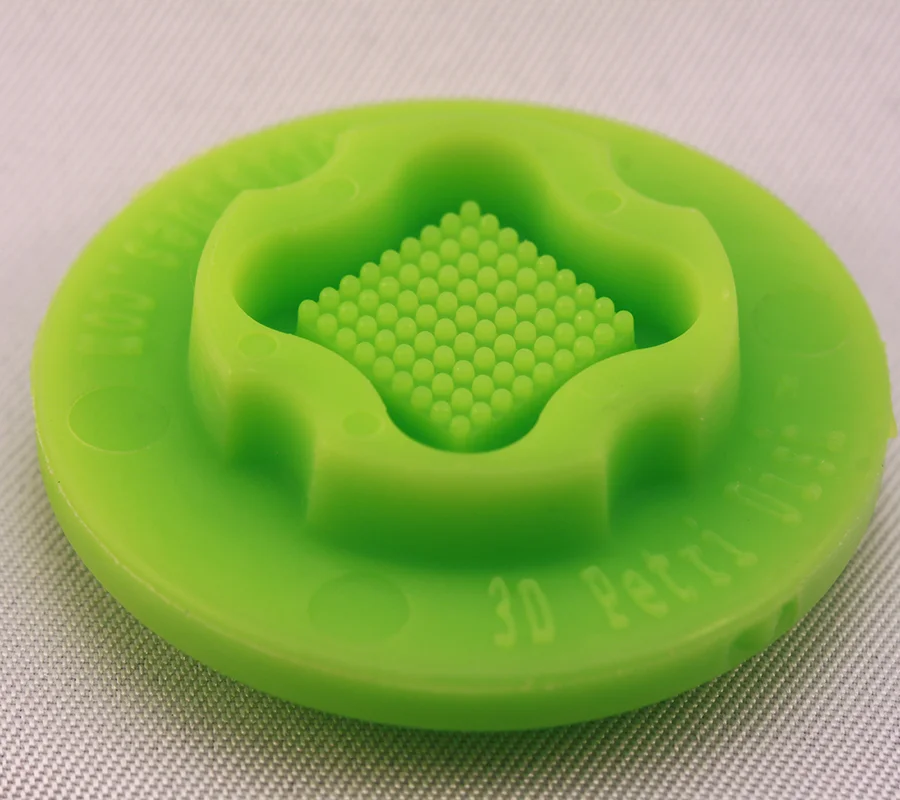
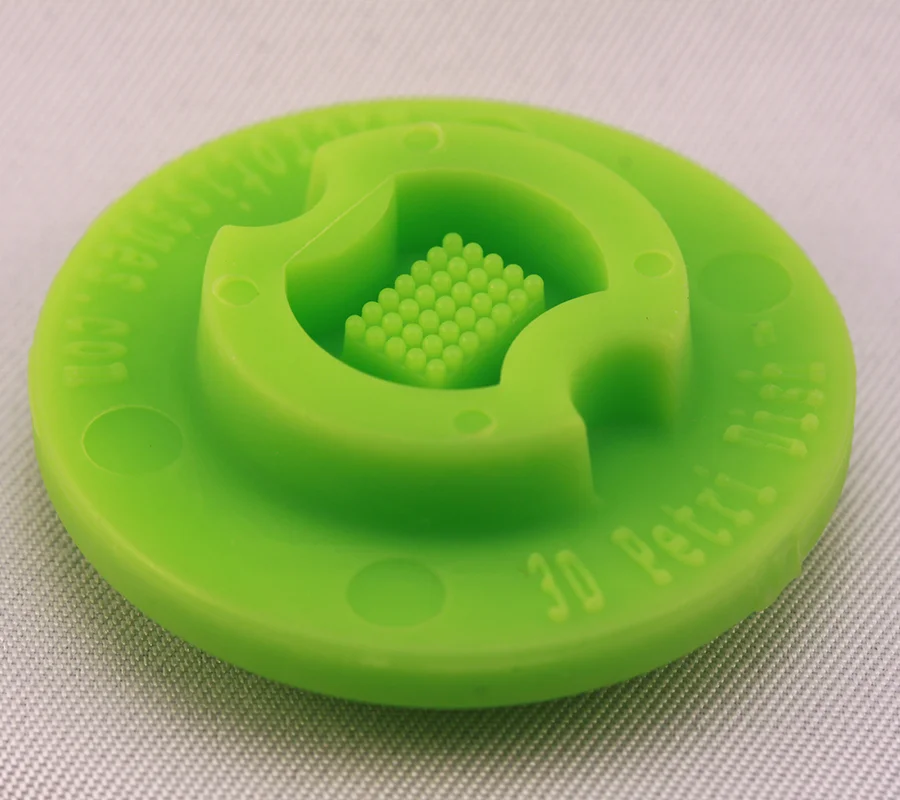
Published in Drug Delivery and Translational Research (2025), this peer-reviewed study used 3D Petri Dish® micro-molds to form scaffold-free 3D microtissues. Full citation: Ribeiro, Tiago P., et al. Thermoresponsive nanoparticles for targeted and controlled delivery of doxorubicin in triple negative breast cancer: a 2D and 3D in vitro evaluation
Thermoresponsive nanoparticles for targeted and controlled delivery of doxorubicin in triple negative breast cancer: a 2D and 3D in vitro evaluation
Research Overview
Controlled release is central to chemotherapy, and temperature-triggered release offers precise control inside a tumor while avoiding premature release and off-target toxicity. This study developed an N-isopropylacrylamide-based polymeric nanocarrier that releases doxorubicin in response to the naturally elevated temperature of solid triple-negative breast tumors, and functionalized it with folic acid to improve targeting.
The nanoparticles showed thermoresponsive behavior with a transition at 42 °C, high drug loading of 9.7%, and sustained, temperature-dependent release — 55% at 37 °C rising to 86% at 40 °C — with biosafety assessed alongside.
Key Discoveries
- NIPAAm-based nanocarrier with a 42 °C transition temperature matched to the warmer tumor environment
- Folic acid functionalization for targeting triple-negative breast cancer cells
- 9.7% doxorubicin loading; release rose from 55% at 37 °C to 86% at 40 °C