Summary
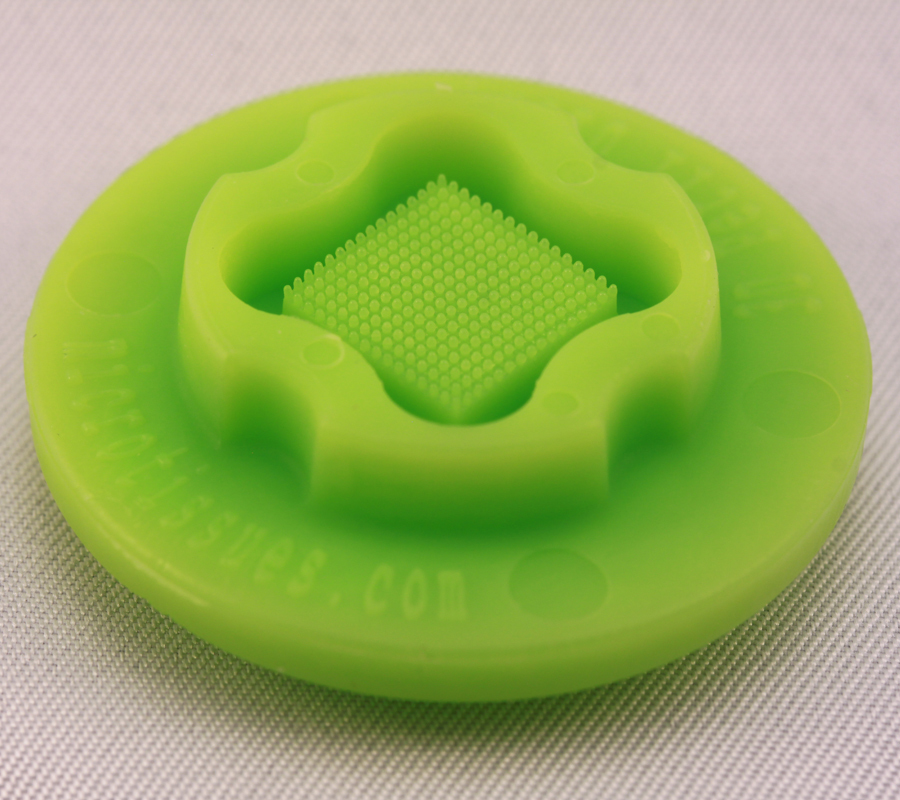
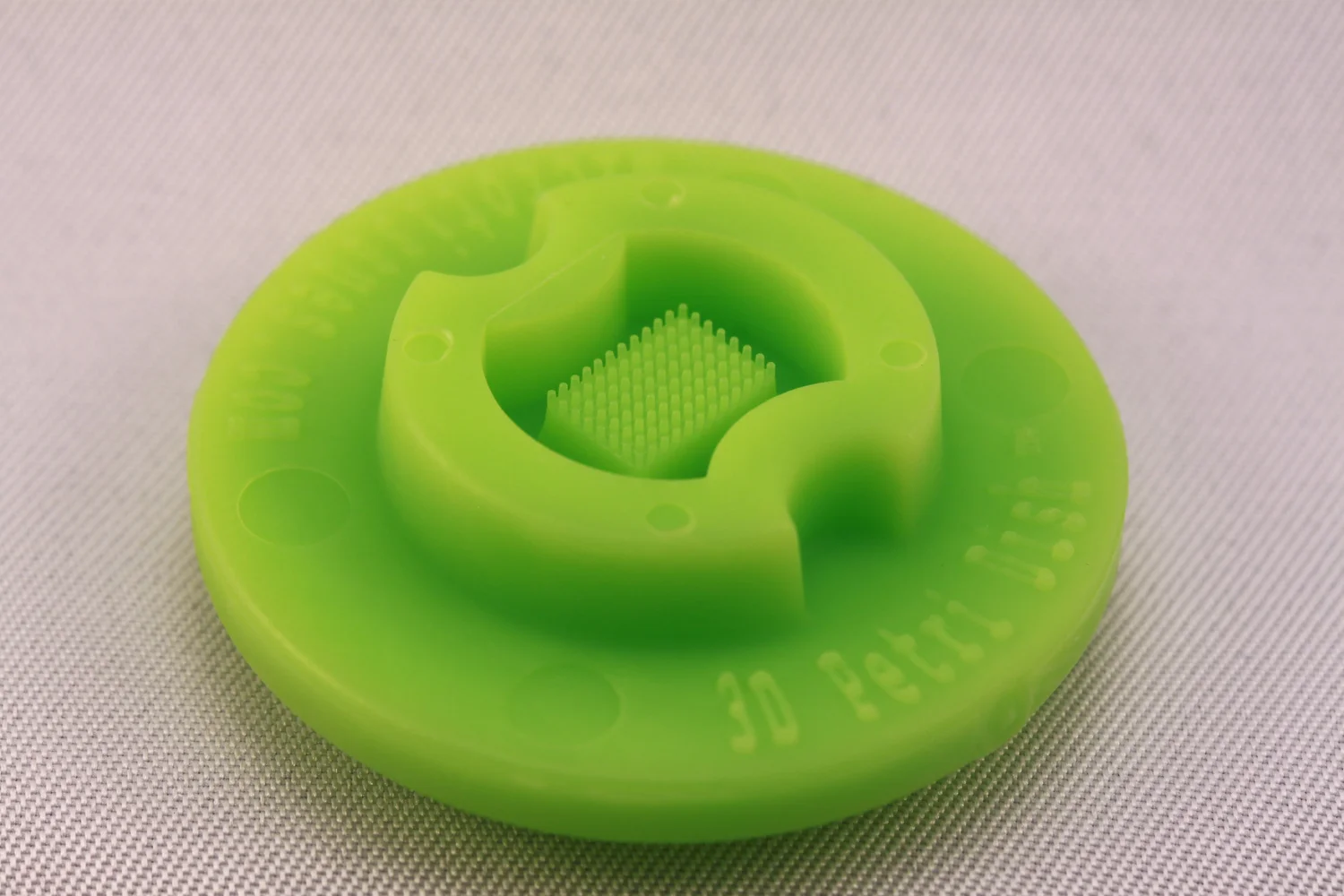
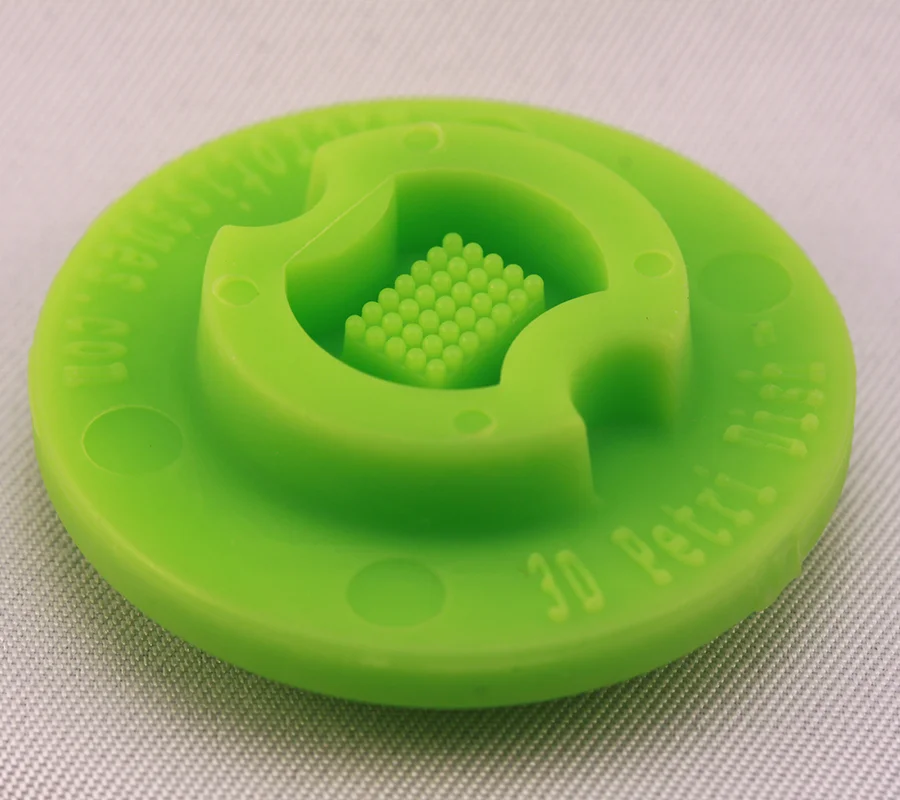
Published in Molecular Medicine (2025), this peer-reviewed study used 3D Petri Dish® micro-molds to form scaffold-free 3D microtissues. Full citation: Xiao, Dan, et al. The MYC/TXNIP axis mediates NCL-Suppressed CD8+T cell immune response in lung adenocarcinoma
The MYC/TXNIP axis mediates NCL-Suppressed CD8+T cell immune response in lung adenocarcinoma
Research Overview
Immune evasion drives lung adenocarcinoma progression, and because glucose metabolism is crucial to T cell function, the nucleolar protein NCL may influence how well CD8+ T cells fight tumors.
Using single-cell RNA sequencing from GEO and TCGA for clustering, annotation, and prognosis, the study then manipulated NCL expression in CD8+ T cells to examine immune function and glucose metabolism in vitro, with an orthotopic transplant mouse model providing in vivo confirmation — implicating the MYC/TXNIP axis in NCL-suppressed T cell activity.
Key Discoveries
- NCL identified as a suppressor of CD8+ T cell glucose metabolism in lung adenocarcinoma
- MYC/TXNIP axis implicated as the mediating mechanism
- Findings validated across single-cell datasets, in vitro manipulation, and an orthotopic mouse model