Summary
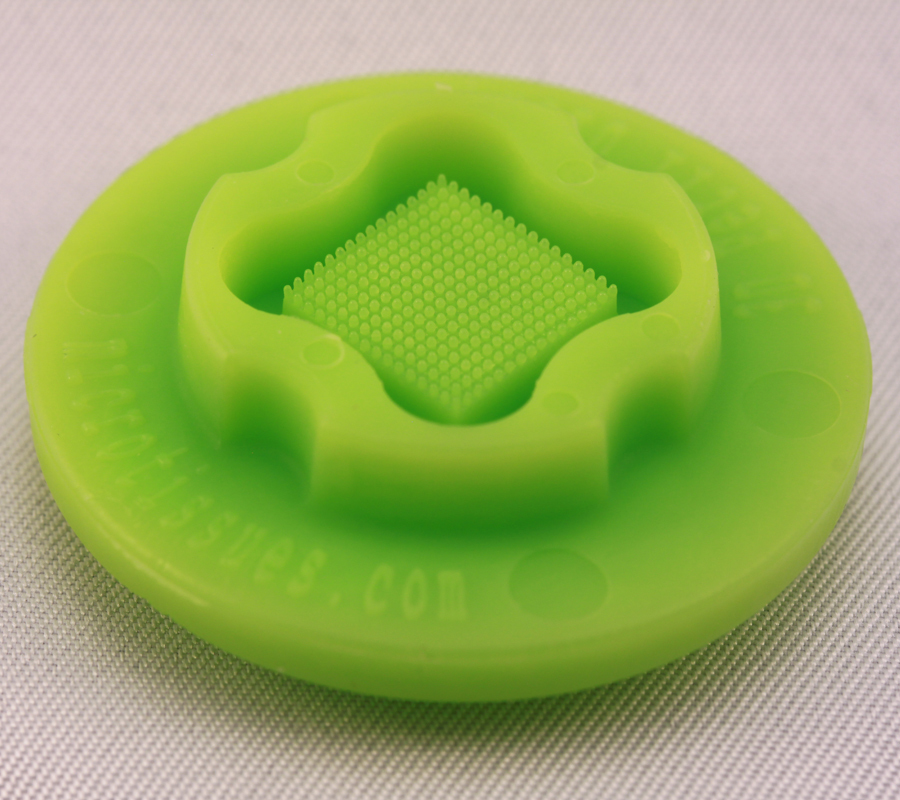
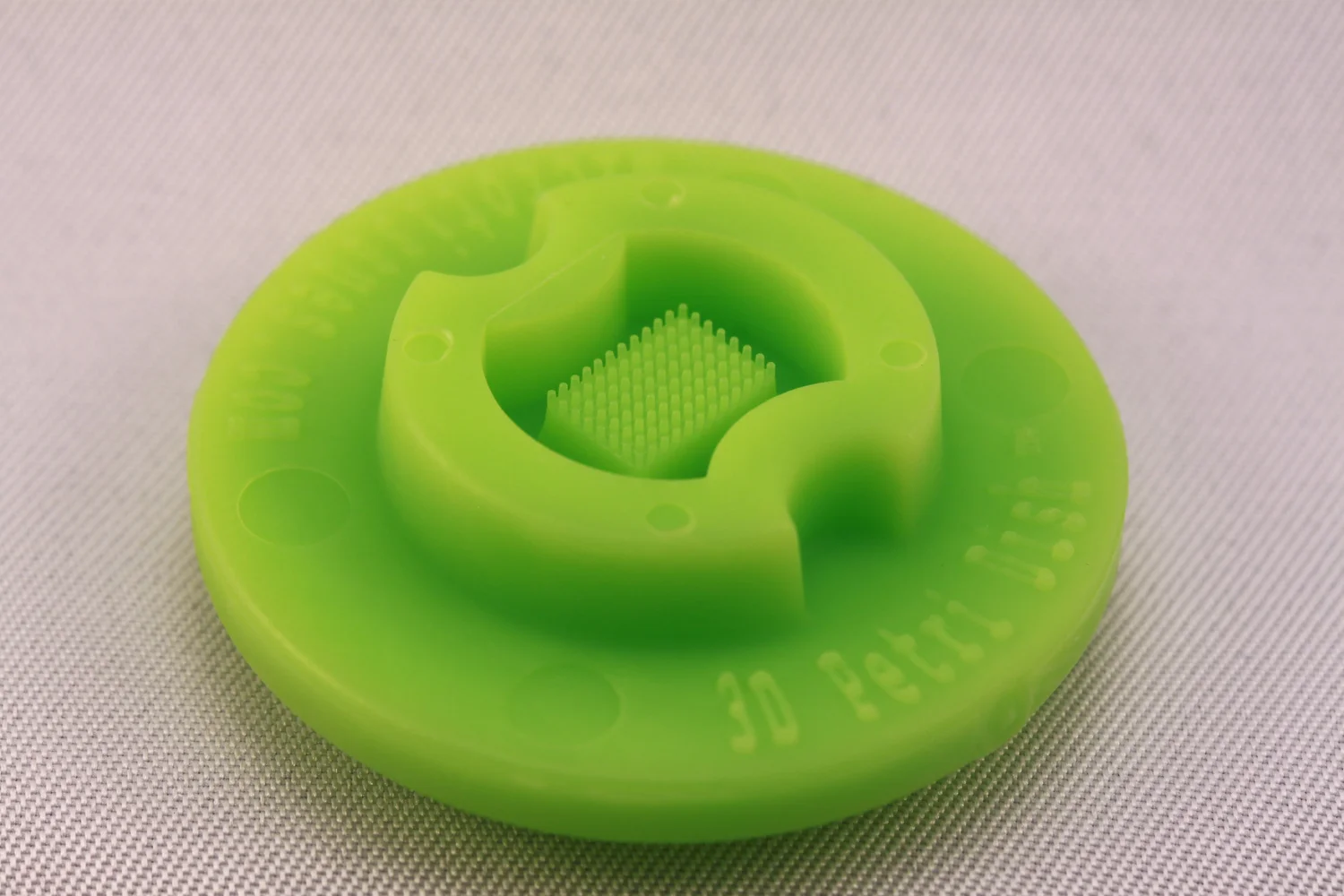
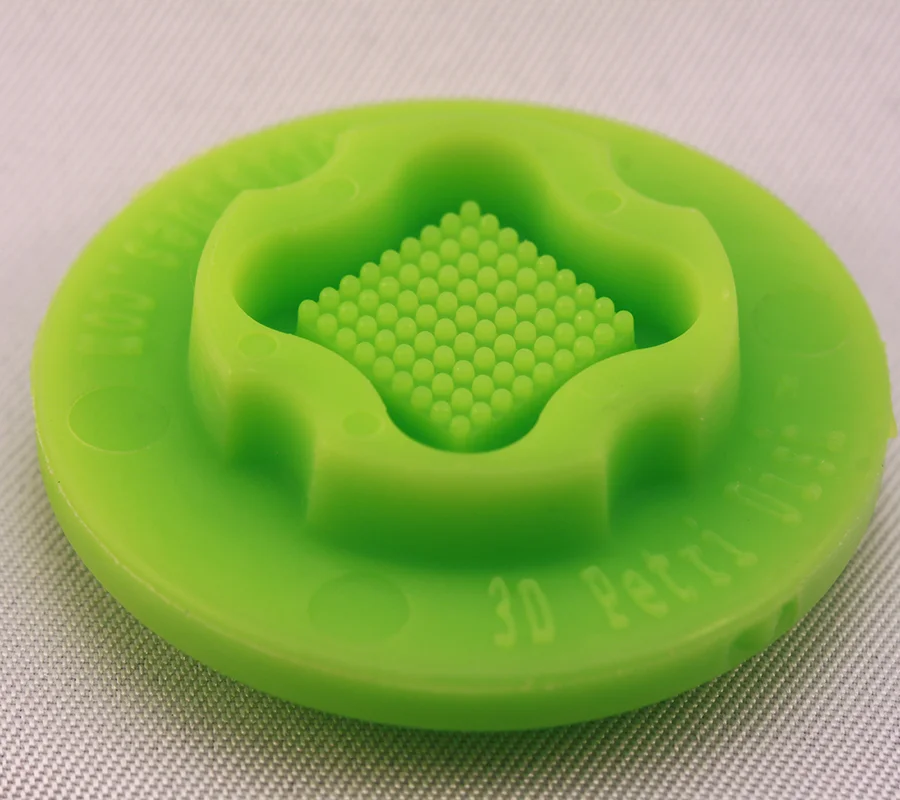
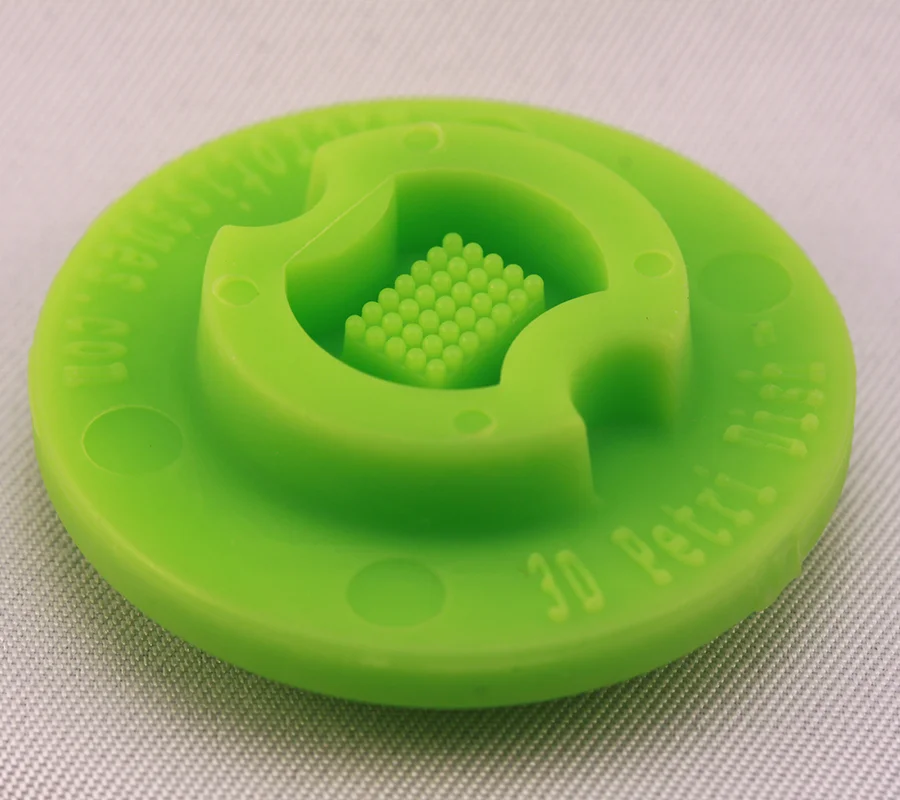
Published in Frontiers in Molecular Biosciences (2021), this peer-reviewed study used 3D Petri Dish® micro-molds to form scaffold-free 3D microtissues. Full citation: Shabalina, Evgenya Y., et al. The matrix-dependent 3D spheroid model of the migration of non-small cell lung cancer: a step towards a rapid automated screening
The matrix-dependent 3D spheroid model of the migration of non-small cell lung cancer: a step towards a rapid automated screening
Research Overview
Multicellular tumor spheroids are staples of translational oncology for studying migration and personalizing therapy, but the earliest stages of cell migration out of a spheroid — and cross-talk between neighboring spheroids — have been overlooked. This study tracked migration from A549 non-small cell lung cancer spheroids cultured on collagen gel versus plastic over time.
Migration began 4–16 hours after seeding, at a speed that depended on the substrate. Co-culturing two spheroids on collagen gel — but not on plastic — facilitated migration compared with a single spheroid, a spheroid-to-spheroid effect that should inform the design of spheroid-based functional assays for personalized therapy.
Key Discoveries
- Migration from A549 spheroids started 4-16 h after seeding, with substrate-dependent speed
- Two spheroids on collagen gel migrated more than one — an inter-spheroid cross-talk effect
- The co-culture effect did not occur on plastic, so substrate choice shapes assay outcomes