Summary
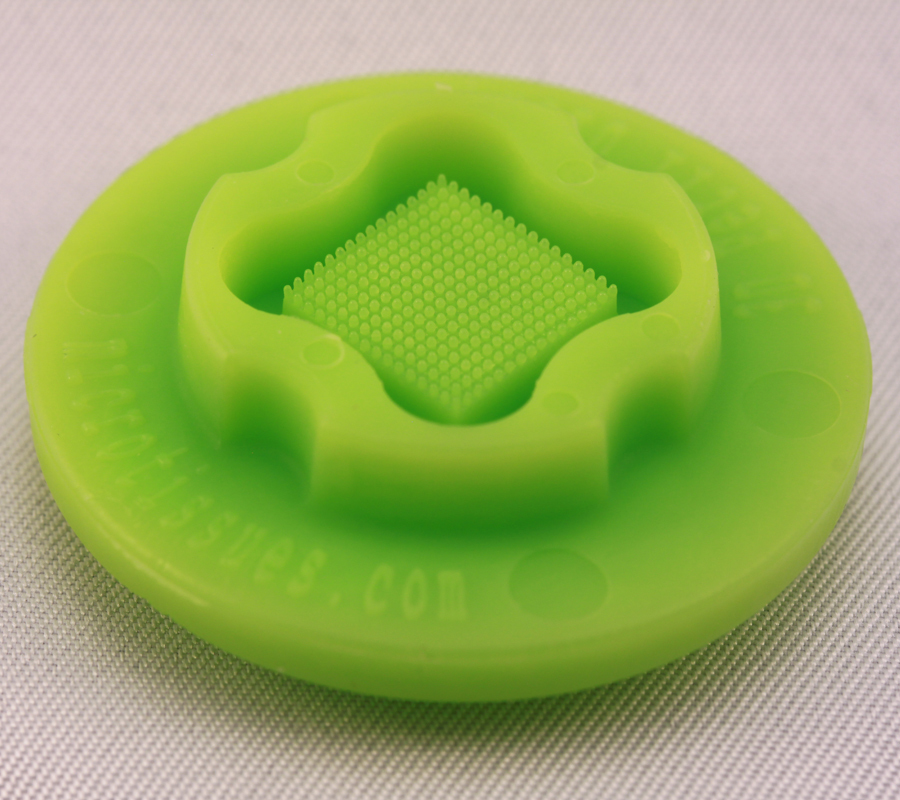
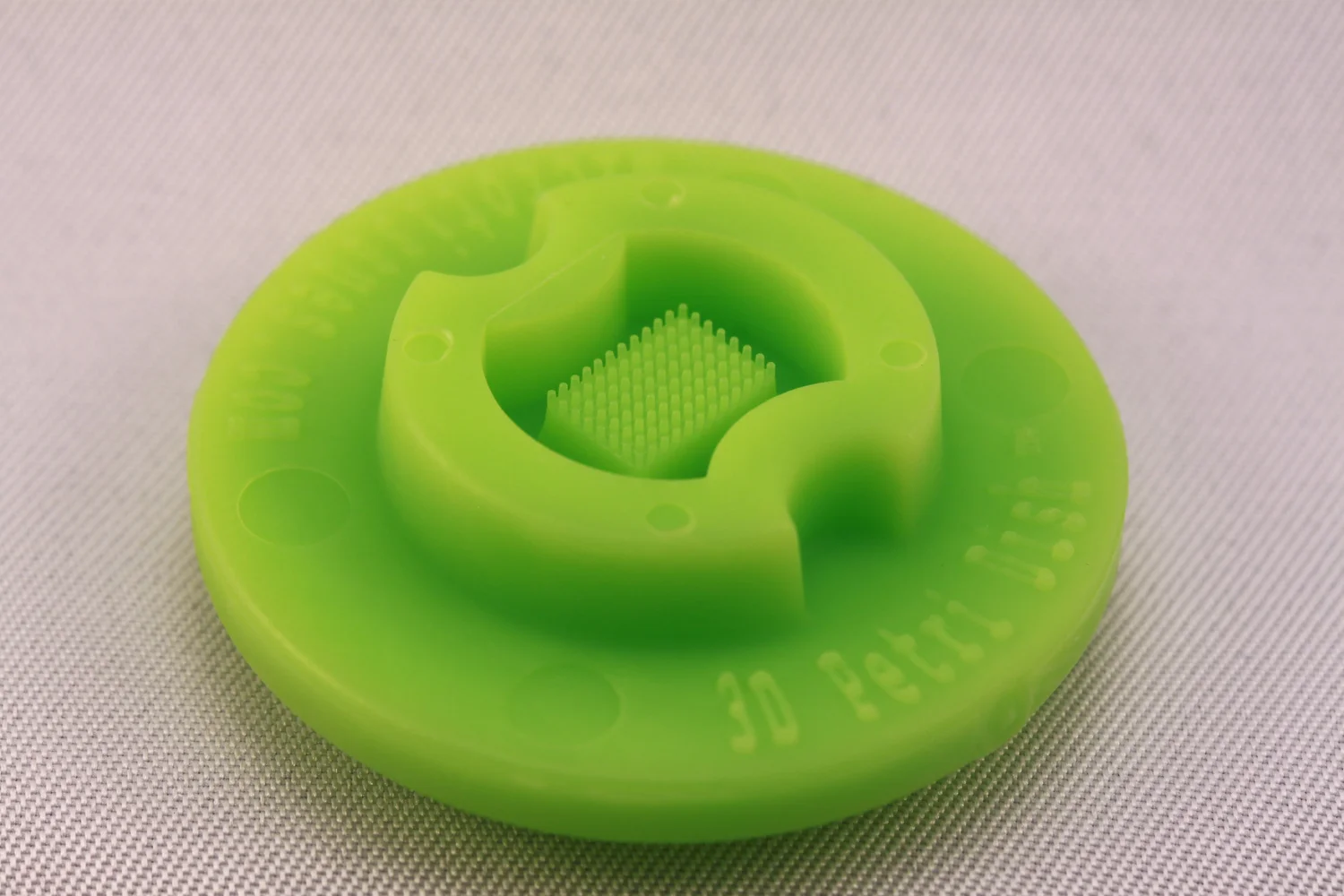
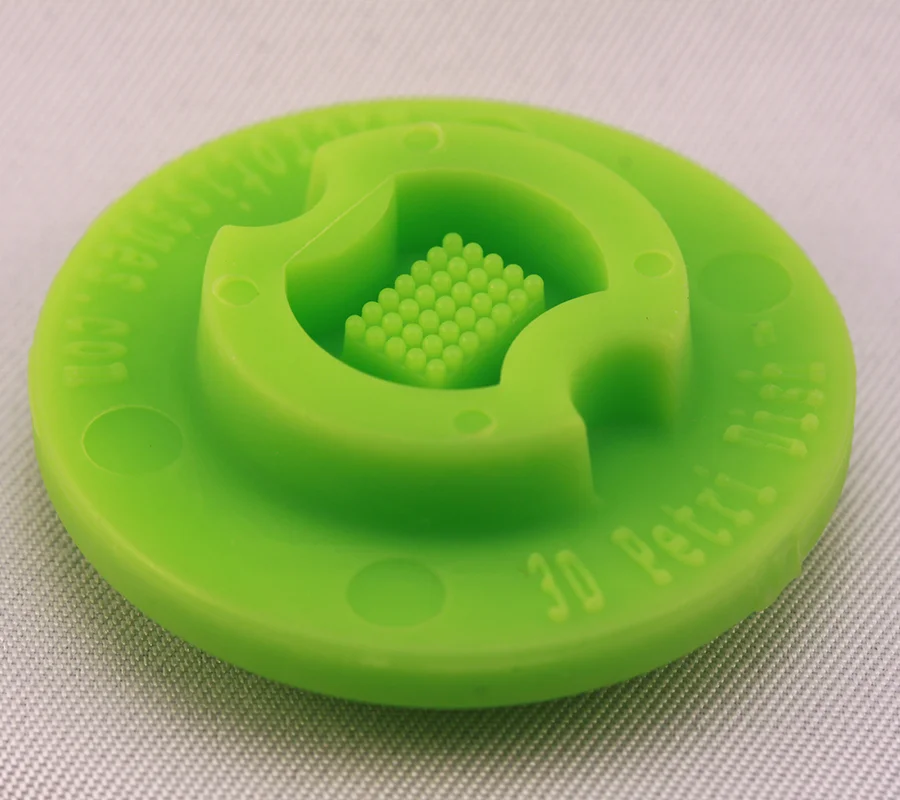
Published in a peer-reviewed journal (2025), this study utilized 3D Petri Dish® micro-molds to generate uniform microtissues for investigating 'tead inhibition alters the lung immune microenvironment and attenuates metastasis.' biorxiv (2025): 2025-02. The research demonstrates the value of standardized 3D cell culture models in advancing our understanding of this field.
TEAD inhibition alters the lung immune microenvironment and attenuates metastasis. bioRxiv (2025): 2025-02
Research Overview
Hippo pathway signaling through YAP/TAZ and the transcription factor TEAD is known to drive primary tumor progression. This study reports that novel TEAD inhibitors significantly reduce outgrowth of lung metastases from triple-negative breast cancer models — but through changes in stromal immune signaling rather than direct effects on cancer cells.
TEAD inhibition did not affect cancer cell proliferation in vitro or primary tumor growth in vivo. In tumor-free mice, treatment decreased pro-tumor inflammatory pathways in the lung while enhancing IL12 signaling and its production from lung tissue-resident macrophages — reshaping the metastatic niche before cancer cells arrive.
Key Discoveries
- TEAD inhibitors reduced lung metastatic outgrowth without affecting primary tumor growth
- Effect mediated through stromal immune signaling, not direct cancer cell inhibition
- Treatment decreased pro-tumor inflammation while enhancing IL12 from lung-resident macrophages