Summary
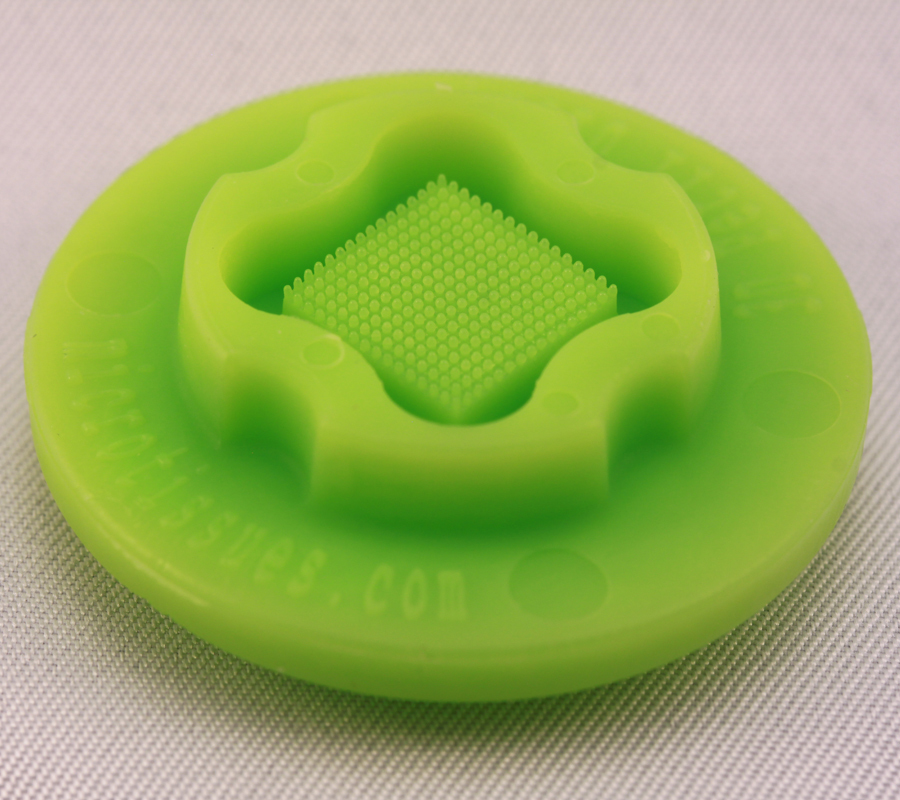
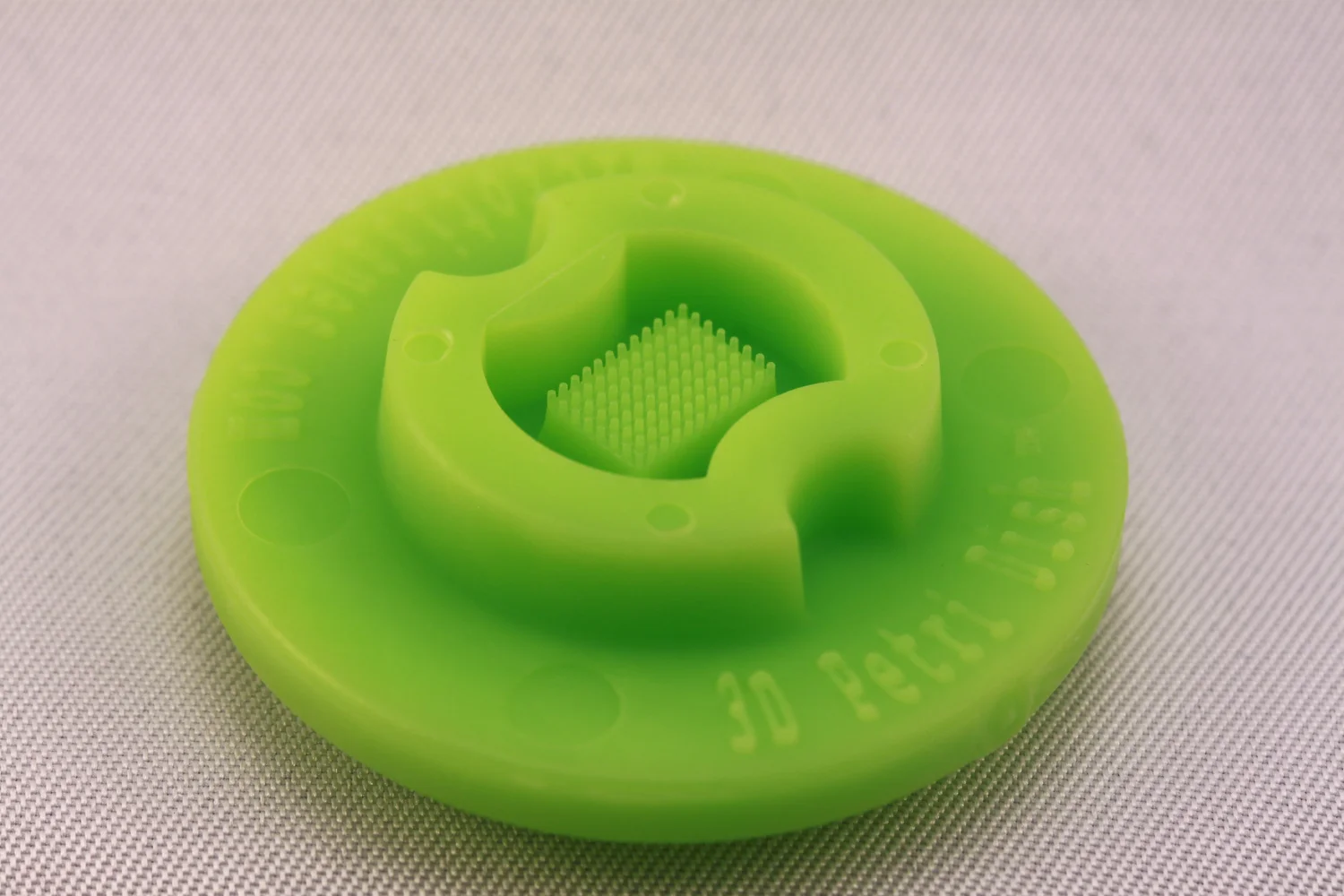
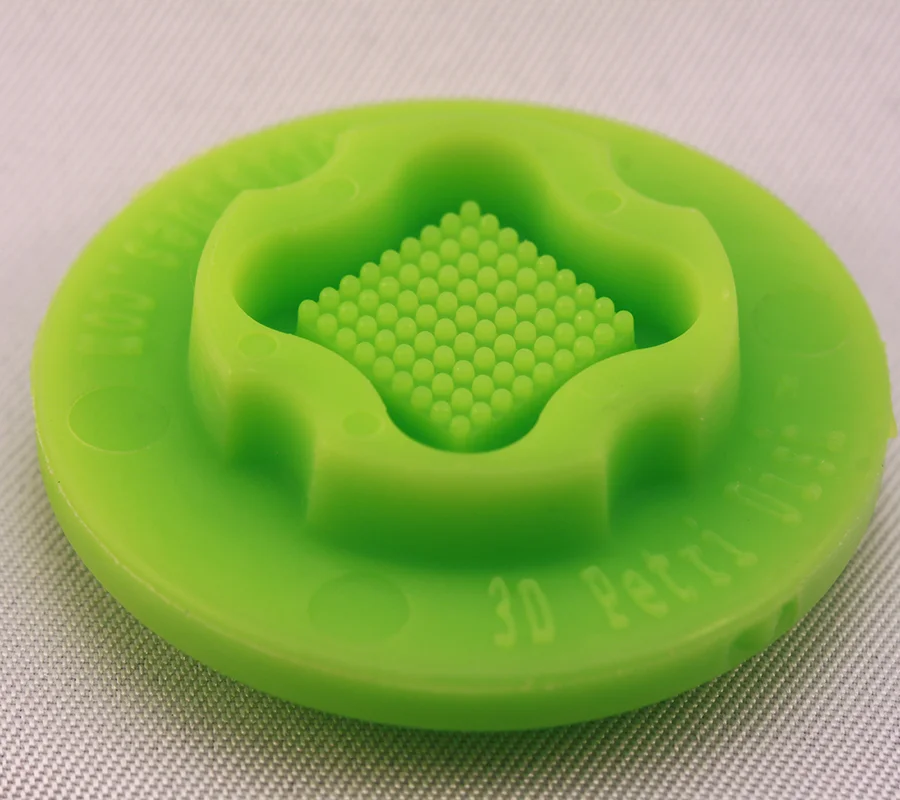
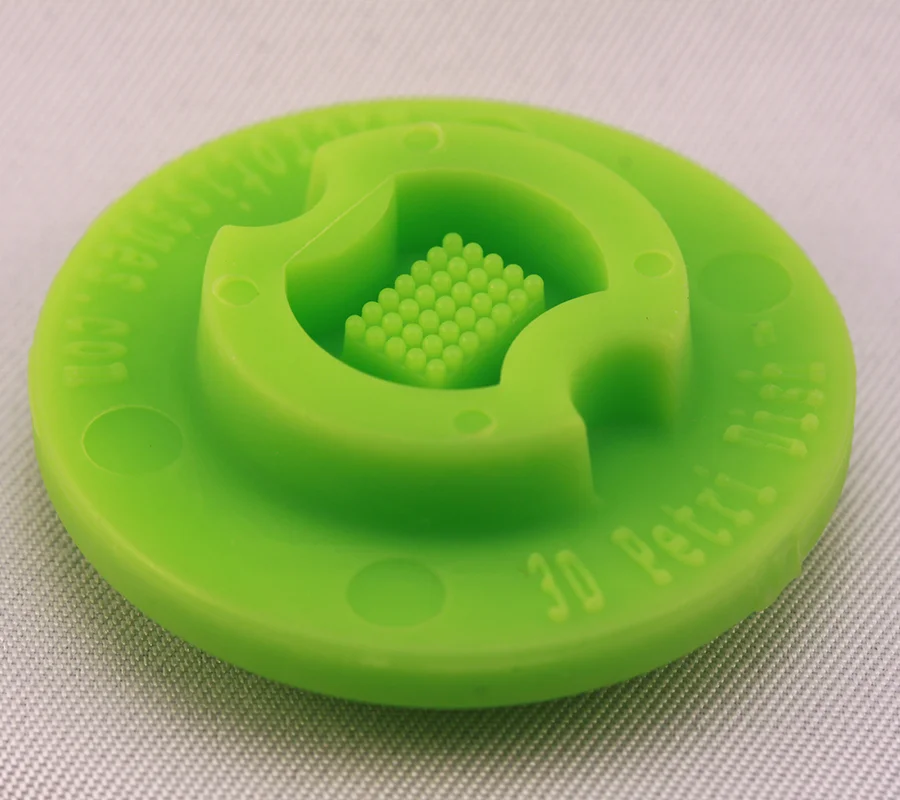
Published in Molecular Pharmaceutics (2020), this peer-reviewed study used 3D Petri Dish® micro-molds to form scaffold-free 3D microtissues. Full citation: Confeld, Matthew I., et al. Targeting the Tumor Core: Hypoxia-Responsive Nanoparticles for the Delivery of Chemotherapy to Pancreatic Tumors
Targeting the Tumor Core: Hypoxia-Responsive Nanoparticles for the Delivery of Chemotherapy to Pancreatic Tumors
Research Overview
In pancreatic ductal adenocarcinoma, early hypoxia triggers extracellular matrix remodeling, epithelial-to-mesenchymal transition, cancer stem cell formation, and drug resistance, and it is associated with the dense collagen-rich stroma (desmoplasia) that severely impairs drug penetration.
To overcome these barriers, the authors built polymer nanoparticles (polymersomes) that target and penetrate pancreatic tumors, reach hypoxic niches, rapidly destabilize, and release their encapsulated drugs. In vitro, the polymersomes were taken up efficiently and made the drugs more cytotoxic under hypoxia than the free drugs. In vivo, they decreased tumor growth by nearly 250% and significantly increased tumor necrosis.
Key Discoveries
- Hypoxia-responsive polymersomes destabilize and release drugs in the hypoxic tumor core
- High cellular uptake and increased drug cytotoxicity under hypoxia versus unencapsulated drugs
- Tumor growth reduced by nearly 250% with significantly increased necrosis