Summary
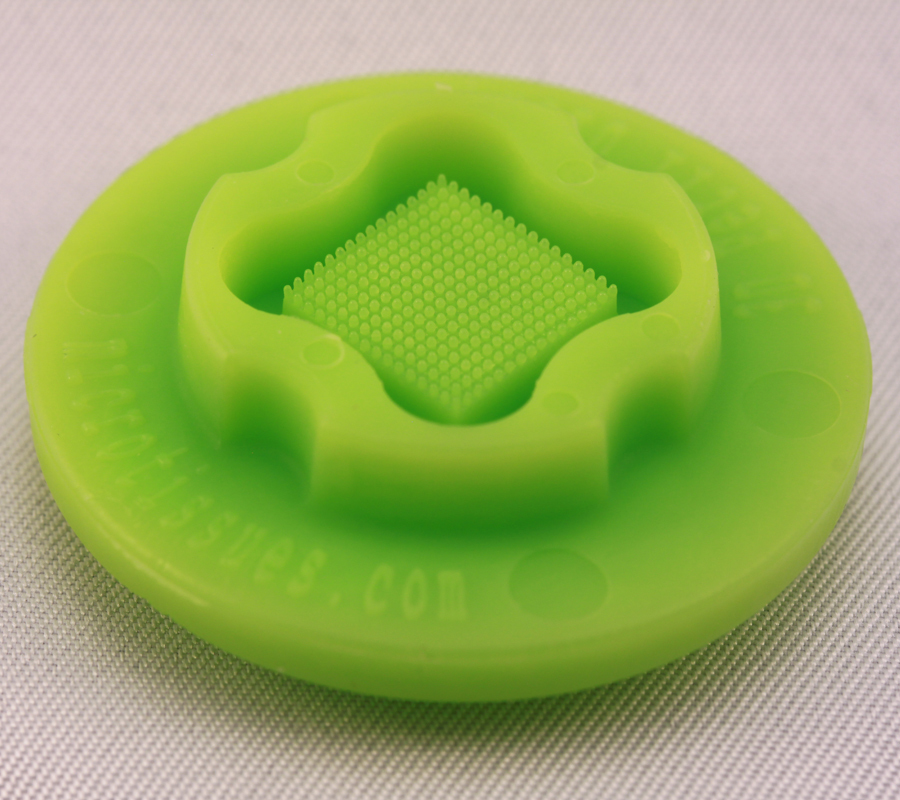
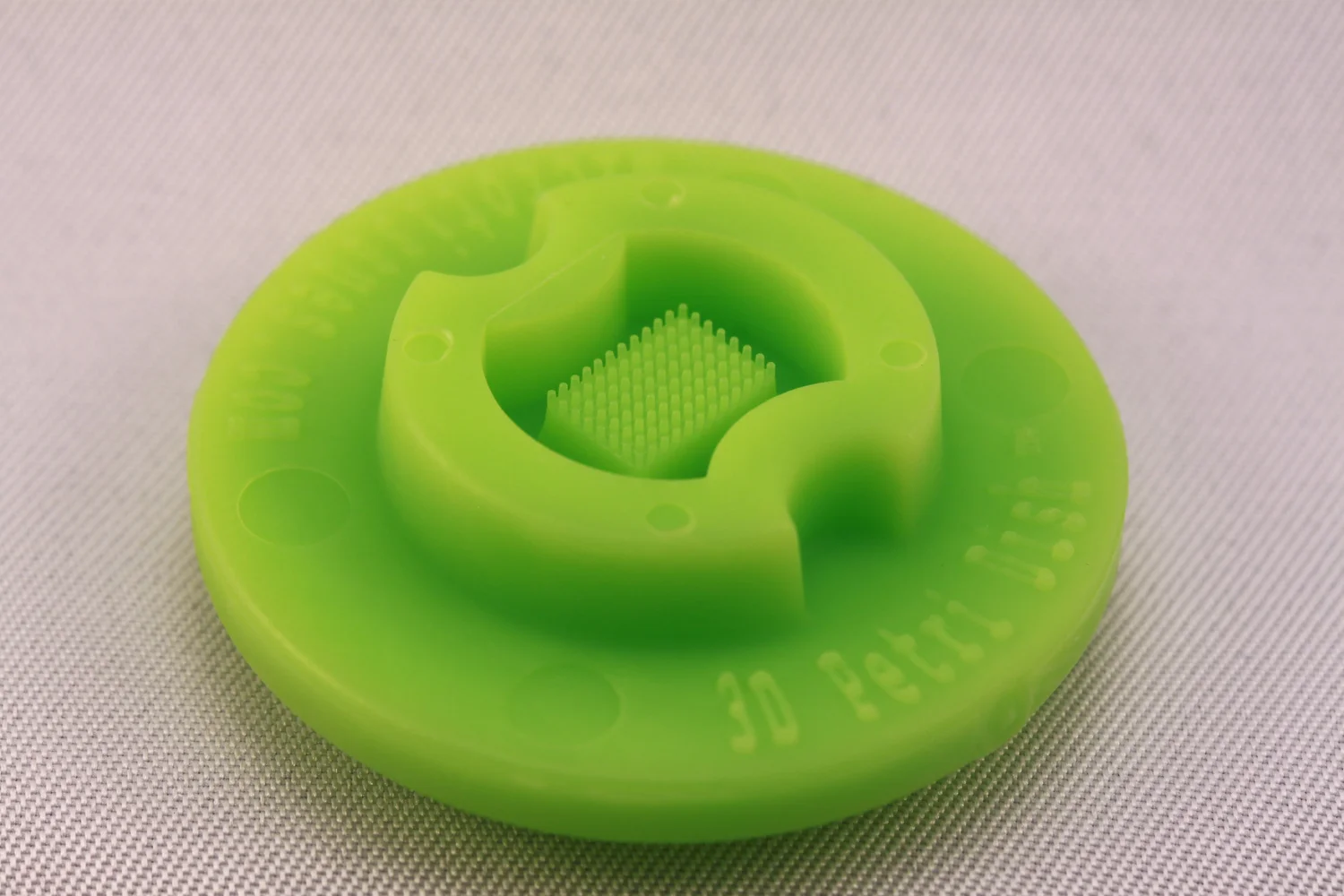
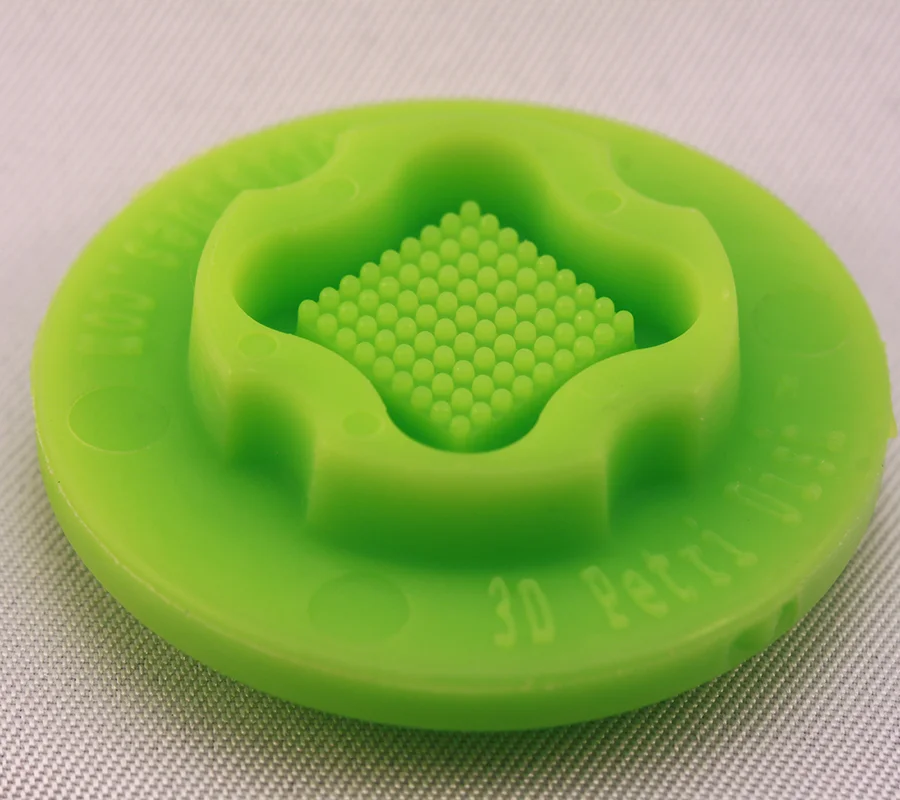
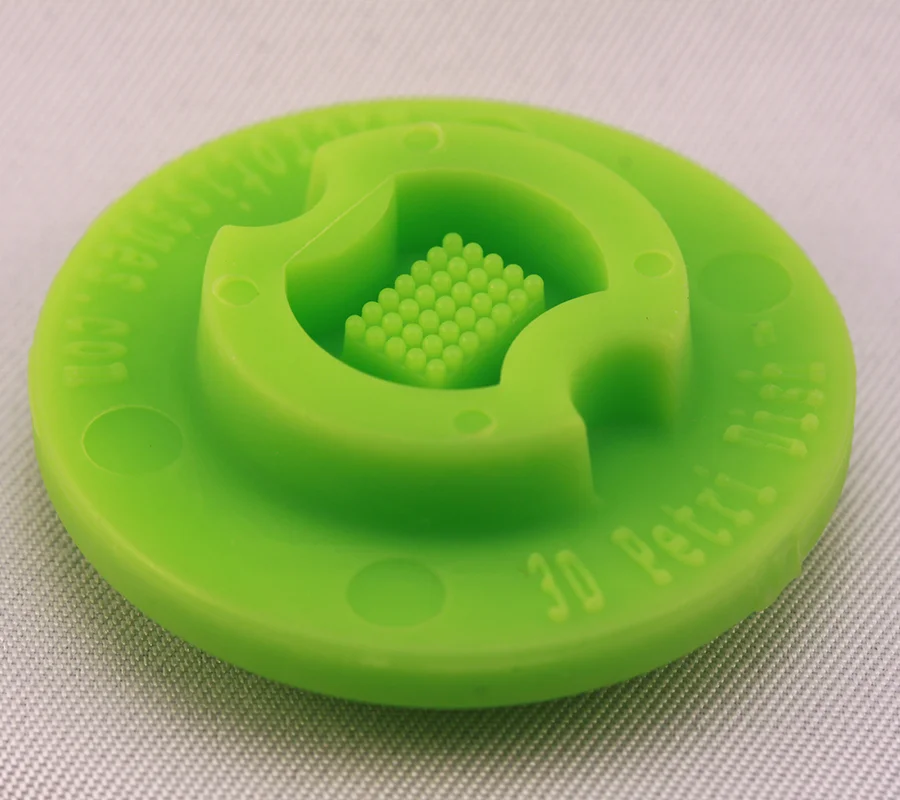
Published in Apoptosis (2025), this peer-reviewed study used 3D Petri Dish® micro-molds to form scaffold-free 3D microtissues. Full citation: Yan, Wei, et al. Targeted editing of CCL5 with CRISPR-Cas9 nanoparticles enhances breast cancer immunotherapy
Targeted editing of CCL5 with CRISPR-Cas9 nanoparticles enhances breast cancer immunotherapy
Research Overview
Breast cancer immunotherapy is often blunted by an immunosuppressive tumor microenvironment. This study combined CRISPR-Cas9 with FCPCV nanoparticles to edit the CCL5 chemokine gene and improve immunotherapy response.
Single-cell RNA sequencing plus TCGA breast cancer data identified CCL5 as a key immune-related gene. sgRNA targeting CCL5 was designed and delivered to breast cancer cells and humanized mouse models via the nanoparticles, with in vitro experiments — including 3D culture — assessing the effect of the edit on the tumor immune environment.
Key Discoveries
- CCL5 identified as a key immune-related gene via single-cell sequencing and TCGA-BRCA data
- CRISPR-Cas9 sgRNA delivered by FCPCV nanoparticles to cells and humanized mouse models
- Targets the immunosuppressive microenvironment limiting breast cancer immunotherapy