Summary
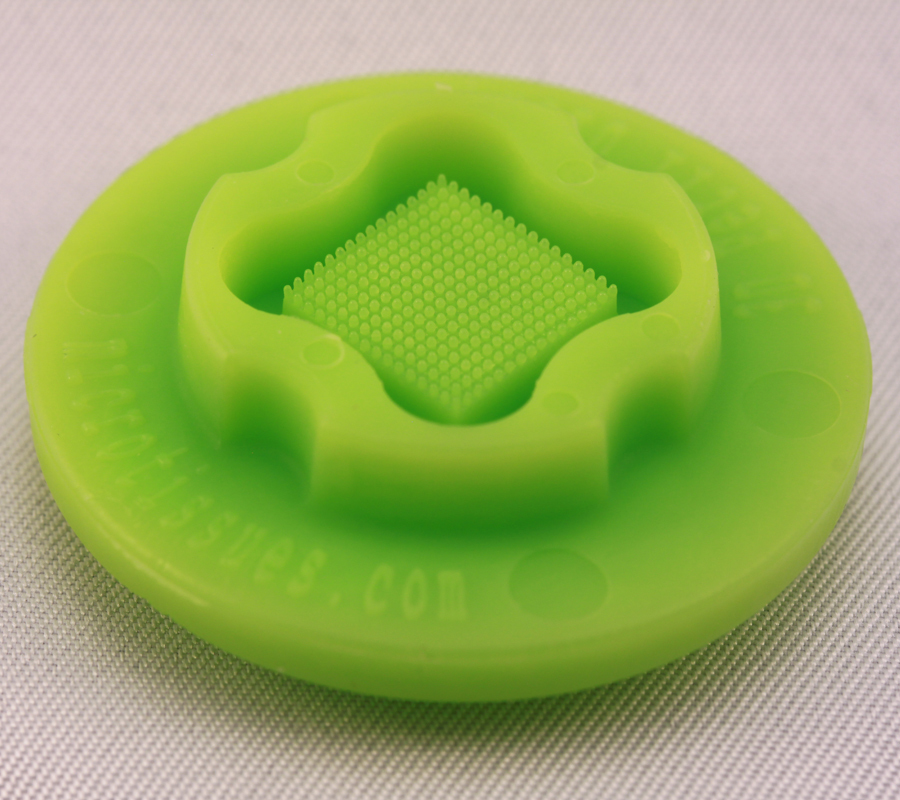
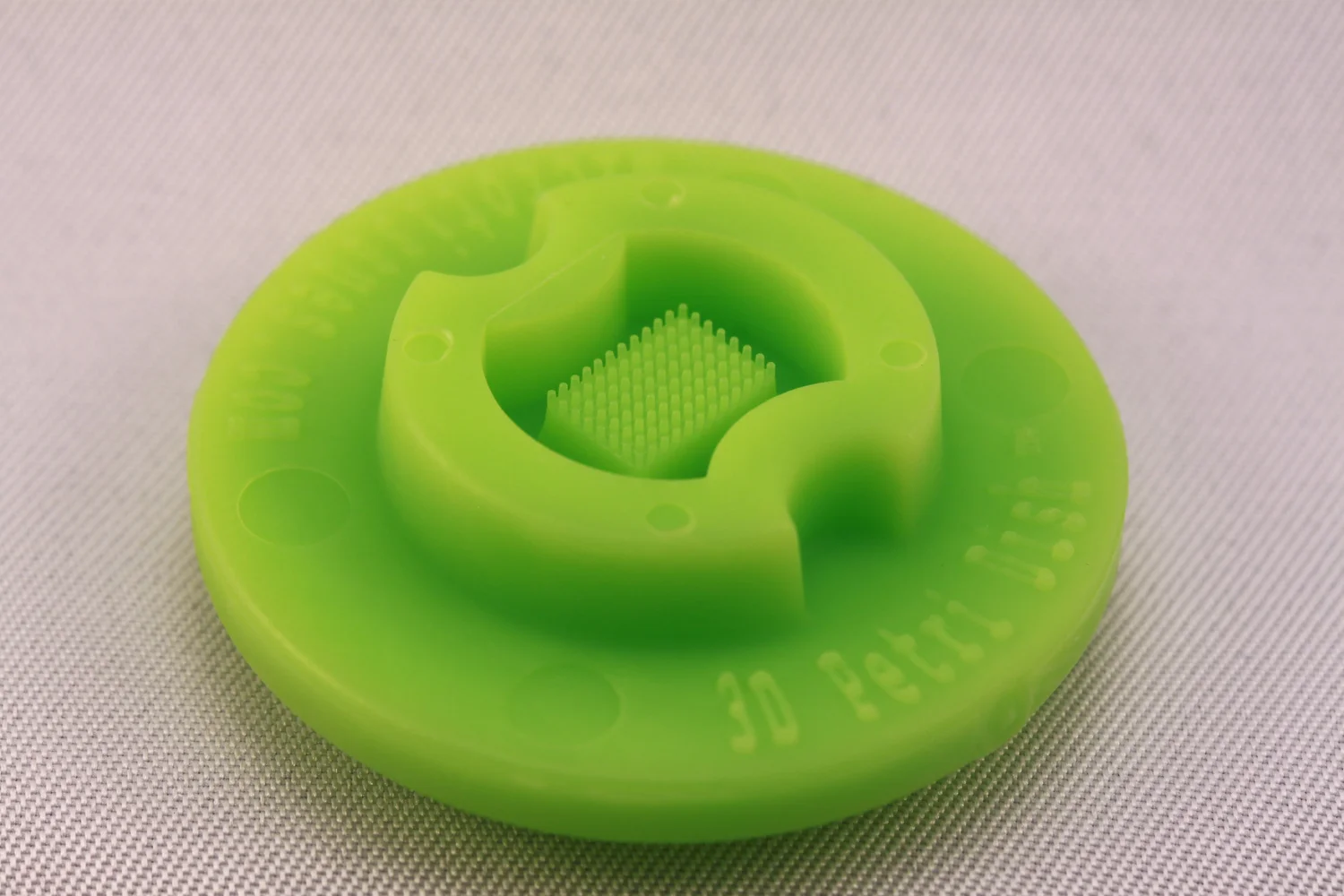
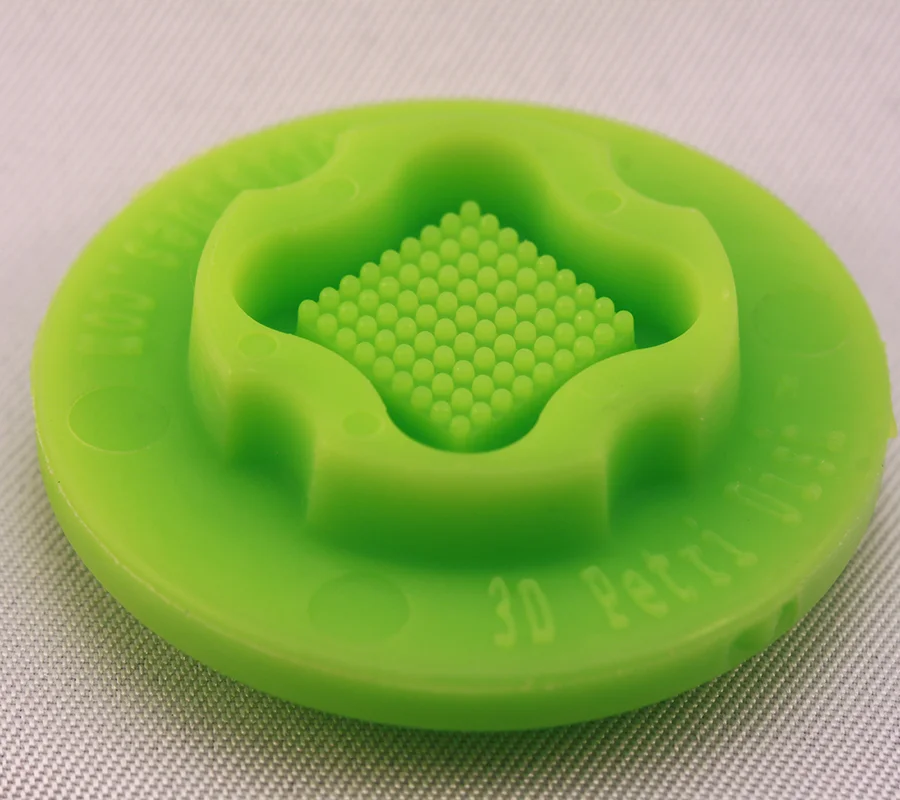
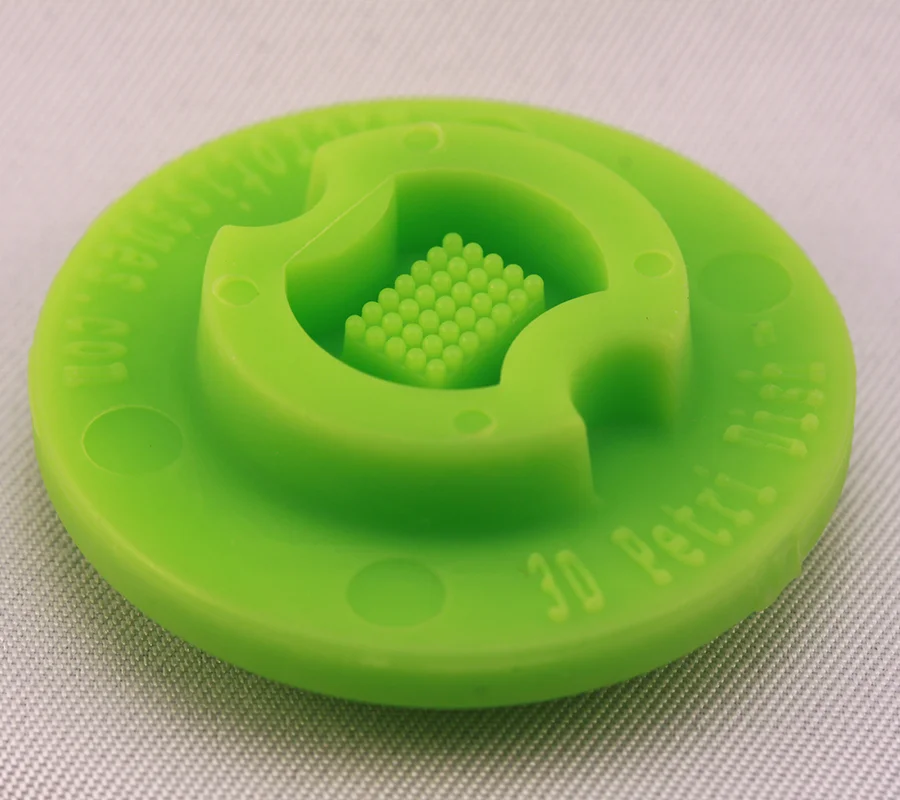
Published in Scientific Reports (2026), this peer-reviewed study used 3D Petri Dish® micro-molds to form scaffold-free 3D microtissues. Full citation: Maciejewska, Natalia, et al. Synthesis and anticancer evaluation of novel thioimidazole derivatives bearing a trimethoxyphenyl moiety
Synthesis and anticancer evaluation of novel thioimidazole derivatives bearing a trimethoxyphenyl moiety
Research Overview
Nitrogen heterocycles remain central to drug discovery, and imidazole is among the most versatile; substituting sulfur gives thioimidazoles with altered electronics and pharmacokinetics. The 3,4,5-trimethoxyphenyl group, meanwhile, is a privileged oncology pharmacophore that anchors ligands in protein binding pockets. This study combined the two motifs into a series of thioimidazole–TMP conjugates.
Tested across human cancer cell models of distinct tissue origins alongside non-malignant lung fibroblasts, compound 13b emerged as the lead: sub-micromolar potency in the most sensitive cancer cells with no activity against fibroblasts, for a selectivity index above 20.
Key Discoveries
- Thioimidazole scaffold fused with the 3,4,5-trimethoxyphenyl oncology pharmacophore
- Lead compound 13b reached sub-micromolar potency in sensitive cancer lines
- Inactive against non-malignant fibroblasts — selectivity index above 20