Summary
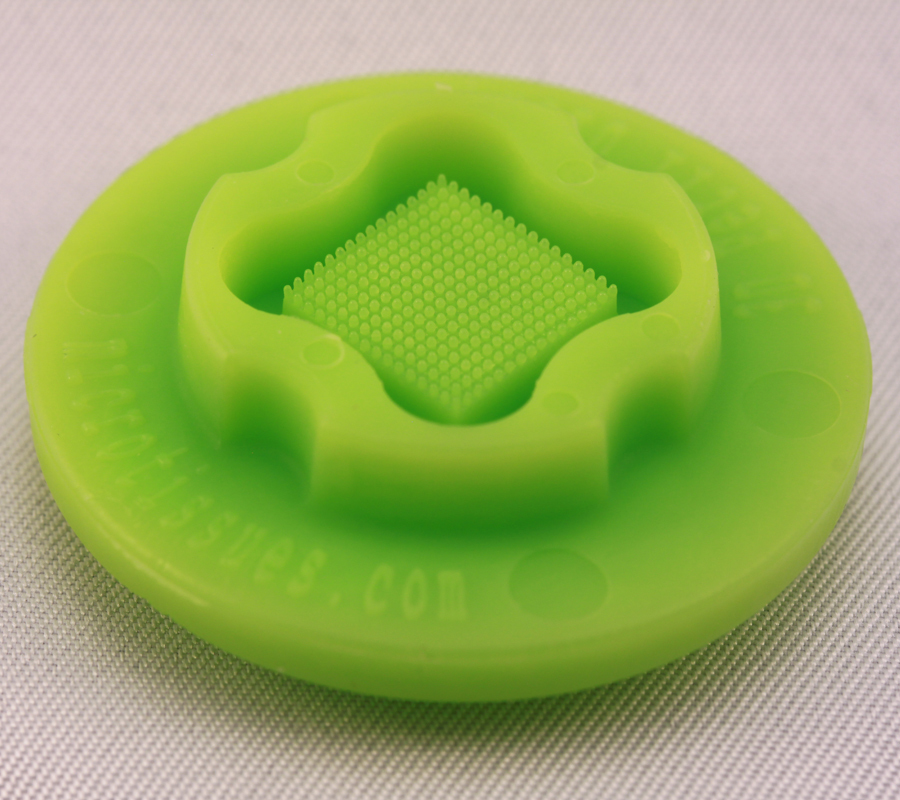
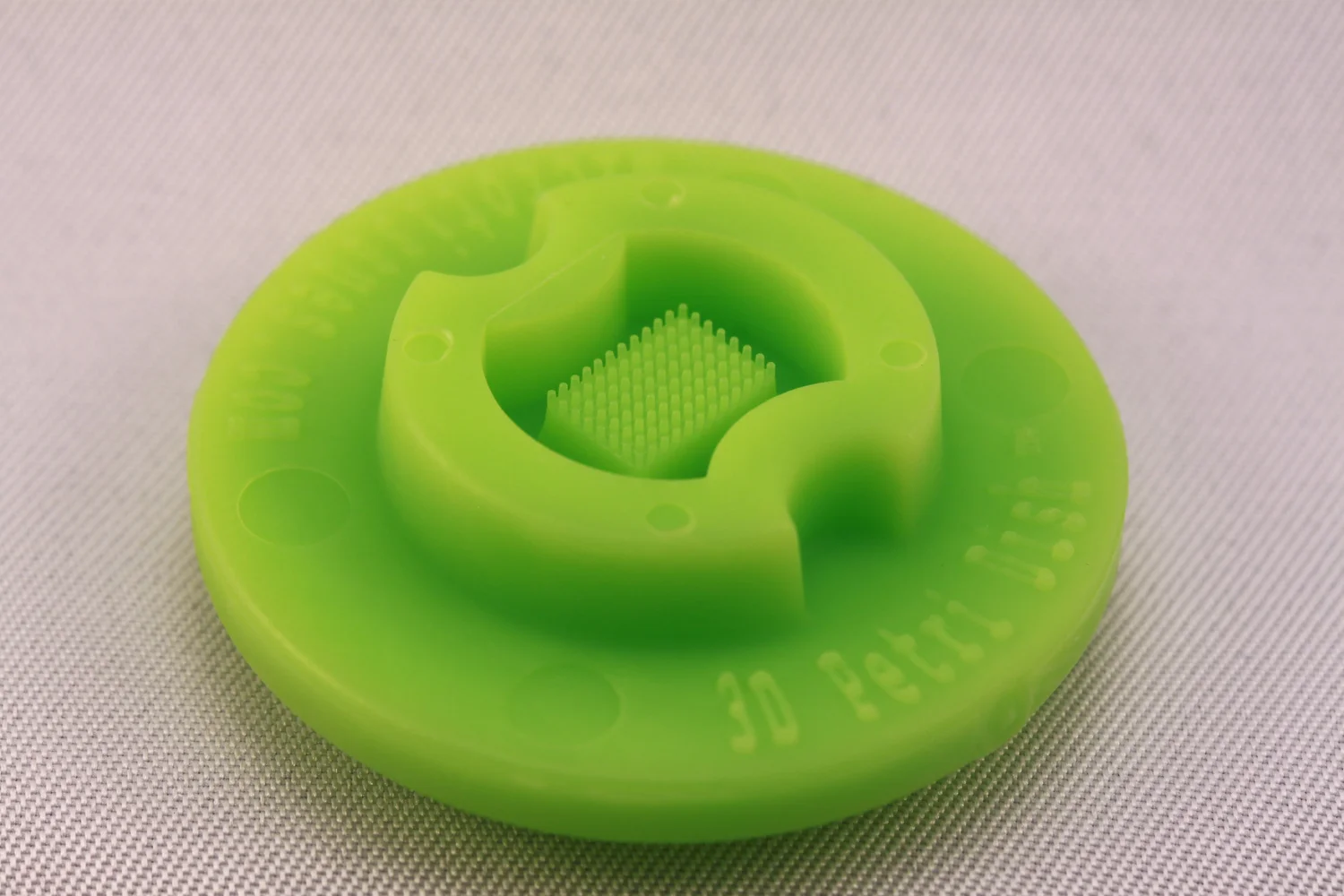
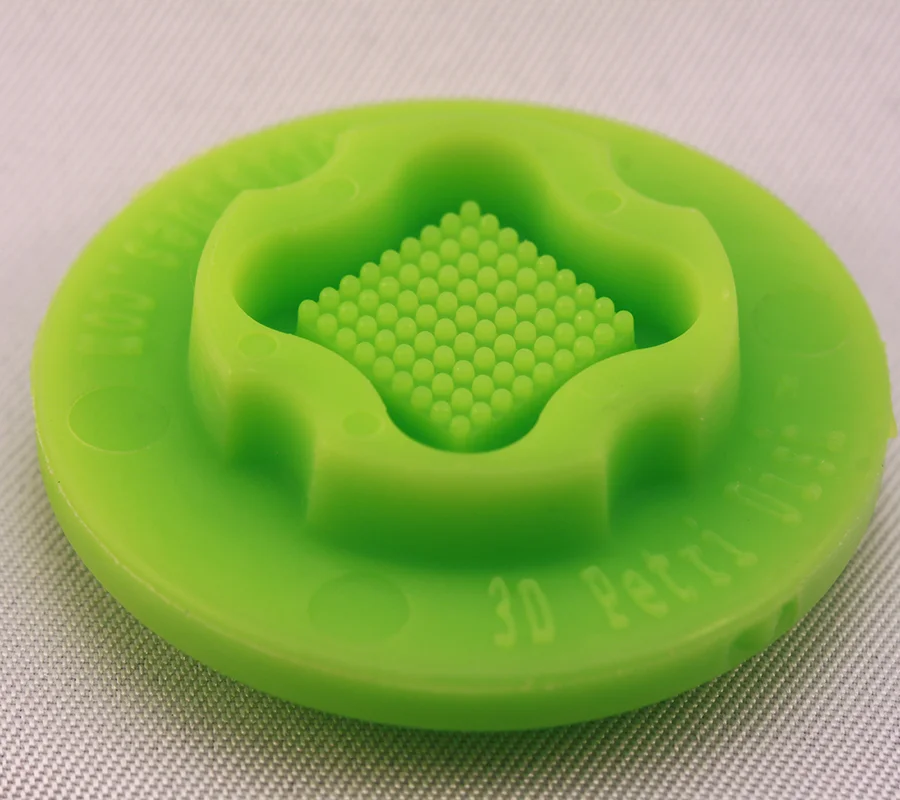
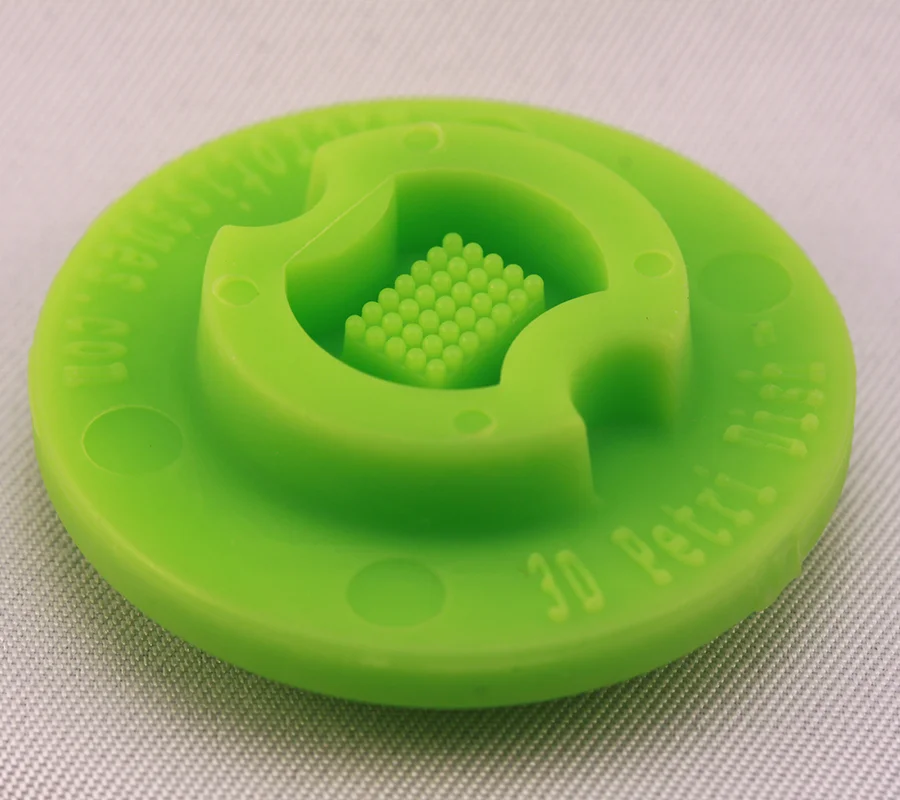
Published in Cancers (2020), this peer-reviewed study used 3D Petri Dish® micro-molds to form scaffold-free 3D microtissues. Full citation: Gandalovičová, Aneta, et al. Sustained Inflammatory Signalling through Stat1/Stat2/IRF9 Is Associated with Amoeboid Phenotype of Melanoma Cells
Sustained Inflammatory Signalling through Stat1/Stat2/IRF9 Is Associated with Amoeboid Phenotype of Melanoma Cells
Research Overview
Cancer cell invasion drives metastatic dissemination, but the plasticity of invasion modes makes it hard to target. Secreted cytokines shape the tumor microenvironment, and pro-inflammatory signaling can promote progression. This study reports that cells that have undergone mesenchymal-to-amoeboid transition show increased expression of type I interferon response genes.
Sustained activation of type I interferon signaling by IFNβ, mediated by the Stat1/Stat2/IRF9 complex, enhanced the rounded amoeboid phenotype in melanoma cells, whereas downregulating it by several approaches pushed cells toward the mesenchymal invasive phenotype. Interferon signaling is thus associated with the amoeboid invasion mode, suggesting a new role for IFNβ in cancer cell invasion.
Key Discoveries
- Mesenchymal-amoeboid transition increased type I interferon response gene expression
- IFNβ signaling via Stat1/Stat2/IRF9 enhanced the amoeboid phenotype in melanoma cells
- Downregulating interferon signaling promoted the mesenchymal invasive phenotype