Summary
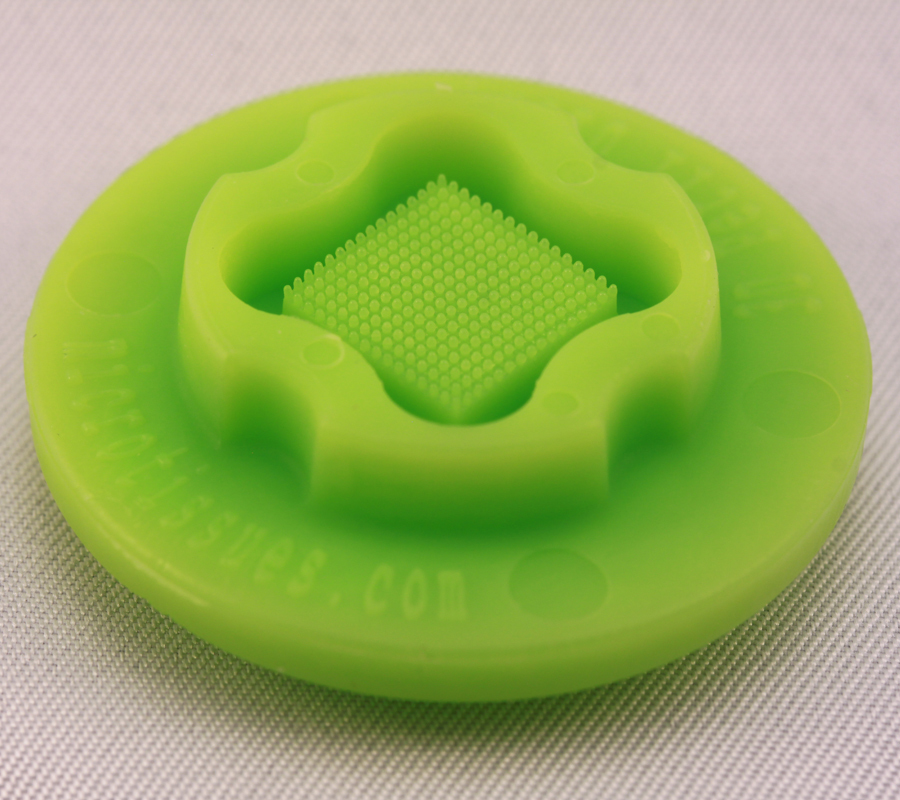
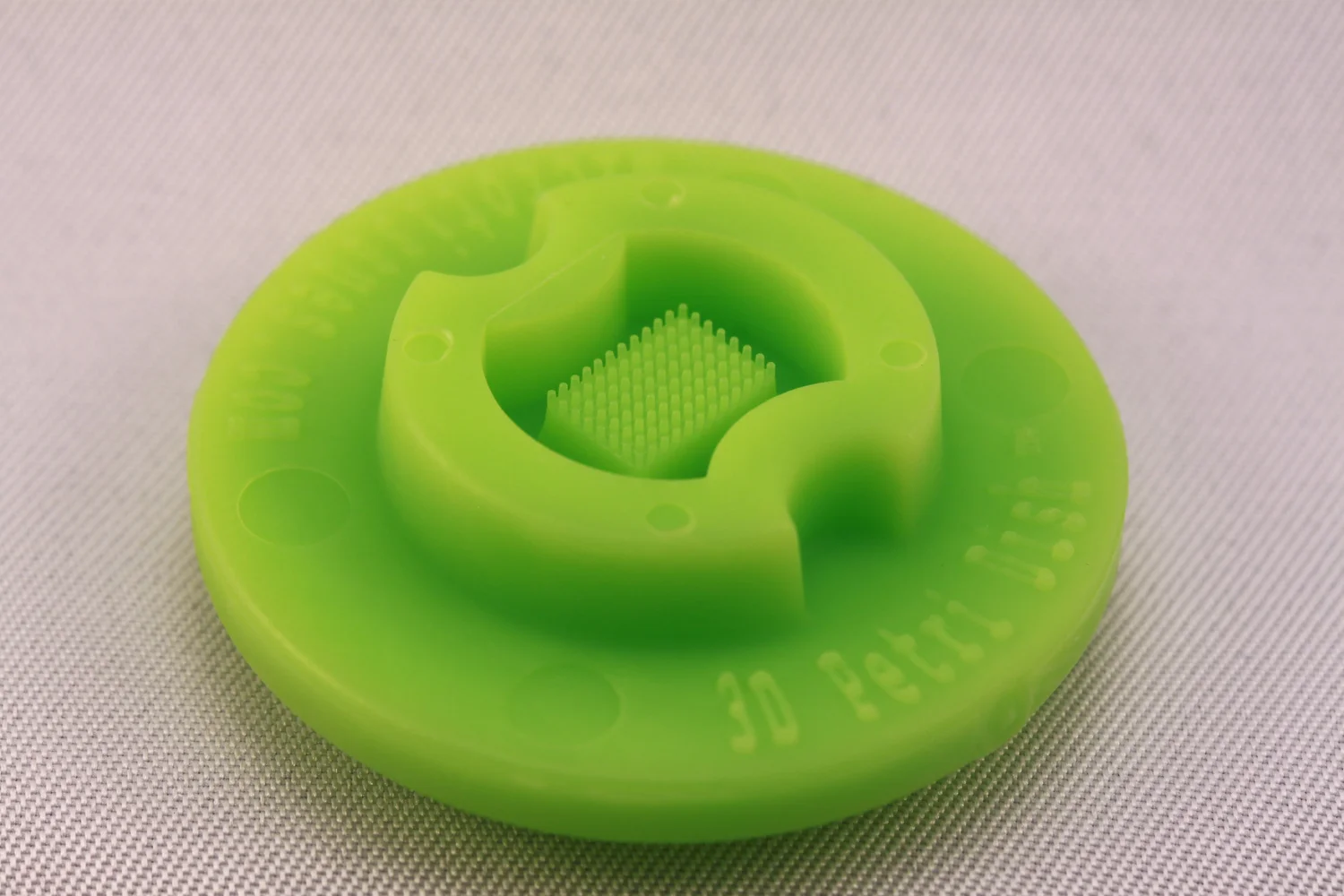
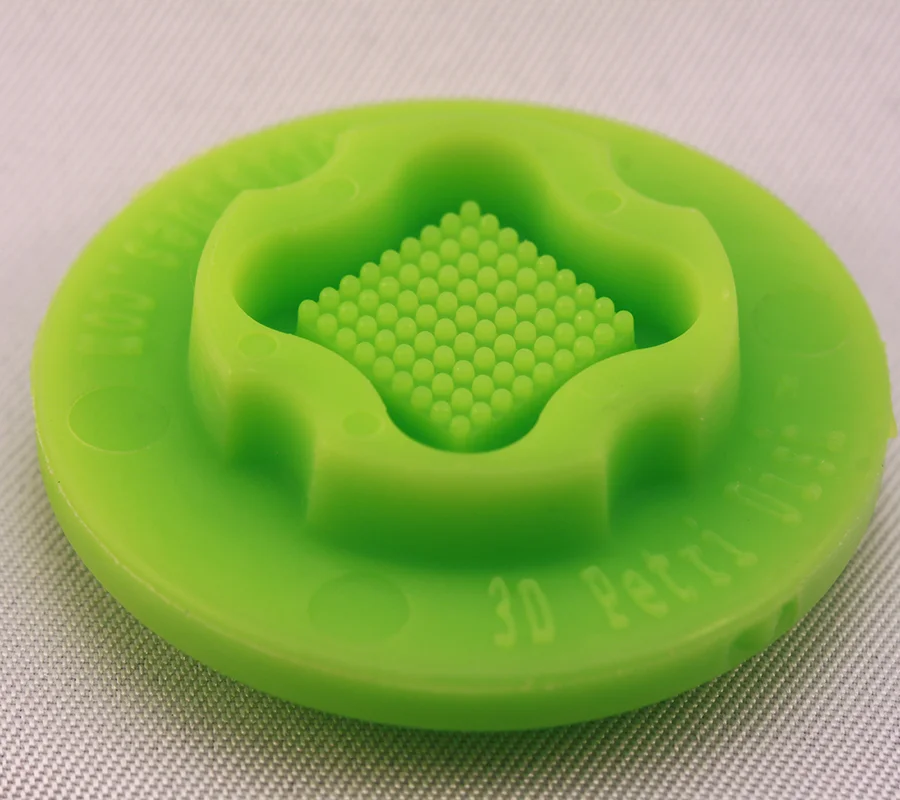
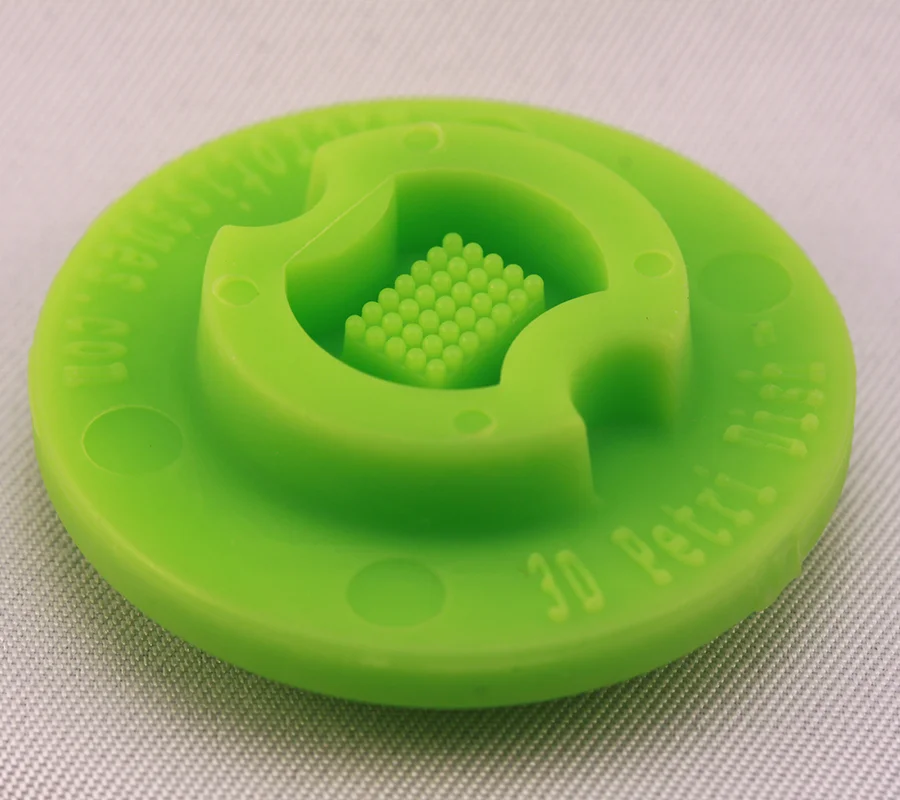
Published in Scientific Reports (2023), this peer-reviewed study used 3D Petri Dish® micro-molds to form scaffold-free 3D microtissues. Full citation: Žmudová, Zuzana, et al. Biodistribution and toxicity assessment of methoxyphenyl phosphonium carbosilane dendrimers in 2D and 3D cell cultures of human cancer cells and zebrafish embryos
Biodistribution and toxicity assessment of methoxyphenyl phosphonium carbosilane dendrimers in 2D and 3D cell cultures of human cancer cells and zebrafish embryos
Research Overview
Dendrimers have significant biomedical potential, which makes their cytotoxicity, acute toxicity, and tissue accumulation important to characterize. This study evaluated the biodistribution and toxicity of a novel methoxyphenyl phosphonium carbosilane dendrimer — a candidate mitochondria-targeting vector for cancer therapeutics — across 2D and 3D cancer cultures and zebrafish embryos.
Cytotoxicity was assessed by MTT, ATP, and spheroid growth inhibition assays alongside cellular biodistribution. The dendrimer proved more cytotoxic to cancer cells, likely because of its specific targeting to the mitochondrial compartment, with in vivo zebrafish studies complementing the culture work.
Key Discoveries
- Mitochondria-targeting carbosilane dendrimer showed selective cytotoxicity toward cancer cells
- Assessed by MTT, ATP, and spheroid growth inhibition across 2D and 3D cultures
- Zebrafish embryo studies provided in vivo biodistribution and acute toxicity data