Summary
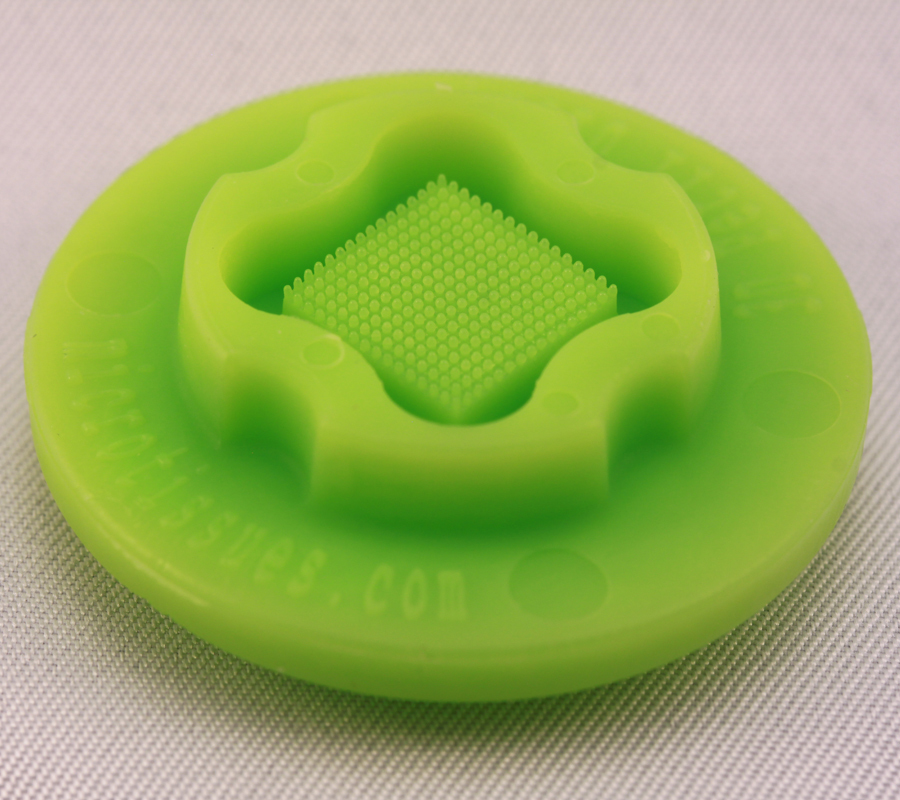
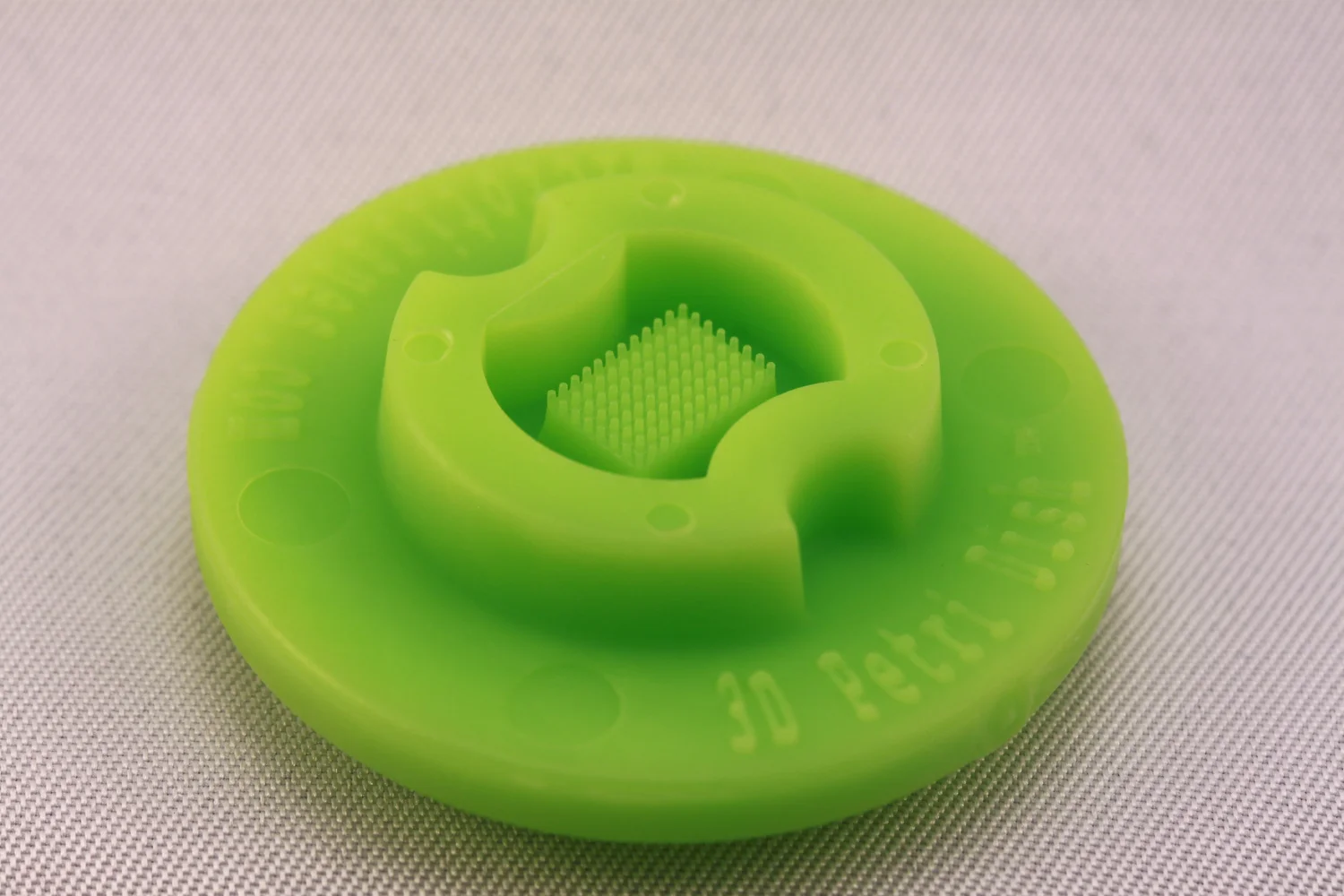
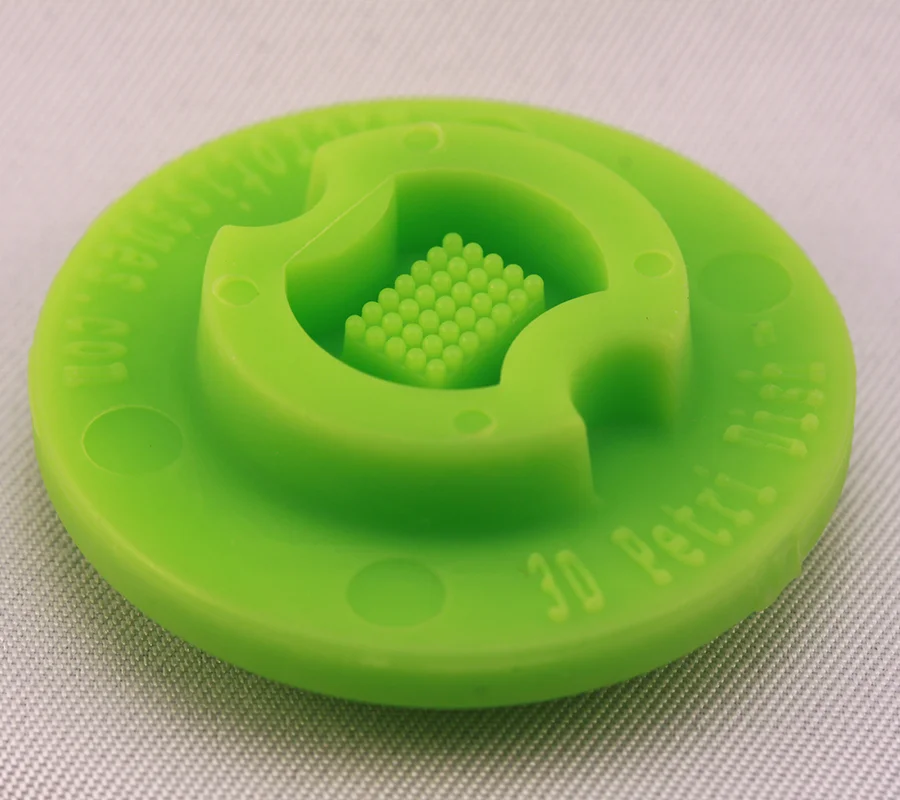
Published in Pharmaceuticals (2023), this peer-reviewed study used 3D Petri Dish® micro-molds to form scaffold-free 3D microtissues. Full citation: Gomes, Giovana Bicudo, et al. Selenylated Imidazo [1,2-a]pyridine Induces Apoptosis and Oxidative Stress in 2D and 3D Models of Colon Cancer Cells
Selenylated Imidazo [1,2-a]pyridine Induces Apoptosis and Oxidative Stress in 2D and 3D Models of Colon Cancer Cells
Research Overview
Colon cancer incidence keeps rising, worsened by genetic and epigenetic changes that breed drug resistance. Synthetic selenium compounds have shown greater efficacy and lower toxicity than conventional drugs, with biocompatibility and pro-oxidant effects on tumor cells. This study tested MRK-107, an imidazo[1,2-a]pyridine derivative, in 2D and 3D models of colon cancer using Caco-2 and HT-29 cells.
After 48 hours in 2D, sulforhodamine B assays gave GI50 values of 2.4 µM for Caco-2 and 1.1 µM for HT-29, versus 22.19 µM for non-tumor NIH/3T3 fibroblasts. Recovery, migration, clonogenic, and Ki-67 assays confirmed that MRK-107 inhibits proliferation and prevents regeneration and metastatic transition by selectively reducing migratory and clonogenic capacity, sparing non-tumor cells.
Key Discoveries
- MRK-107 GI50 of 2.4 µM (Caco-2) and 1.1 µM (HT-29) versus 22.19 µM in non-tumor NIH/3T3 cells
- Selectively reduced migratory and clonogenic capacity of colon cancer cells
- Tested in both 2D and 3D colon cancer culture models