Summary
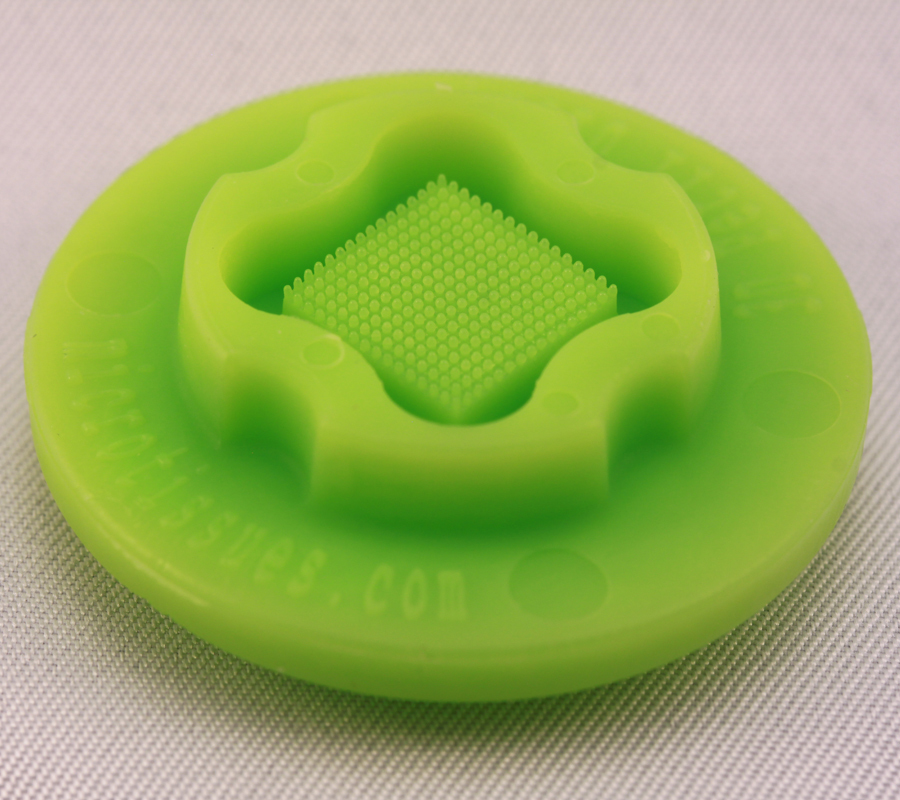
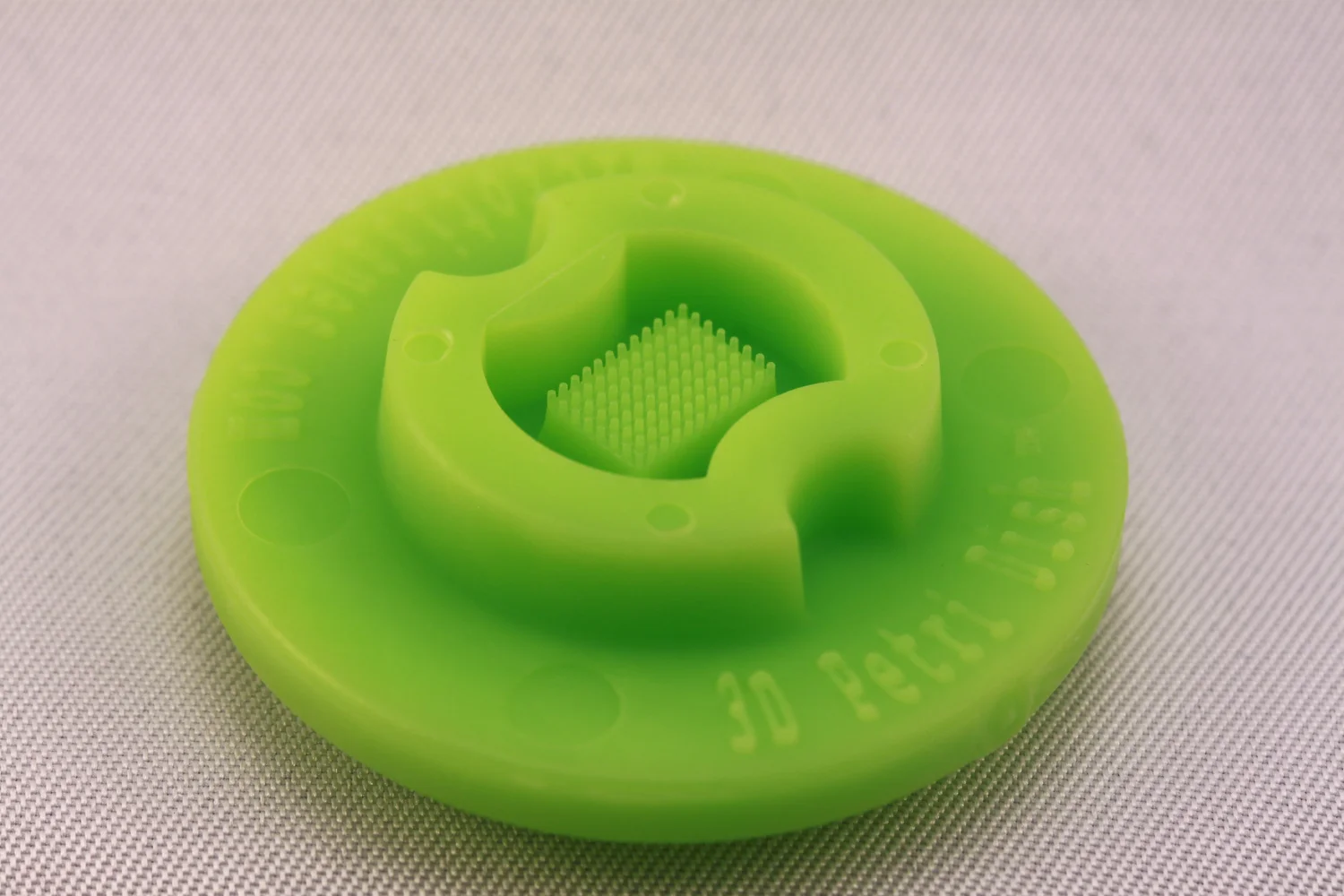
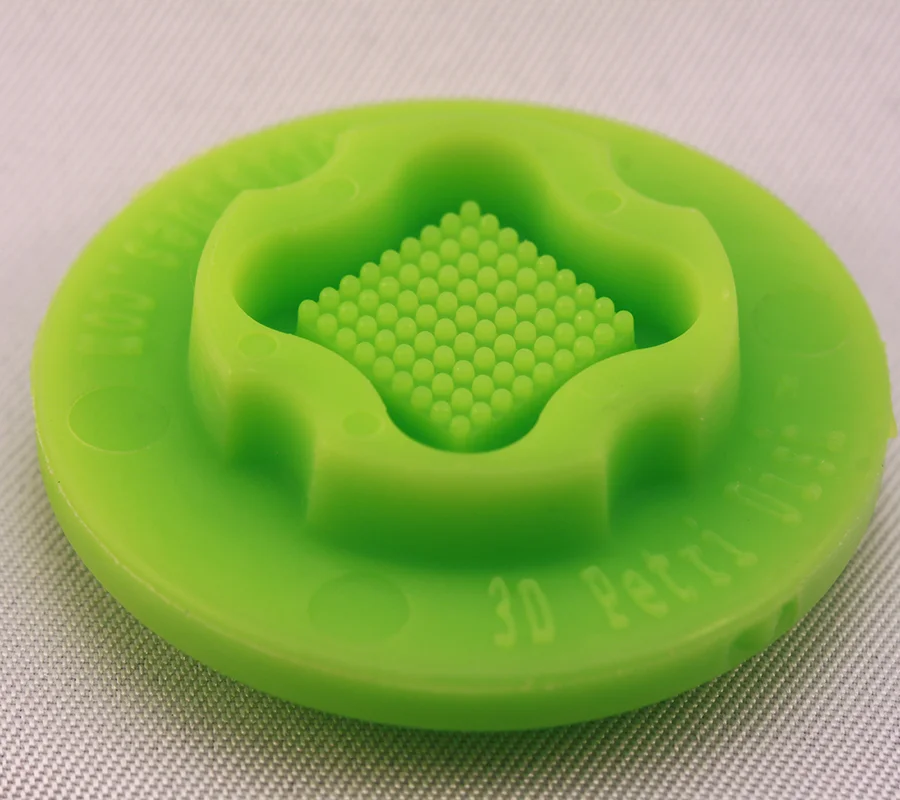
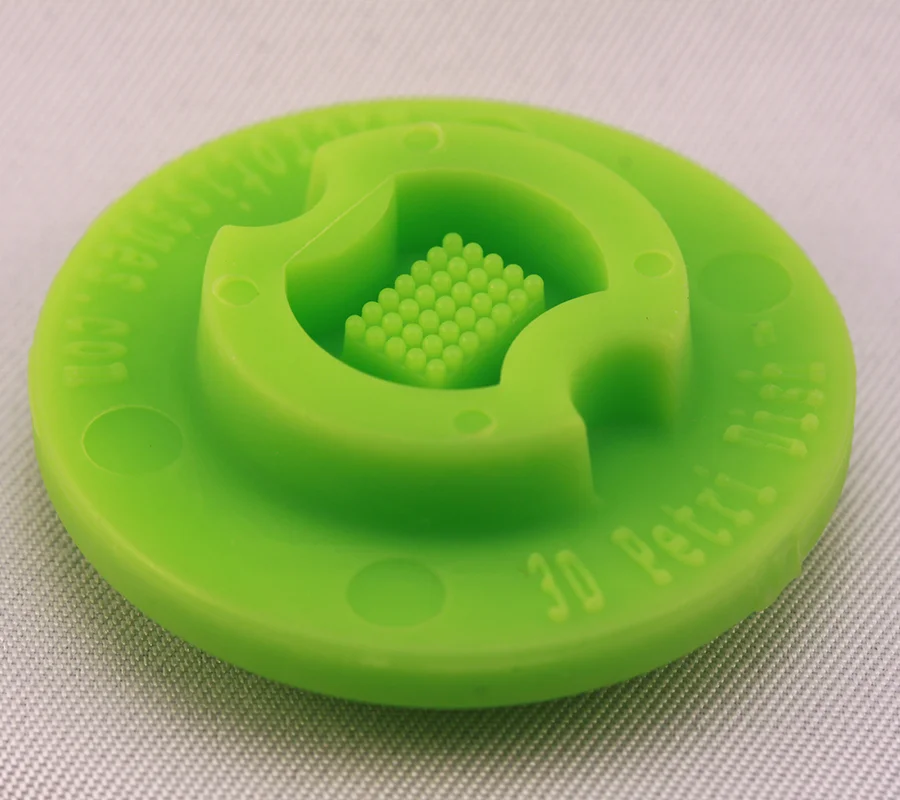
Published in The Journal of Clinical Endocrinology & Metabolism (2019), this peer-reviewed study used 3D Petri Dish® micro-molds to form scaffold-free 3D microtissues. Full citation: Wiwatpanit, Teerawat, et al. Scaffold-Free Endometrial Organoids Respond to Excess Androgens Associated With Polycystic Ovarian Syndrome
Scaffold-Free Endometrial Organoids Respond to Excess Androgens Associated With Polycystic Ovarian Syndrome
Research Overview
Polycystic ovary syndrome affects many women of reproductive age and raises the risk of endometrial cancer, but the effect of its characteristic elevated androgens on the endometrium is hard to study.
This study established a scaffold-free multicellular endometrial organoid built from primary endometrial epithelial and stromal cells. Organoids were treated for 14 days with physiologic levels of estradiol and testosterone reproducing either a normal follicular phase or a PCOS hormone profile, then harvested for immunostaining and RNA sequencing — isolating the endometrial response to androgen excess.
Key Discoveries
- Scaffold-free multicellular endometrial organoids built from primary epithelial and stromal cells
- 14-day hormone treatments modeled normal follicular phase versus PCOS profiles
- Immunostaining plus RNA sequencing captured the endometrial response to androgen excess