Summary
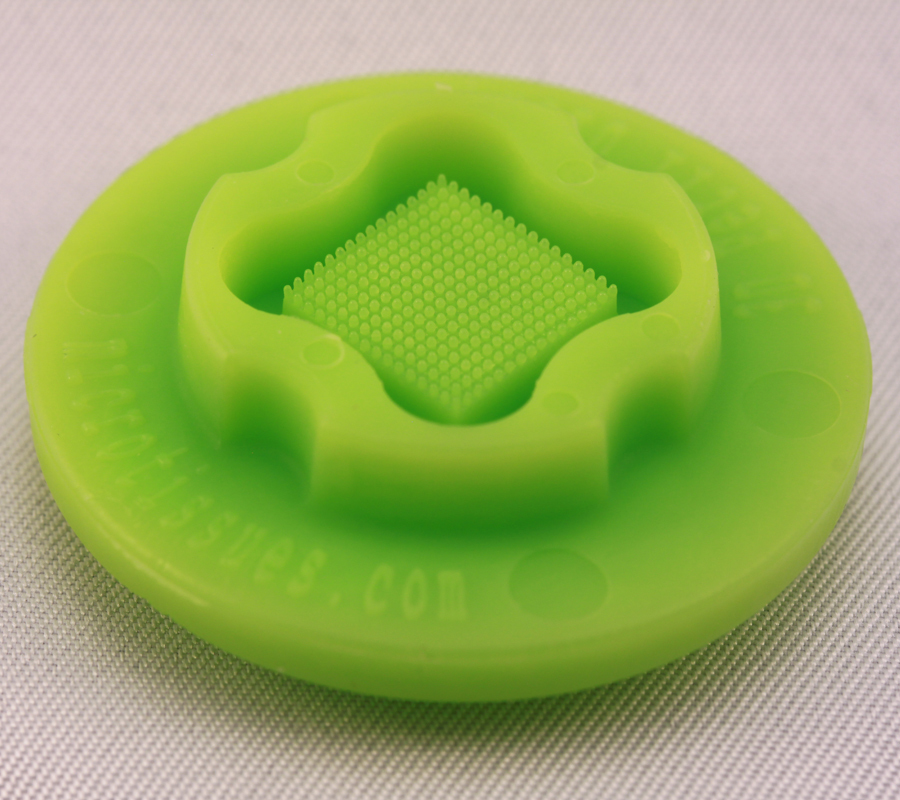
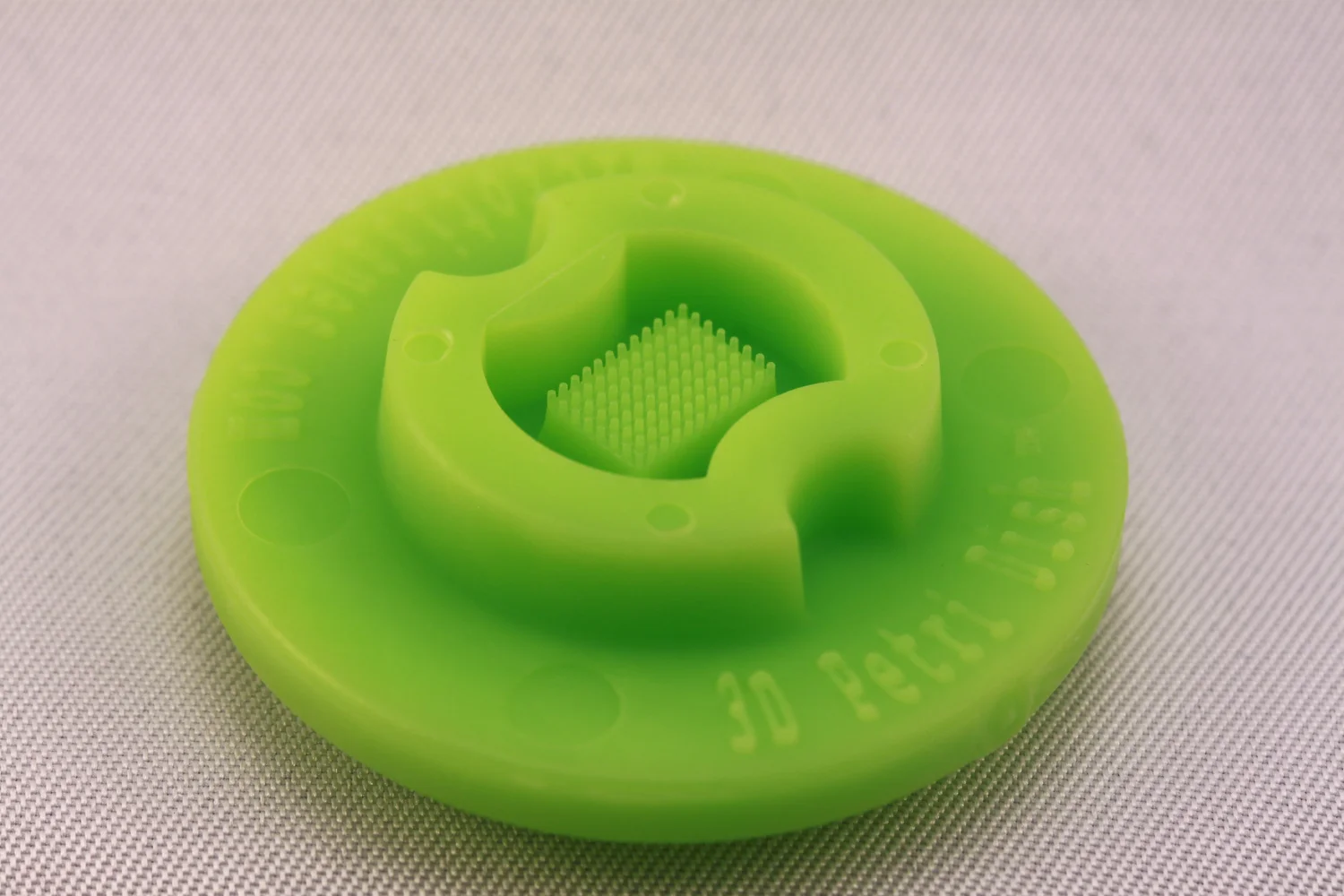
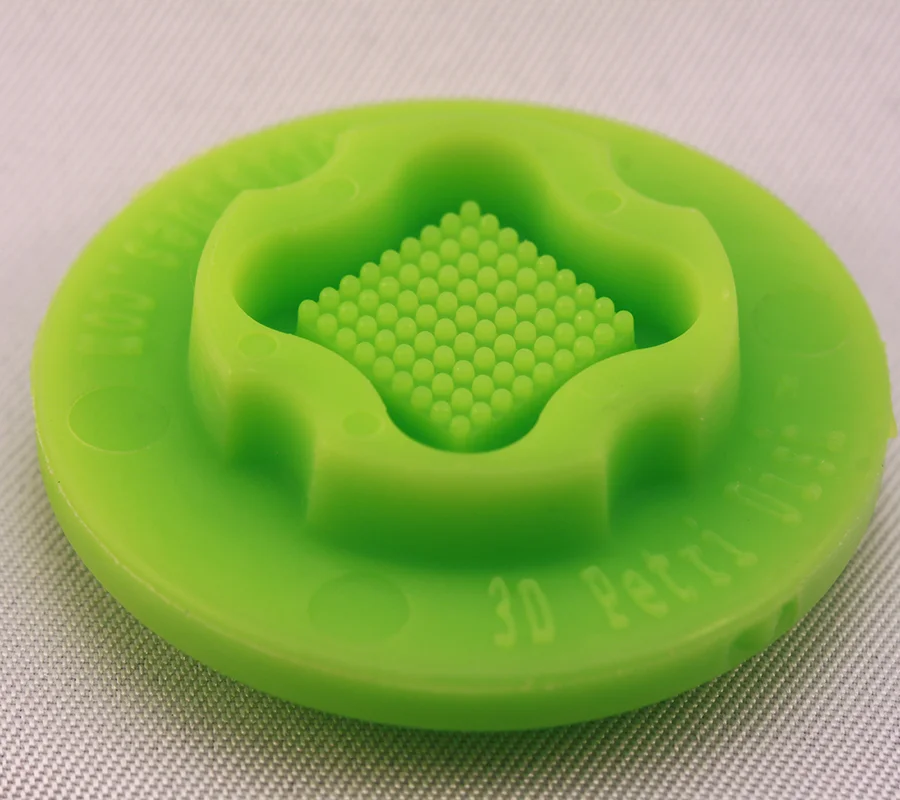
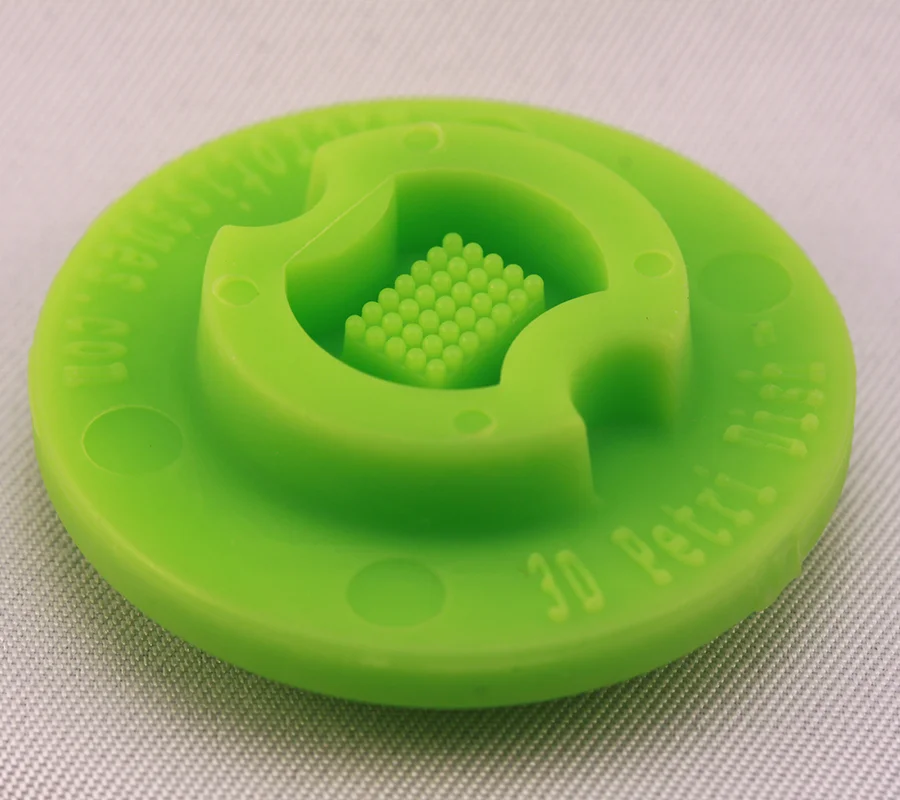
Published in International Journal of Pharmaceutics (2023), this peer-reviewed study used 3D Petri Dish® micro-molds to form scaffold-free 3D microtissues. Full citation: Nascimento, Camila, et al. Reprogramming of tumor-associated macrophages by polyaniline-coated iron oxide nanoparticles applied to treatment of breast cancer
Reprogramming of tumor-associated macrophages by polyaniline-coated iron oxide nanoparticles applied to treatment of breast cancer
Research Overview
Cancer immunotherapy works by turning the patient’s own immune system against the tumor, and recent evidence shows iron oxide nanoparticles can reprogram tumor-associated macrophages from the pro-tumor M2 phenotype toward anti-tumor M1.
This study evaluated whether polyaniline-coated maghemite (Pani/γ-Fe2O3) nanoparticles can modulate human macrophages in the breast cancer context — combining a magnetic nanoparticle core with a conductive polymer coating to drive macrophage reprogramming in the tumor microenvironment.
Key Discoveries
- Polyaniline-coated maghemite nanoparticles tested for macrophage phenotype modulation
- Targets M2-to-M1 reprogramming of tumor-associated macrophages in breast cancer
- Combines magnetic iron oxide core with conductive polymer coating