Summary
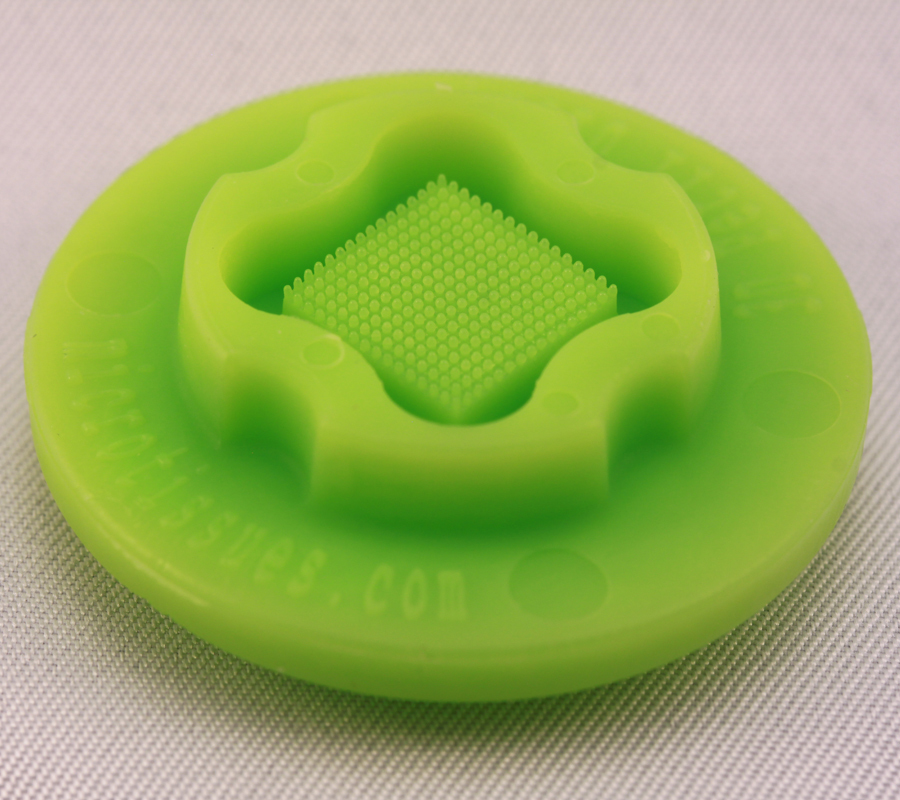
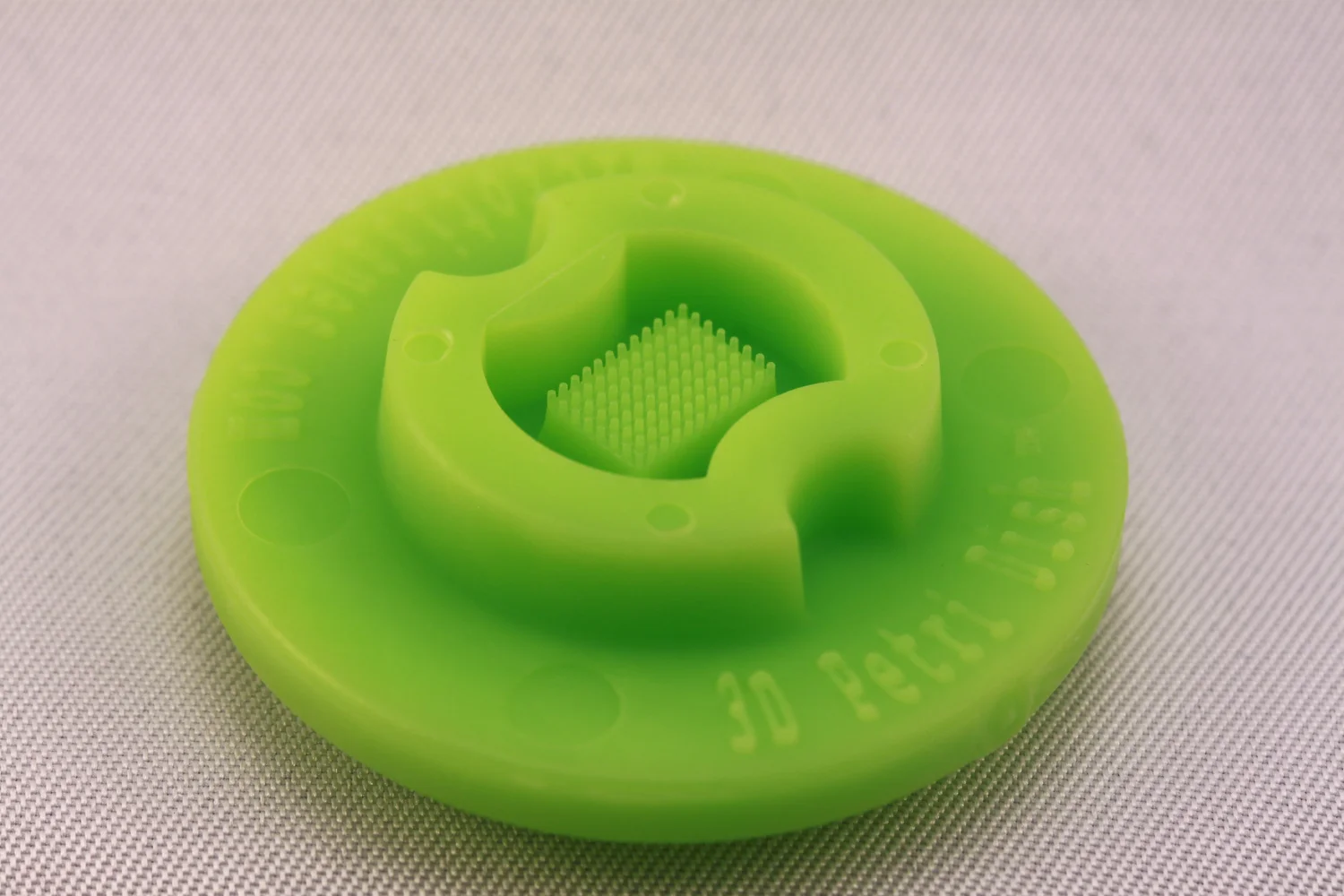
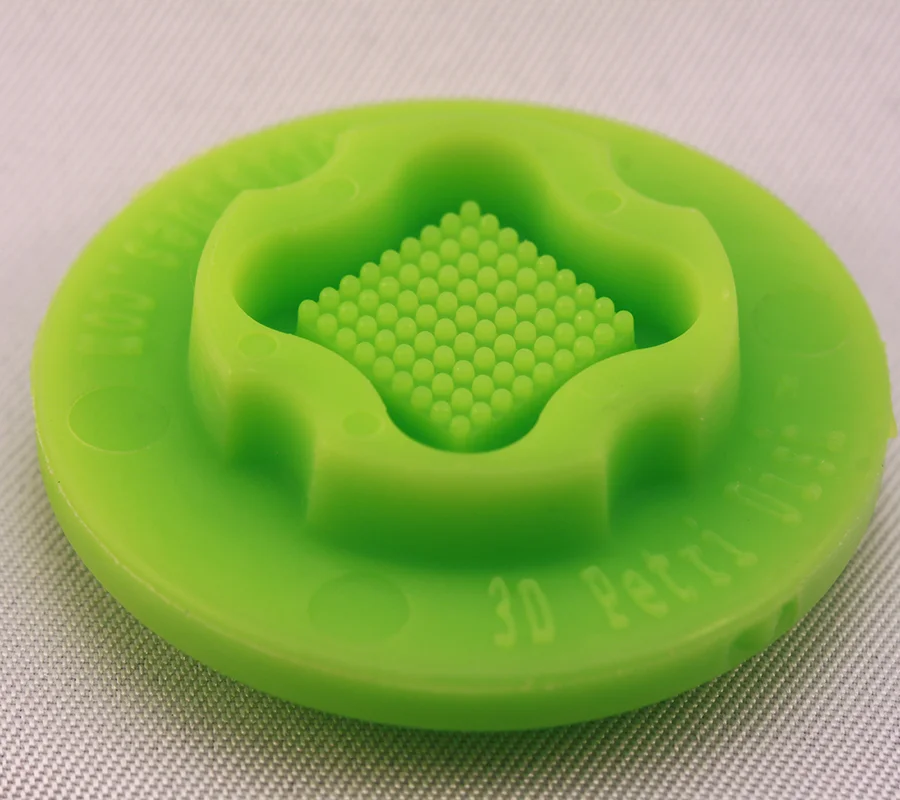
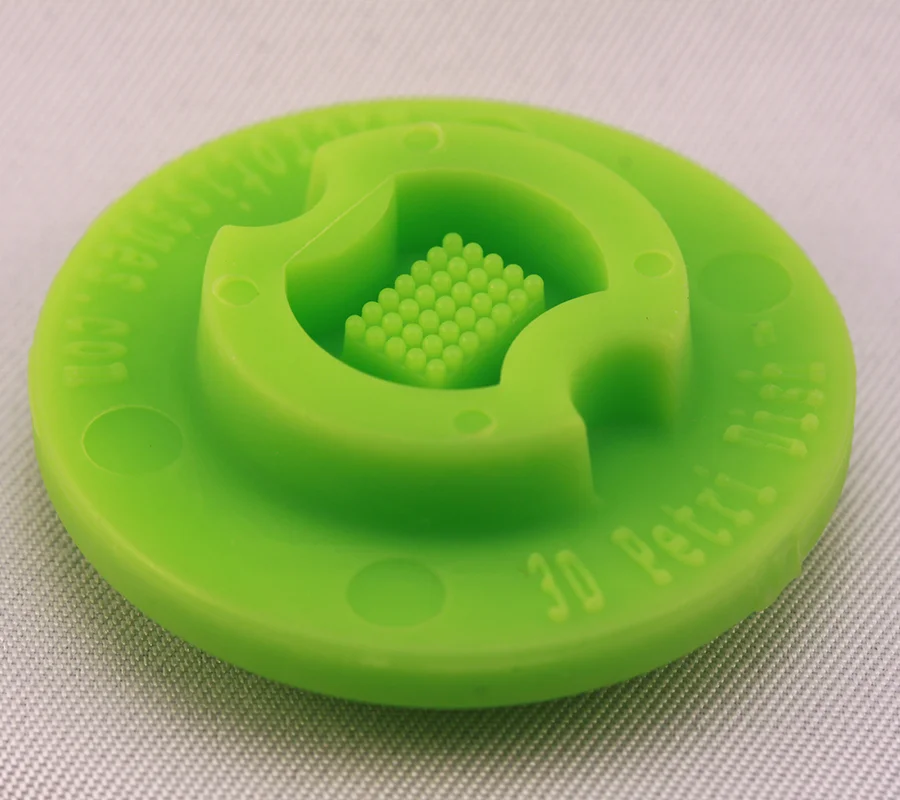
Published in Biomedicines (2022), this peer-reviewed study used 3D Petri Dish® micro-molds to form scaffold-free 3D microtissues. Full citation: Di Pompo, Gemma, et al. Radiodynamic Therapy with Acridine Orange Is an Effective Treatment for Bone Metastases
Radiodynamic Therapy with Acridine Orange Is an Effective Treatment for Bone Metastases
Research Overview
Treatment of bone metastases is only partly effective and often burdened by side effects. Acridine orange is a photosensitizer that accumulates in acidic compartments and, once activated by light or radiation, triggers lysosome-mediated cell death. This study explored radiodynamic activation of acridine orange as an acid-targeted therapy for bone metastases.
Using osteotropic carcinoma cells and human osteoclasts, the authors measured extracellular acidification, invasiveness, acridine orange uptake, lysosomal pH and stability, and radiodynamic cytotoxicity in vitro, then compared the approach against omeprazole — another anti-acid strategy — in a xenograft model. Carcinoma cells acidified their surroundings, and that tumor-derived acidosis enhanced invasiveness.
Key Discoveries
- Acridine orange radiodynamic therapy tested as an acid-targeted treatment for bone metastases
- Carcinoma cells acidified the extracellular space, and acidosis increased invasiveness
- Compared head-to-head with omeprazole in a xenograft bone metastasis model