Summary
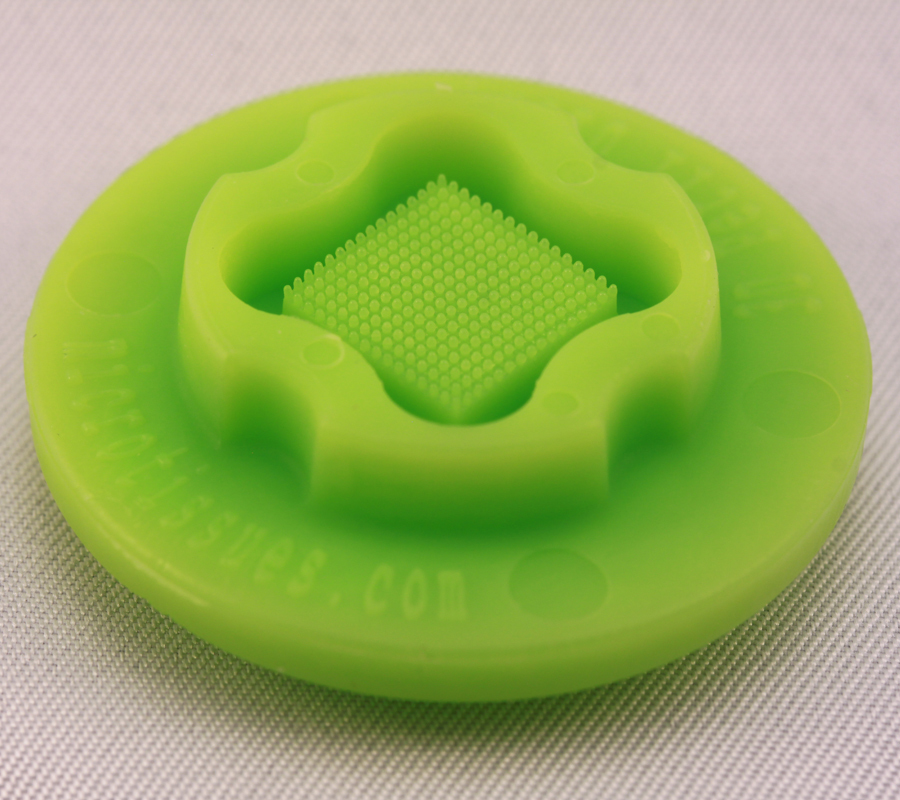
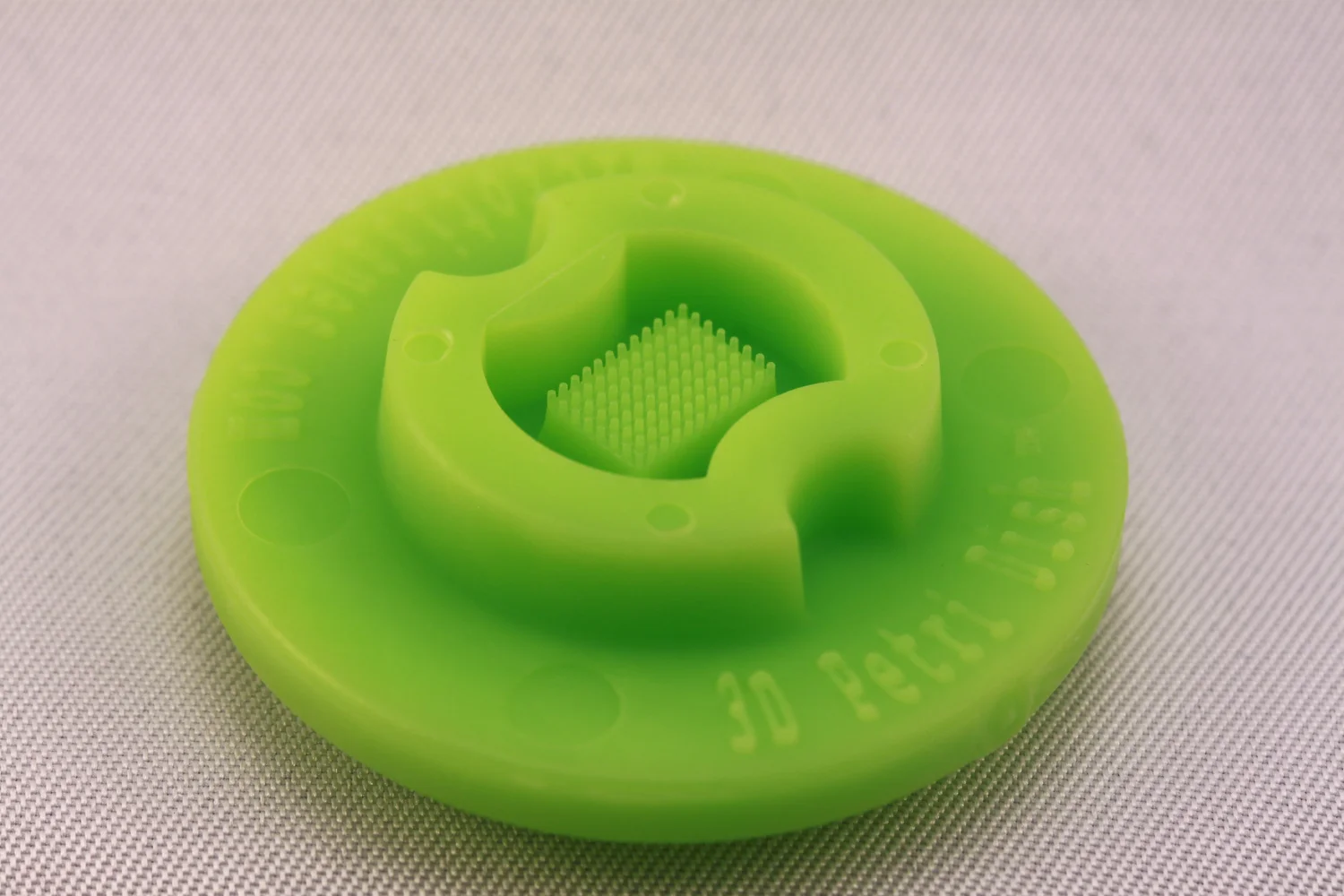
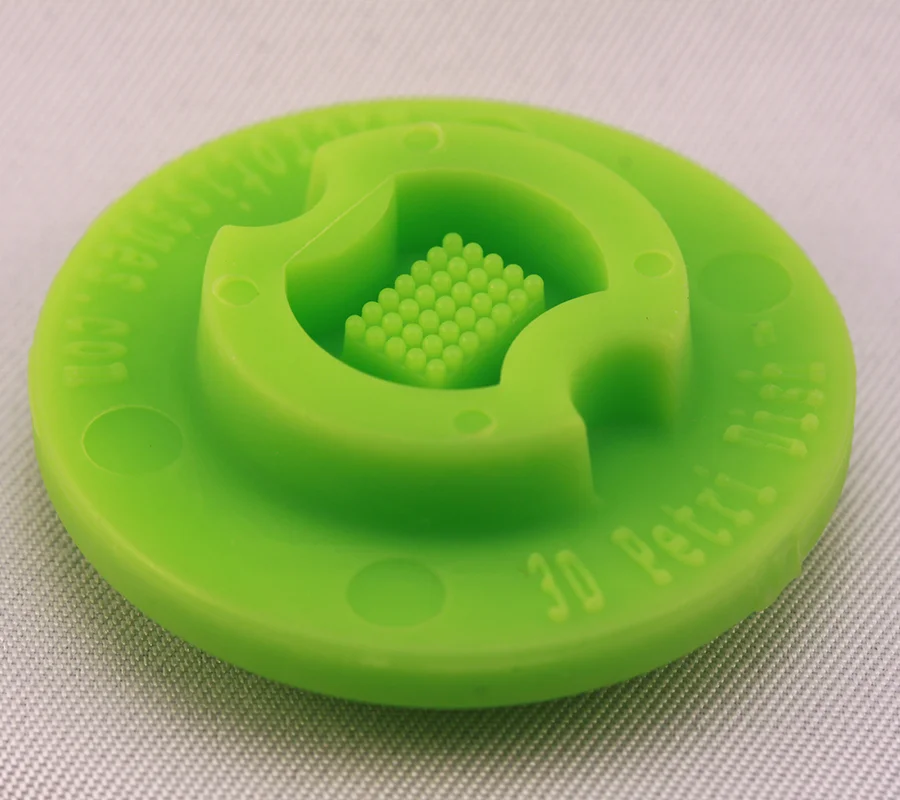
Published in Molecular Oncology (2025), this peer-reviewed study used 3D Petri Dish® micro-molds to form scaffold-free 3D microtissues. Full citation: Outla, Zuzana, et al. Plecstatin inhibits hepatocellular carcinoma tumorigenesis and invasion through cytolinker plectin
Plecstatin inhibits hepatocellular carcinoma tumorigenesis and invasion through cytolinker plectin
Research Overview
Plecstatin is a potent preclinical anticancer agent whose exact mechanism — and which of its two main targets, plectin or ODF2, matters — was unresolved. Using knockouts of each in SNU-475 hepatocellular carcinoma cells, this study dissected its mode of action.
Plecstatin suppressed anchorage-independent growth and impaired 2D and 3D migration dose-dependently in wild-type and ODF2-deficient cells, but not in plectin-deficient cells — establishing plectin as the principal effector. Proteomic and functional analyses showed the drug mainly disrupts cytoskeletal remodeling through plectin, while ciliogenesis-related pathways were selectively tied to ODF2 loss. Deleting either protein attenuated plecstatin-induced Ser51 phosphorylation of eIF2α.
Key Discoveries
- Plectin knockout abolished plecstatin's effects on growth and migration; ODF2 knockout did not
- Plecstatin acts chiefly by disrupting cytoskeletal remodeling via plectin
- Both plectin and ODF2 loss attenuated eIF2α Ser51 phosphorylation induced by the drug