Summary
Published in Gels (2024), this peer-reviewed study used 3D Petri Dish® micro-molds to form scaffold-free 3D microtissues. Full citation: Moreno Valtierra, Maira, et al. Patterned PVA Hydrogels with 3D Petri Dish® Micro-Molds of Varying Topography for Spheroid Formation of HeLa Cancer Cells: In Vitro Assessment
Patterned PVA Hydrogels with 3D Petri Dish® Micro-Molds of Varying Topography for Spheroid Formation of HeLa Cancer Cells: In Vitro Assessment
Research Overview
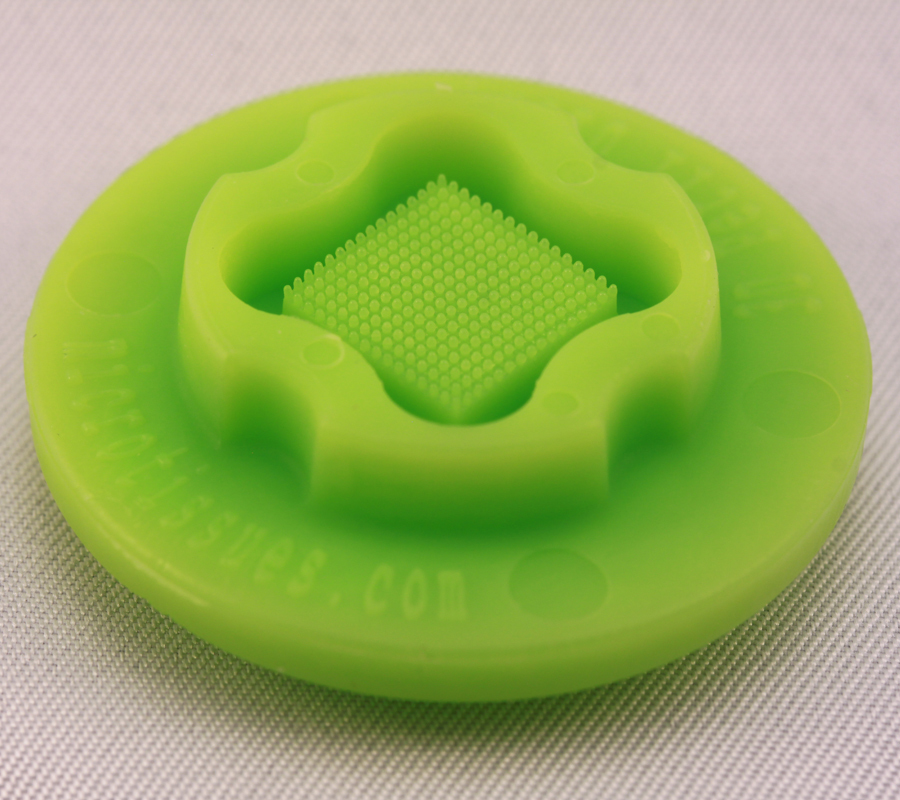
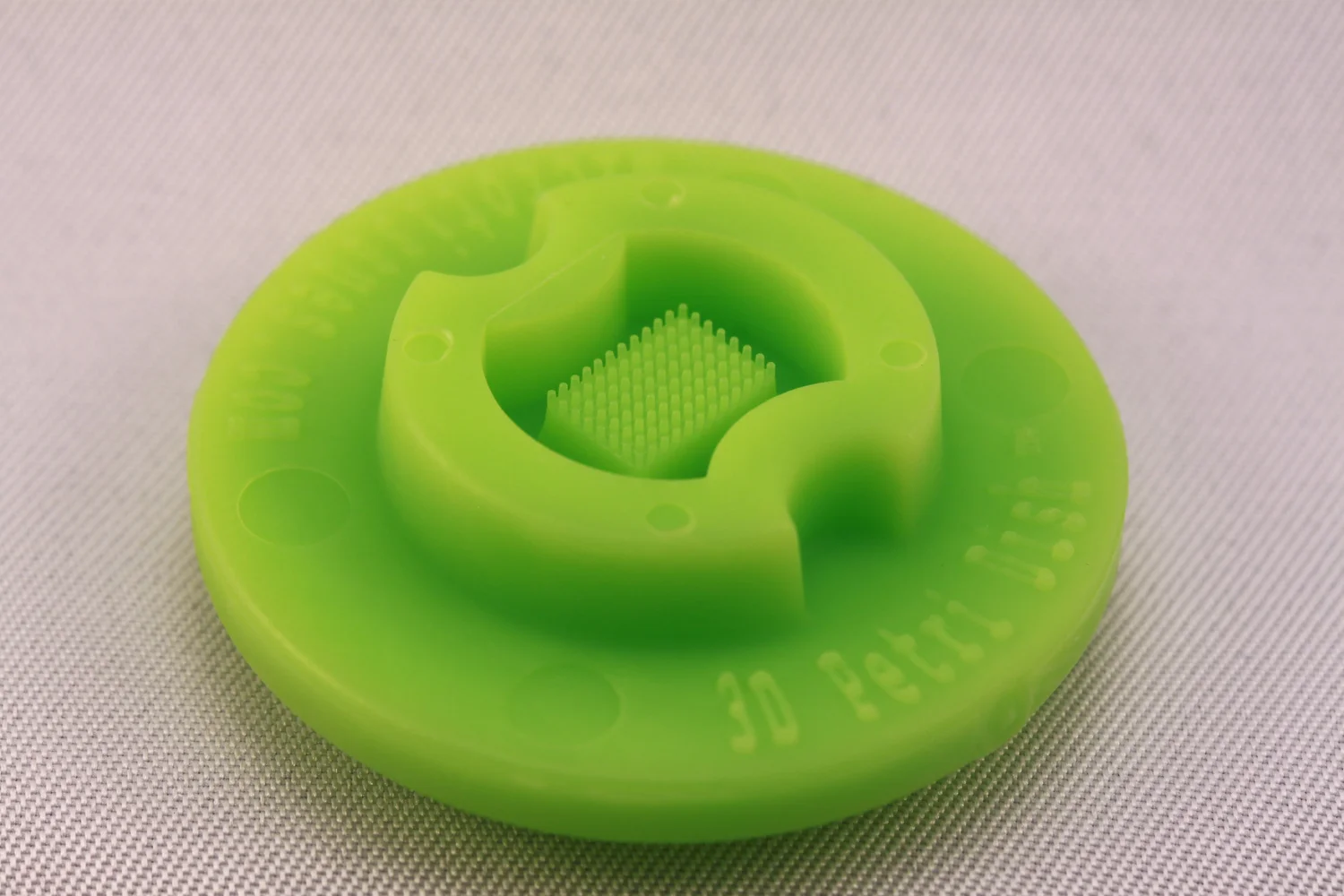
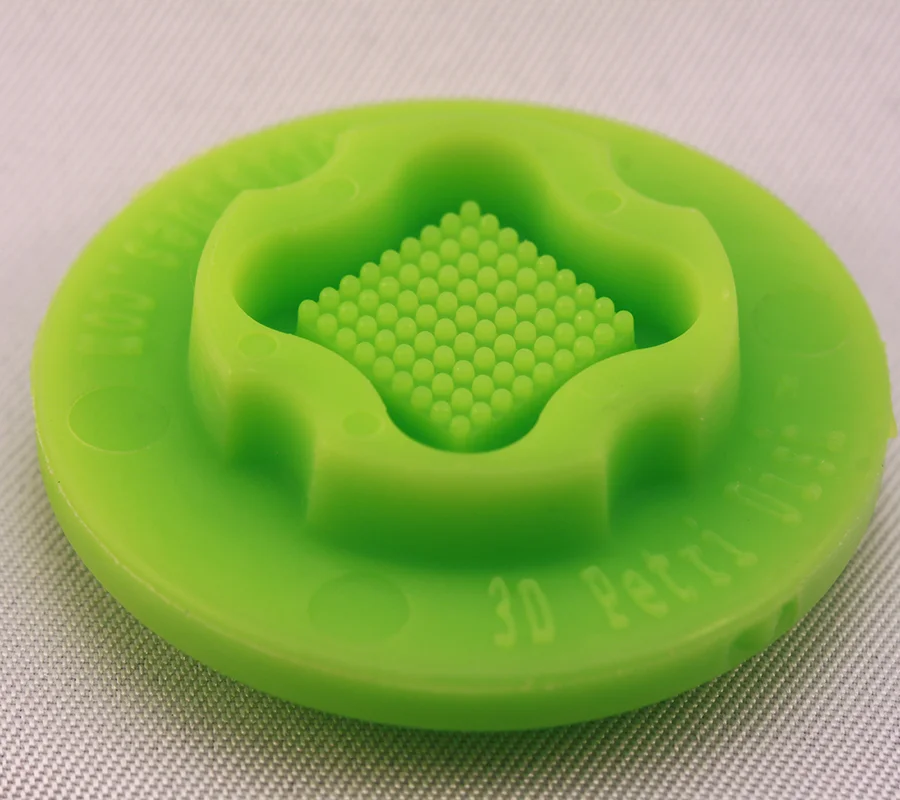
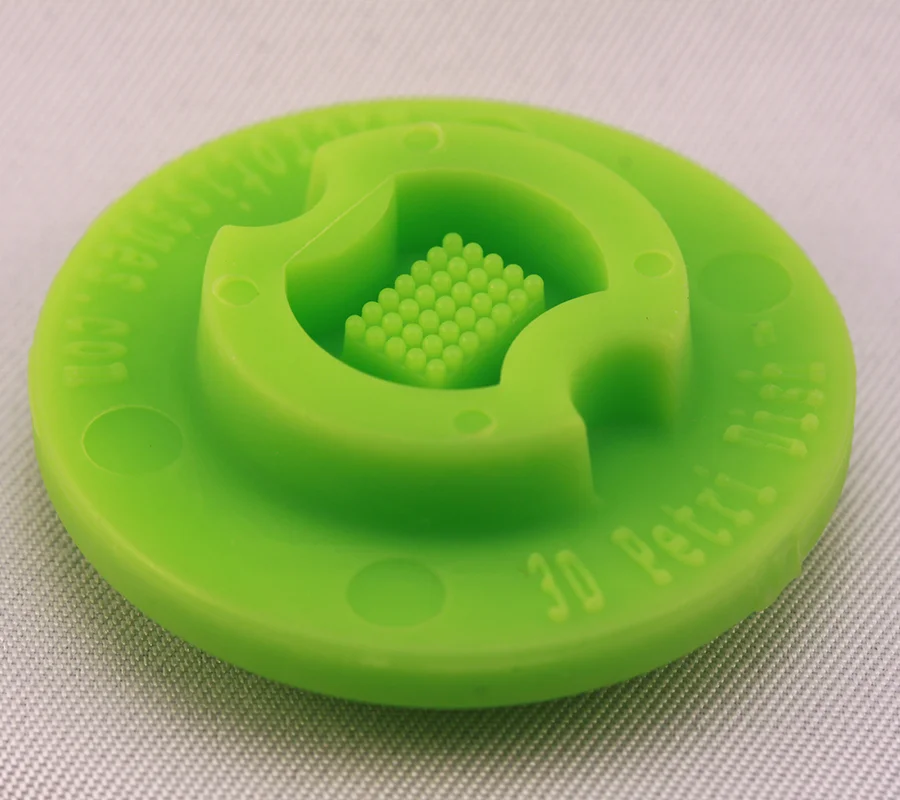
The 3D Petri Dish® forms scaffold-free spheroids using reusable, autoclavable silicone micro-molds with different topographies, conventionally casting gelled agarose to preserve the mold’s topography.
This study tested whether poly(vinyl alcohol) hydrogel could serve as an alternative casting material, using the circular 12-81 micro-mold (9 × 9 wells) to form HeLa cancer cell spheroids. The work explores expanding the material options for scaffold-free 3D culture while retaining the micro-mold topography that defines spheroid size and array geometry.
Key Discoveries
- Patterned poly(vinyl alcohol) hydrogel tested as an alternative to agarose in 3D Petri Dish® molds
- 12-81 micro-mold (9 × 9 wells) used to form HeLa cancer spheroids
- Explores expanding scaffold-free 3D culture to additional hydrogel chemistries