Summary
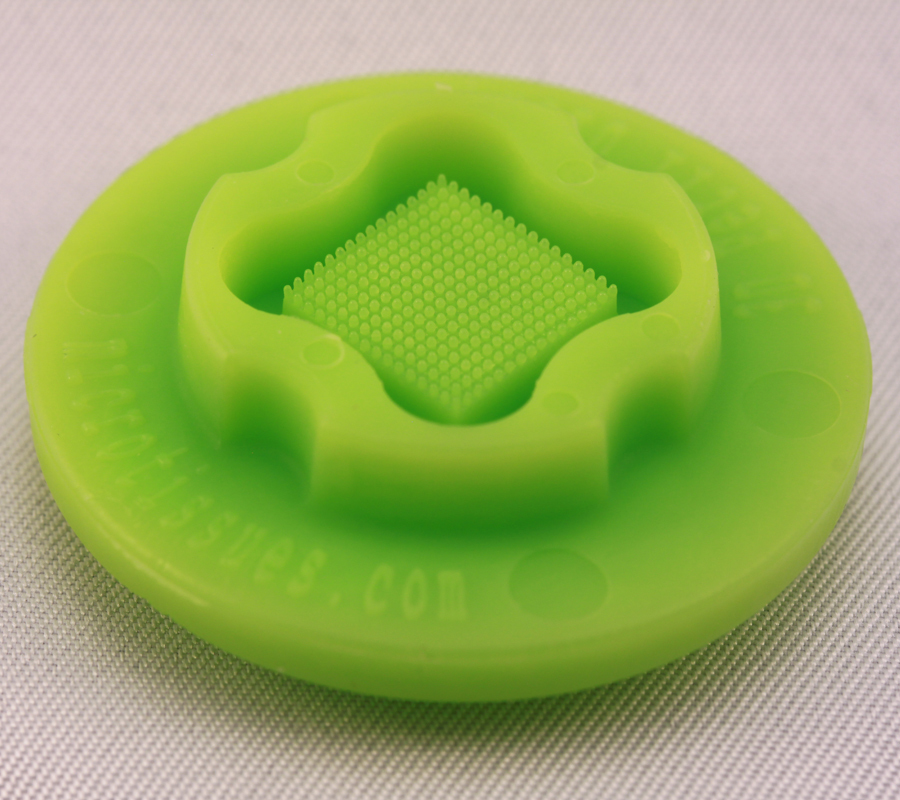
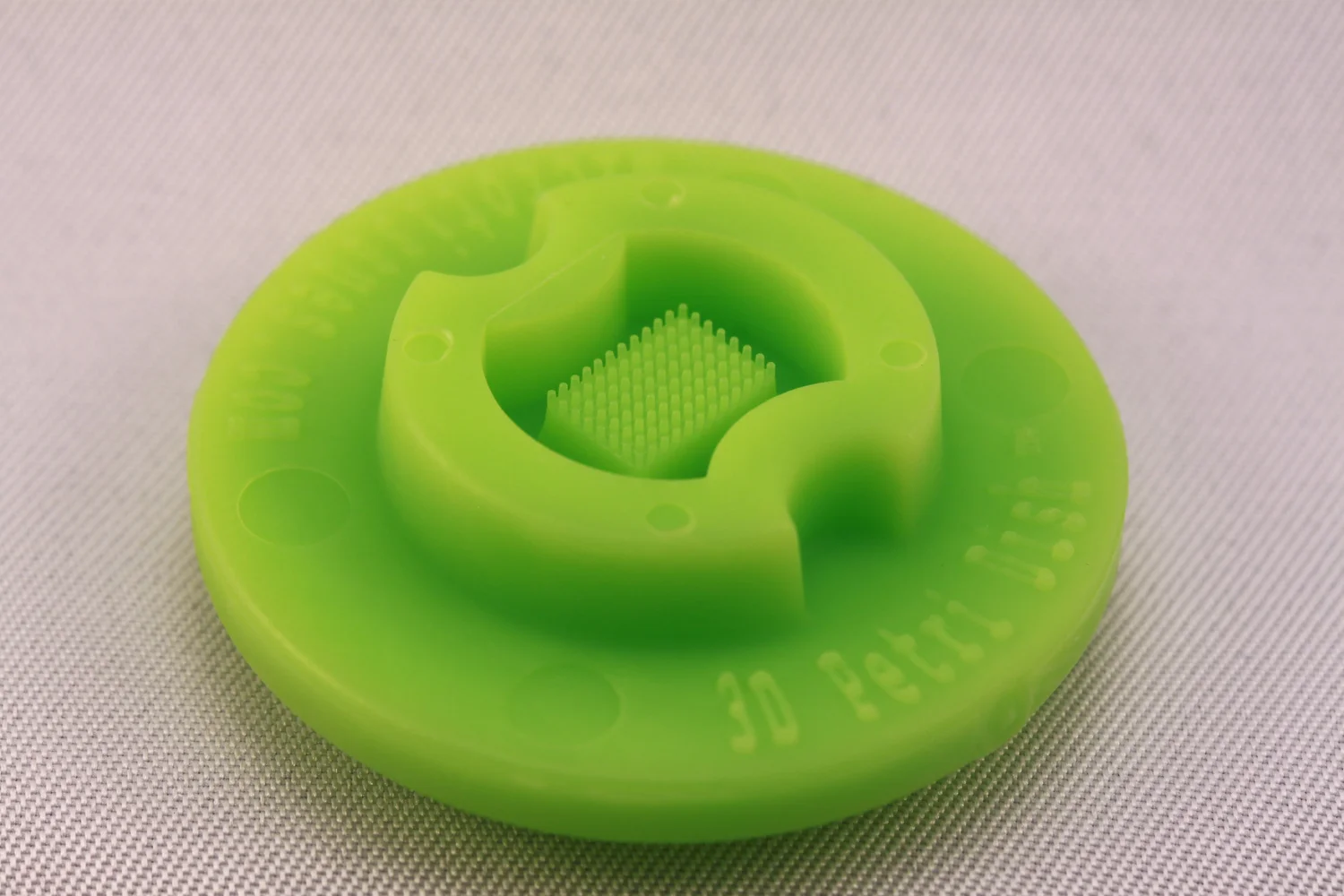
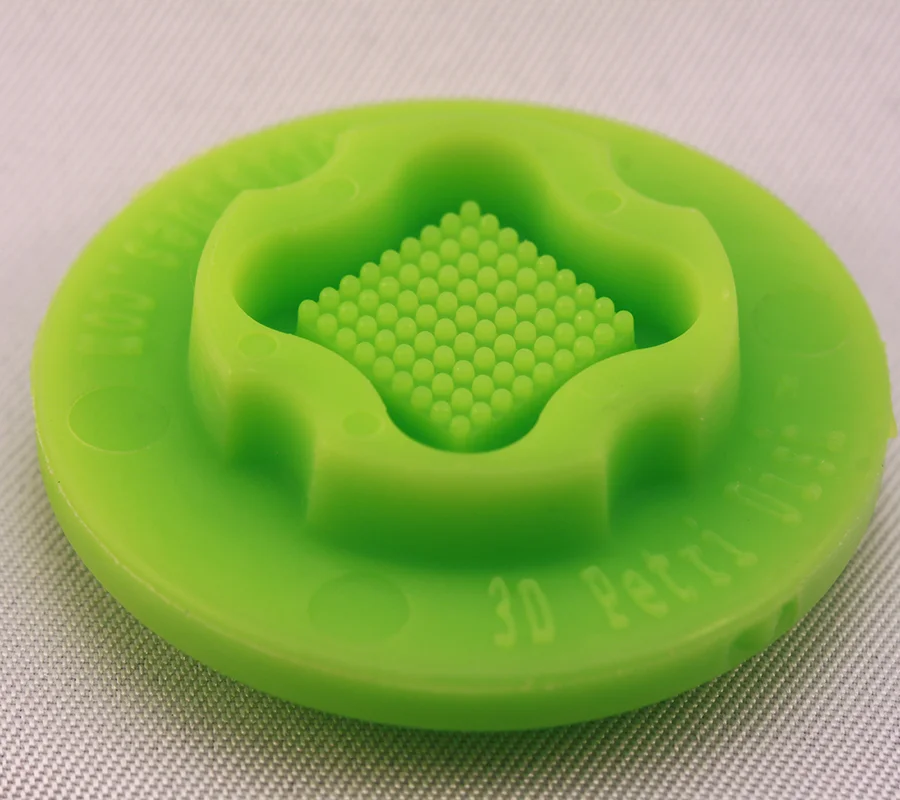
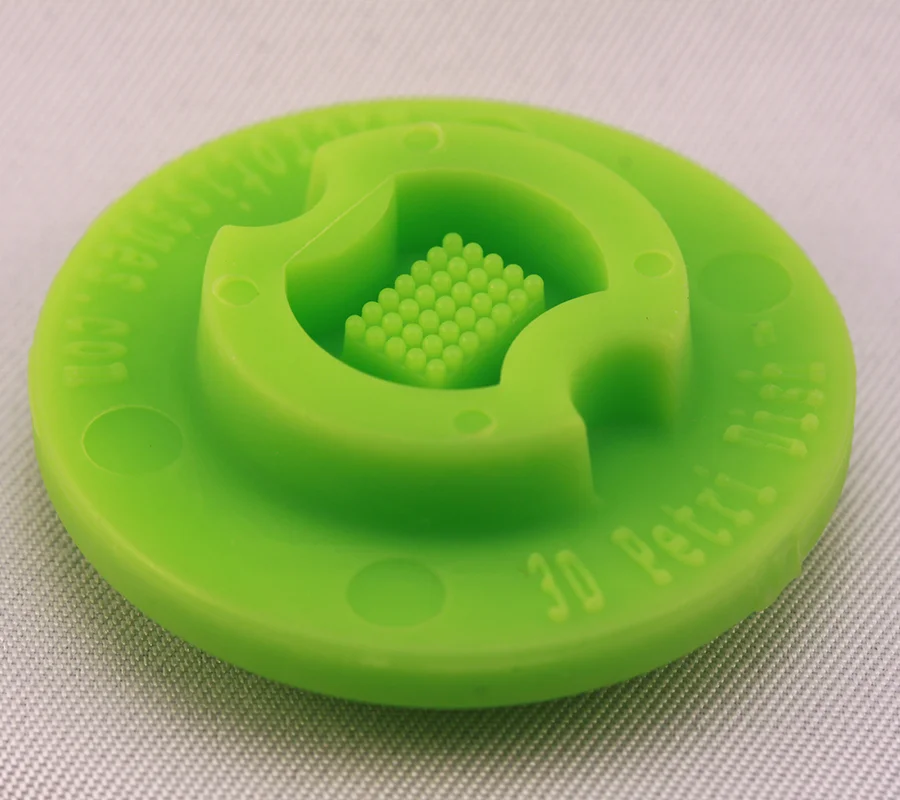
Published in Cells (2022), this peer-reviewed study used 3D Petri Dish® micro-molds to form scaffold-free 3D microtissues. Full citation: De Burghgrave, Marine, et al. Pancreatic Islet Cells Response to IFNγ Relies on Their Spatial Location within an Islet
Pancreatic Islet Cells Response to IFNγ Relies on Their Spatial Location within an Islet
Research Overview
Type 1 diabetes destroys insulin-producing beta cells, but the surrounding alpha and delta cells also sit in the same inflammatory environment. Using a flow cytometry-based strategy, this study compared how IFNγ — a central cytokine in type 1 diabetes — affects all three endocrine cell types isolated from mouse islets.
RNA-seq revealed that alpha and delta cells exposed to IFNγ adopt transcriptomic profiles very similar to beta cells, with increased expression of inflammation genes including MHC class I molecules and the chemokine CXCL10 — showing the inflammatory response extends across the whole islet, not just its beta cells.
Key Discoveries
- Alpha and delta cells responded to IFNγ with transcriptomic profiles resembling beta cells
- Inflammation genes including MHC class I and CXCL10 increased across all three cell types
- Flow-cytometry-based isolation enabled direct comparison of the three endocrine subsets