Summary
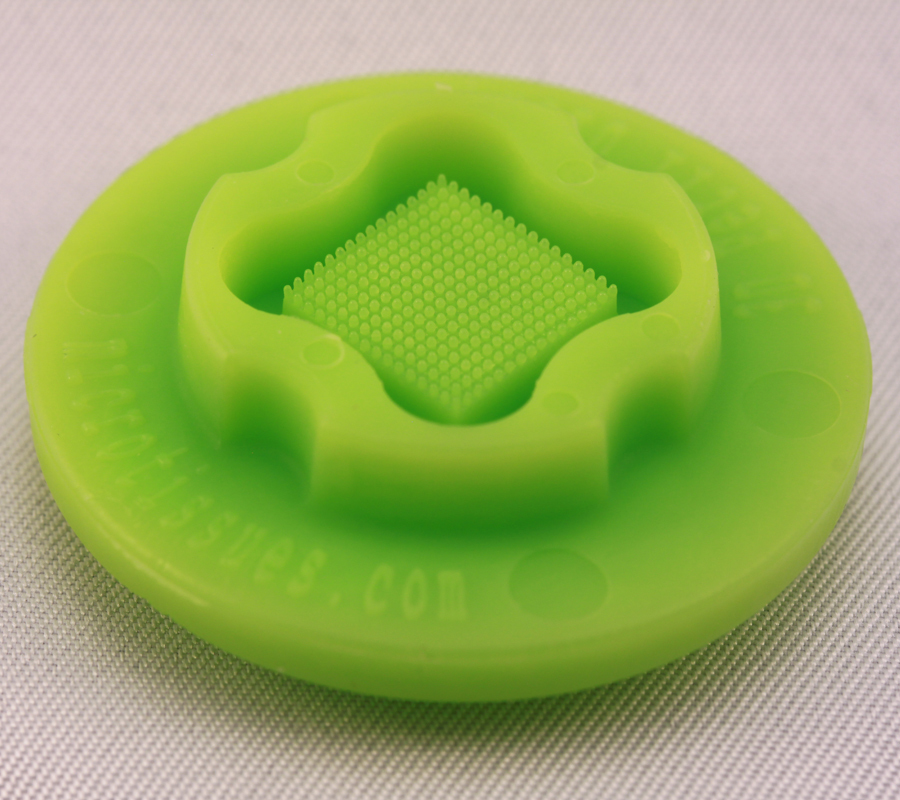
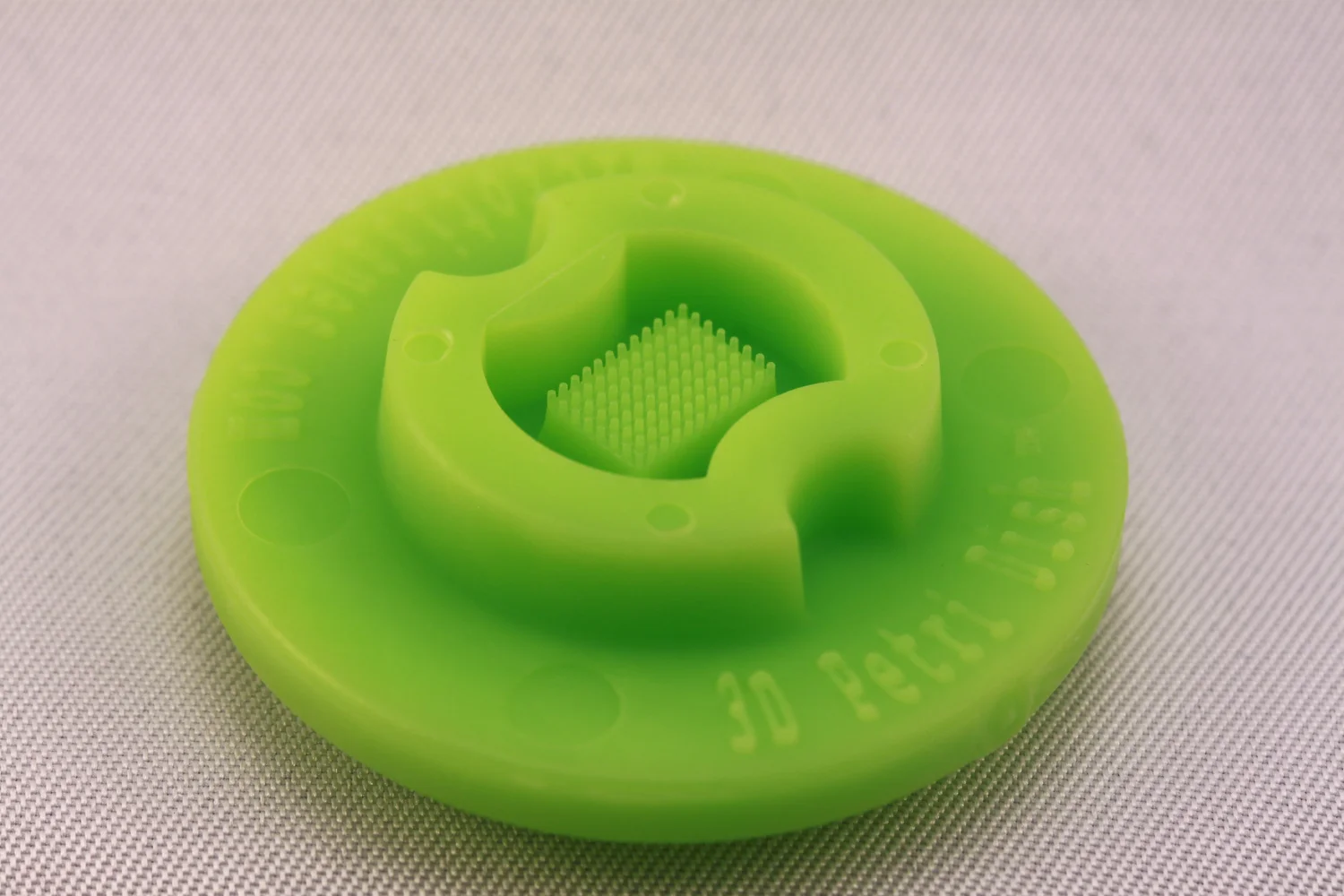
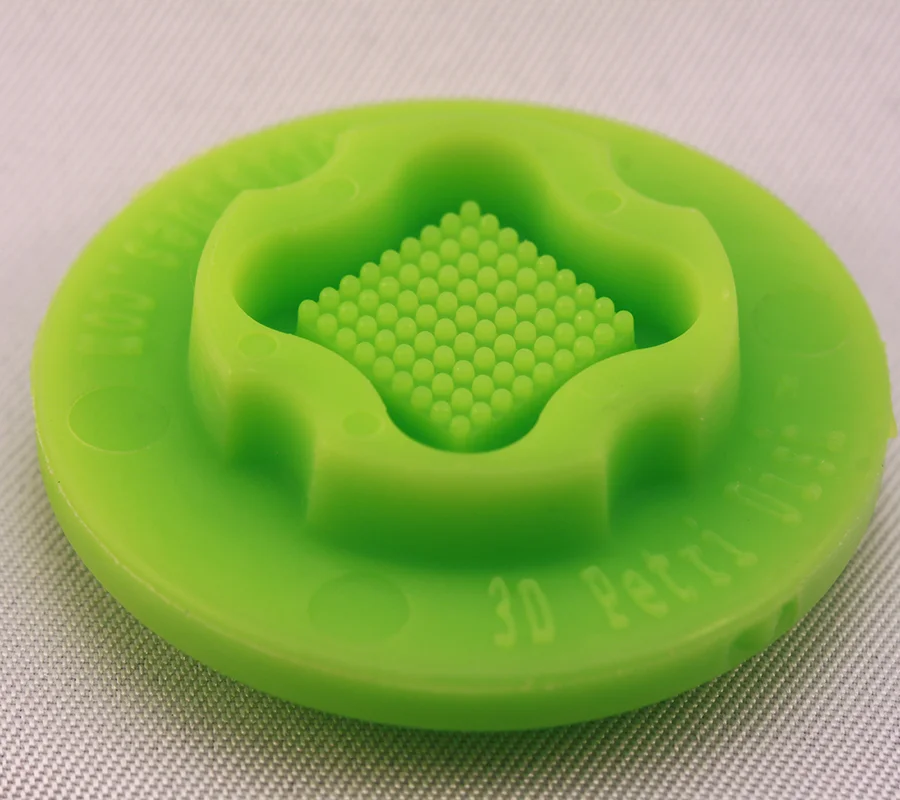
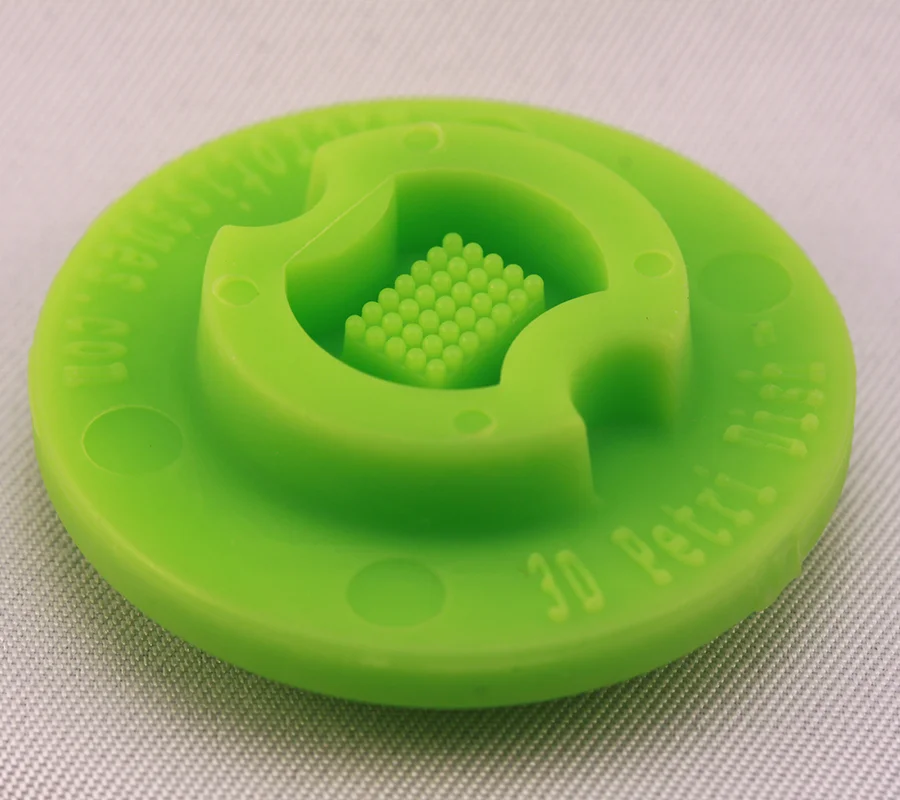
Published in Journal of Nanobiotechnology (2024), this peer-reviewed study used 3D Petri Dish® micro-molds to form scaffold-free 3D microtissues. Full citation: Zhang, Wenqiang, et al. Novel combination therapy using recombinant oncolytic adenovirus silk hydrogel and PD-L1 inhibitor for bladder cancer treatment
Novel combination therapy using recombinant oncolytic adenovirus silk hydrogel and PD-L1 inhibitor for bladder cancer treatment
Research Overview
Oncolytic adenovirus is a promising cancer therapy whose standalone efficacy remains limited. This study tested a combination approach for bladder cancer: recombinant oncolytic adenovirus delivered in a silk hydrogel, co-administered with a PD-L1 inhibitor.
Single-cell sequencing of mouse bladder tumor tissue identified CRB3 as a key gene in malignant cells, and in vitro work confirmed its inhibitory role by suppressing proliferation, migration, and invasion. Adenoviruses encoding CRB3 and GM-CSF were then constructed and encapsulated in silk hydrogel, pairing local sustained delivery with immune checkpoint blockade.
Key Discoveries
- Single-cell sequencing identified CRB3 as a key gene suppressing bladder cancer malignancy
- Oncolytic adenoviruses encoding CRB3 and GM-CSF encapsulated in silk hydrogel
- Combined local viral delivery with systemic PD-L1 checkpoint blockade