Summary
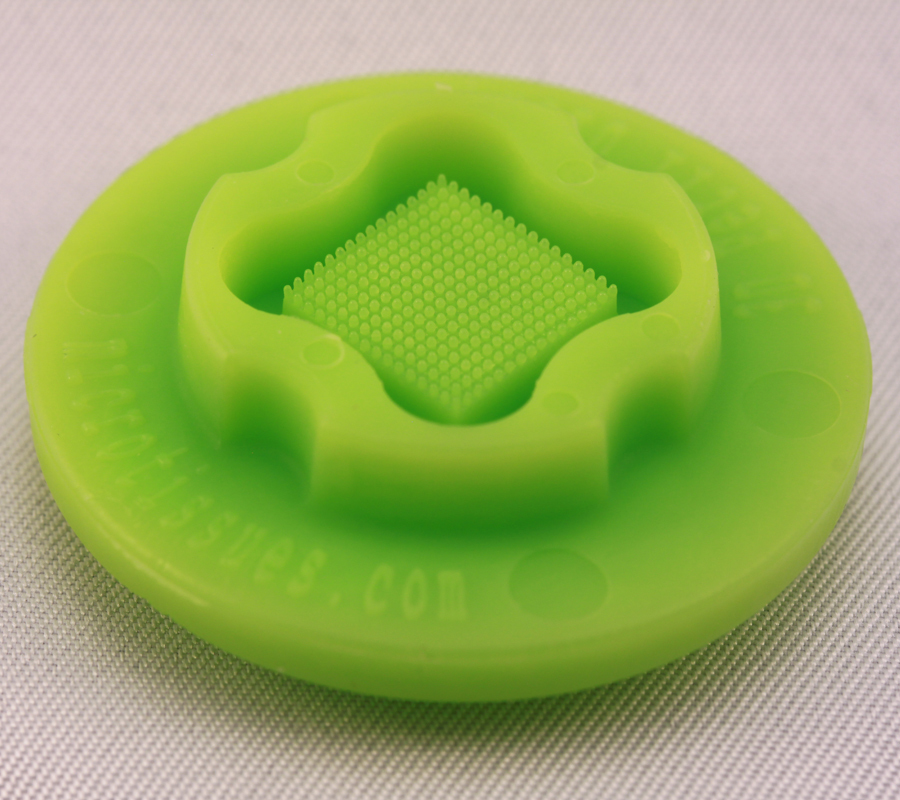
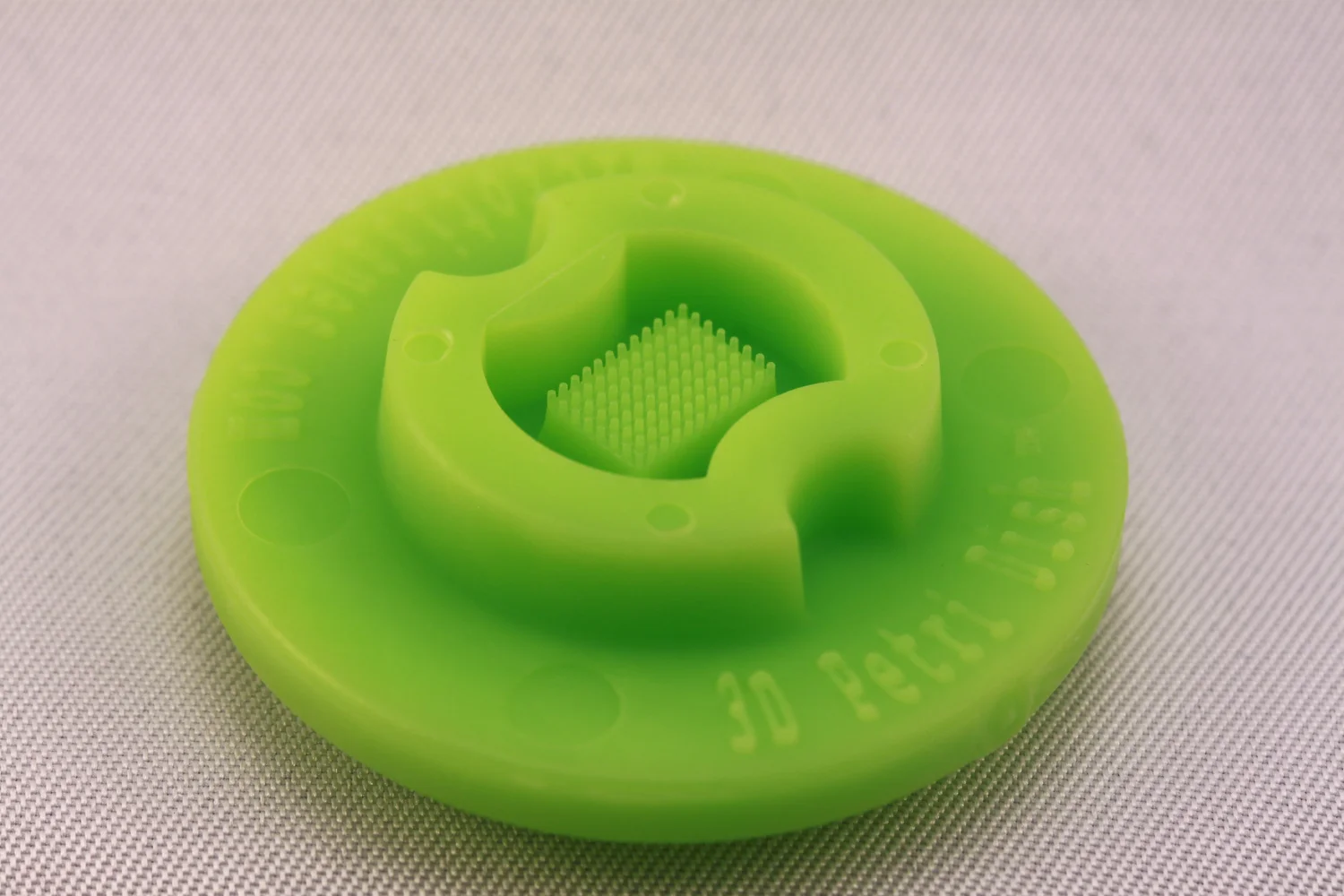
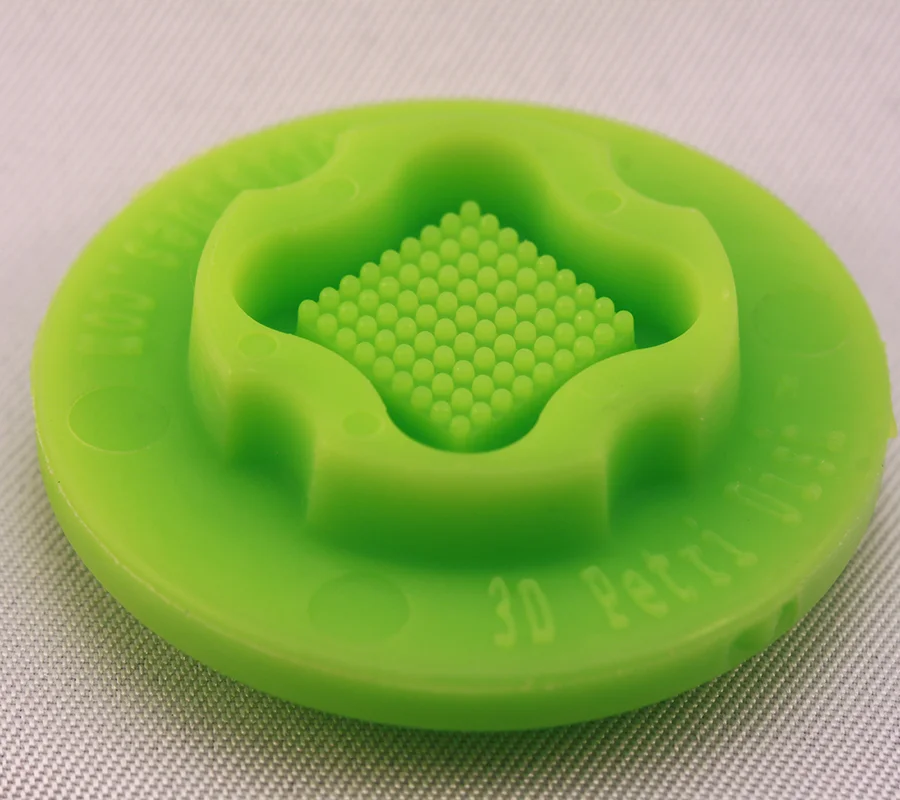
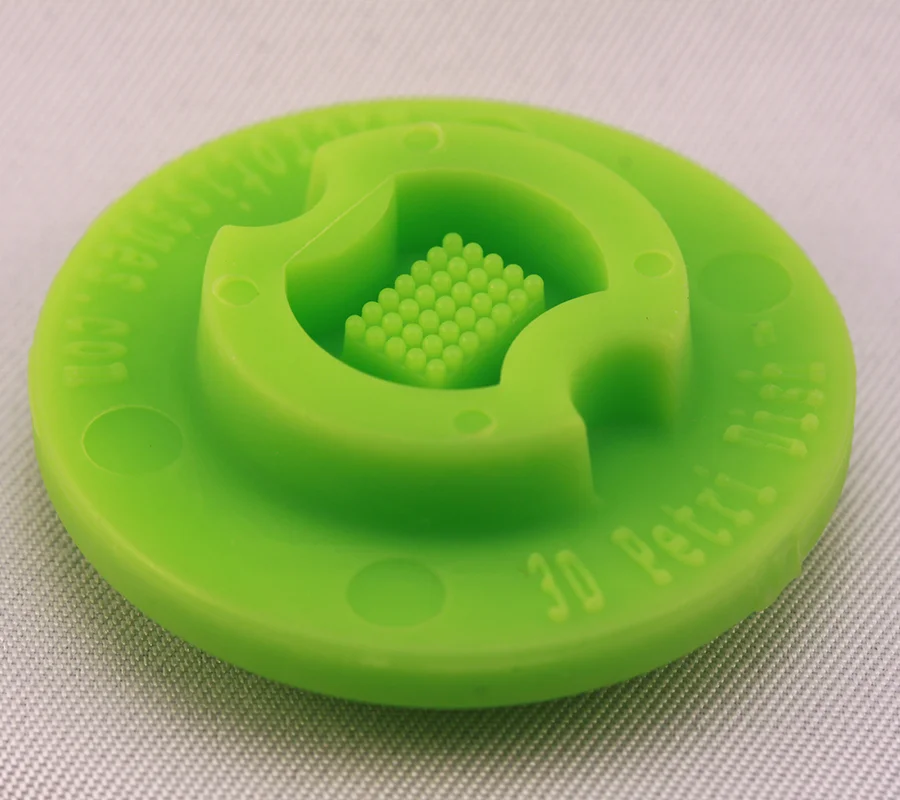
Published in Results in Chemistry (2024), this peer-reviewed study used 3D Petri Dish® micro-molds to form scaffold-free 3D microtissues. Full citation: Singh, Dalbir, et al. Phenylthiazolidin-4-one piperazine Conjugates: Design, Synthesis, anticancer and antimicrobial studies
Phenylthiazolidin-4-one piperazine Conjugates: Design, Synthesis, anticancer and antimicrobial studies
Research Overview
This study designed ten novel phenylthiazolidin-4-one glycinamide conjugates with piperazines by combining pharmacophoric features from previously reported anticancer hit molecules, then evaluated the designs for drug-likeness before synthesis, purification, and spectral characterization.
The compounds were tested against three cancer cell lines: HEP-G2 liver, MDA-MB-231 breast, and U87MG brain. Compound 7j showed the most encouraging antineoplastic activity, with IC50 values of 4.02 µM against MDA-MB-231 and 15.04 µM against HEP-G2 — comparable to the positive control.
Key Discoveries
- Ten phenylthiazolidin-4-one glycinamide-piperazine conjugates designed from known anticancer pharmacophores
- Compound 7j reached IC50 of 4.02 µM (breast) and 15.04 µM (liver), comparable to positive control
- Activity profiled across liver, breast, and brain cancer cell lines