Summary
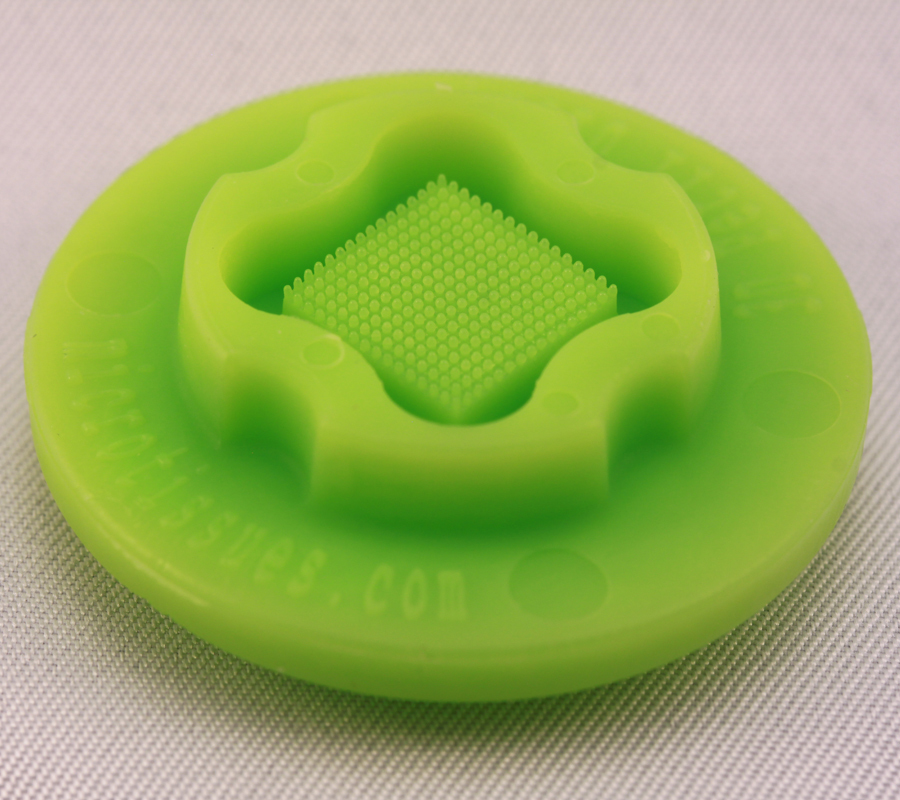
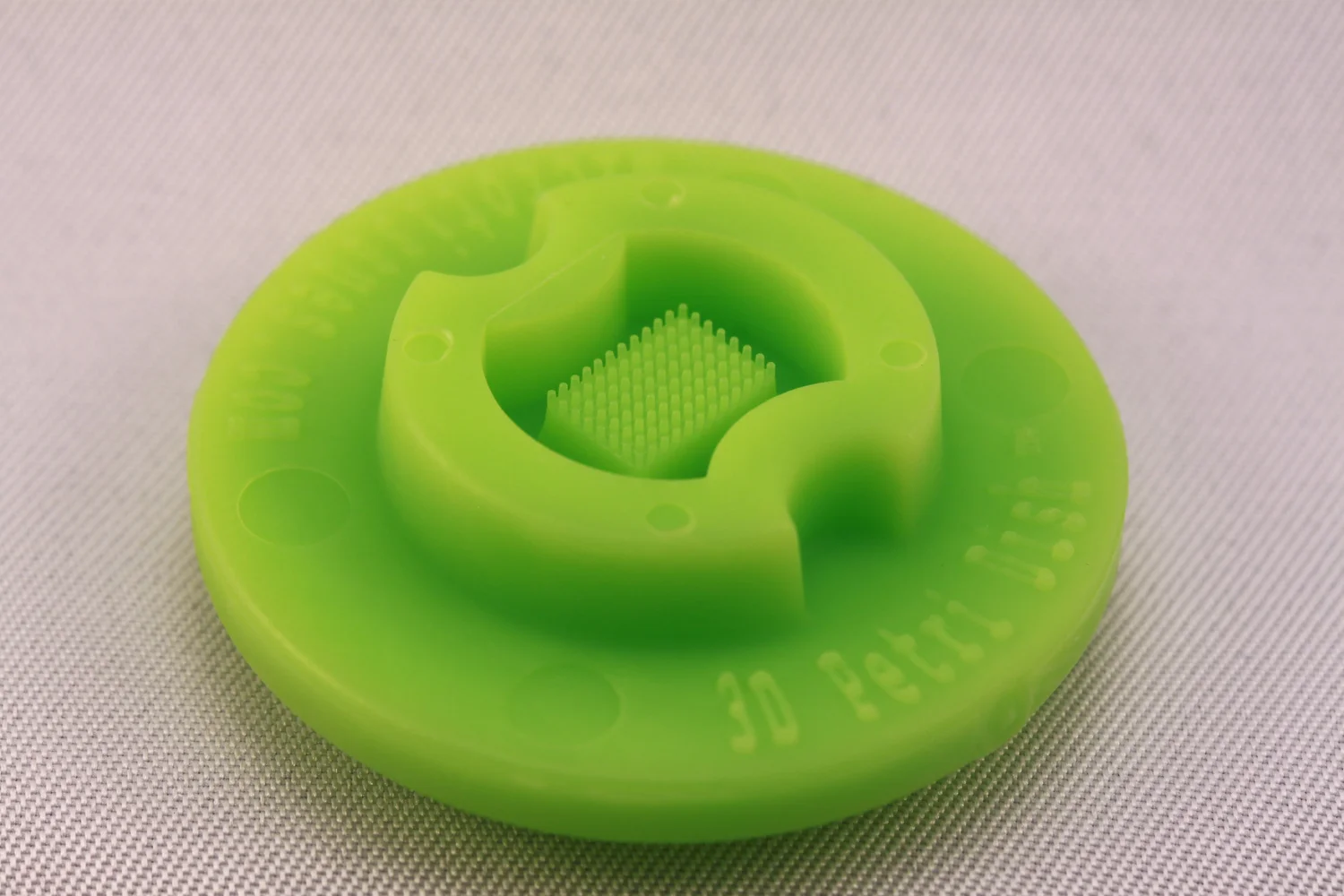
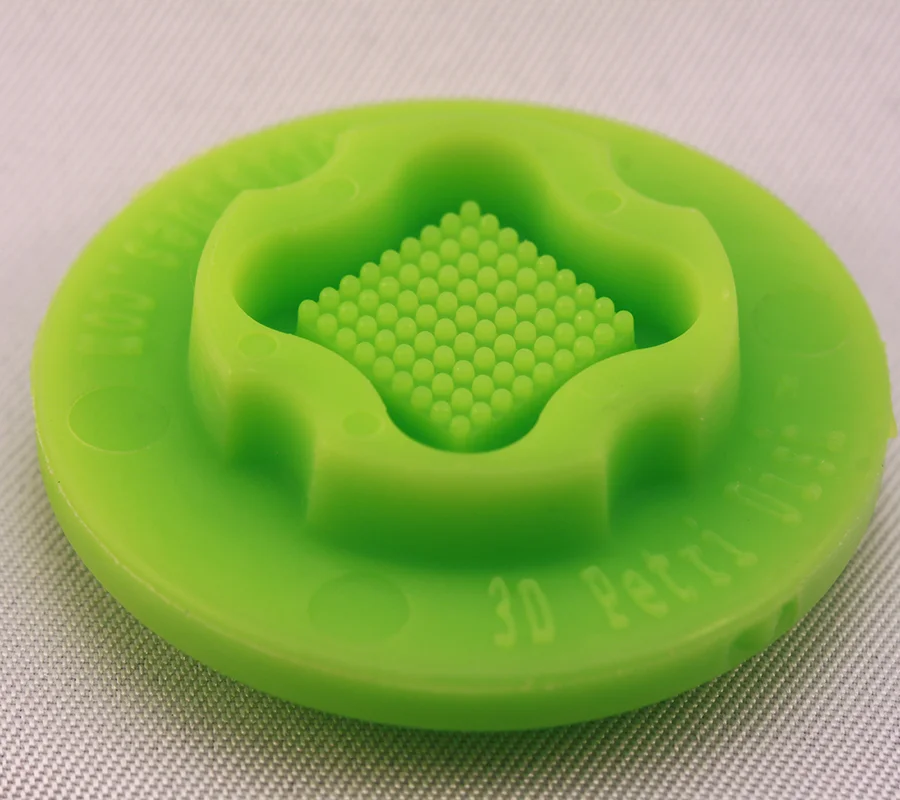
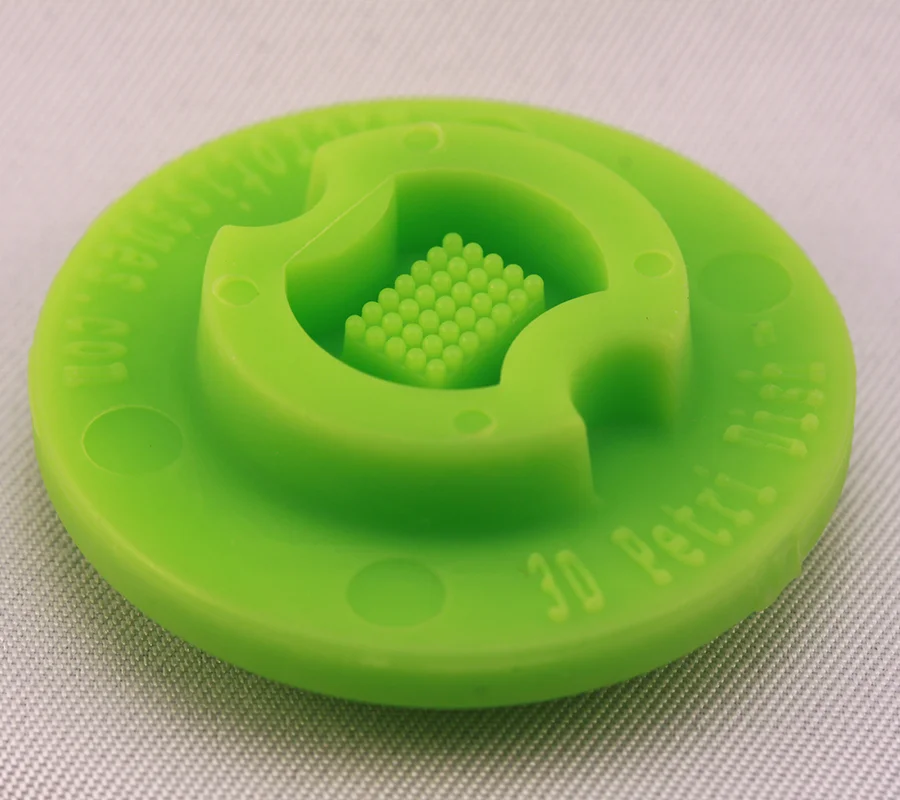
Published in Advanced Therapeutics (2023), this peer-reviewed study used 3D Petri Dish® micro-molds to form scaffold-free 3D microtissues. Full citation: Carvalho, Suzana, et al. Multicellular Quadruple Colorectal Cancer Spheroids as an In Vitro Tool for Antiangiogenic Potential Evaluation of Nanoparticles
Multicellular Quadruple Colorectal Cancer Spheroids as an In Vitro Tool for Antiangiogenic Potential Evaluation of Nanoparticles
Research Overview
Encapsulating the angiogenesis inhibitor bevacizumab in nanocarriers could improve colorectal cancer treatment while limiting side effects — but such nanomedicines are typically screened in simplistic models that miss the complexity of the tumor microenvironment.
This study proposed a multicellular colorectal cancer spheroid as an advanced preclinical model for screening antiangiogenic nanomedicines, establishing a quadruple co-culture combining HCT116 cancer cells, human pulmonary microvascular endothelial cells, fibroblasts, and additional stromal components to represent the heterogeneity that antiangiogenic therapy must overcome.
Key Discoveries
- Quadruple co-culture spheroid combines cancer, endothelial, fibroblast, and stromal cells
- Designed specifically to screen antiangiogenic nanomedicines like encapsulated bevacizumab
- Addresses the gap between simplistic preclinical screens and tumor microenvironment complexity