Summary
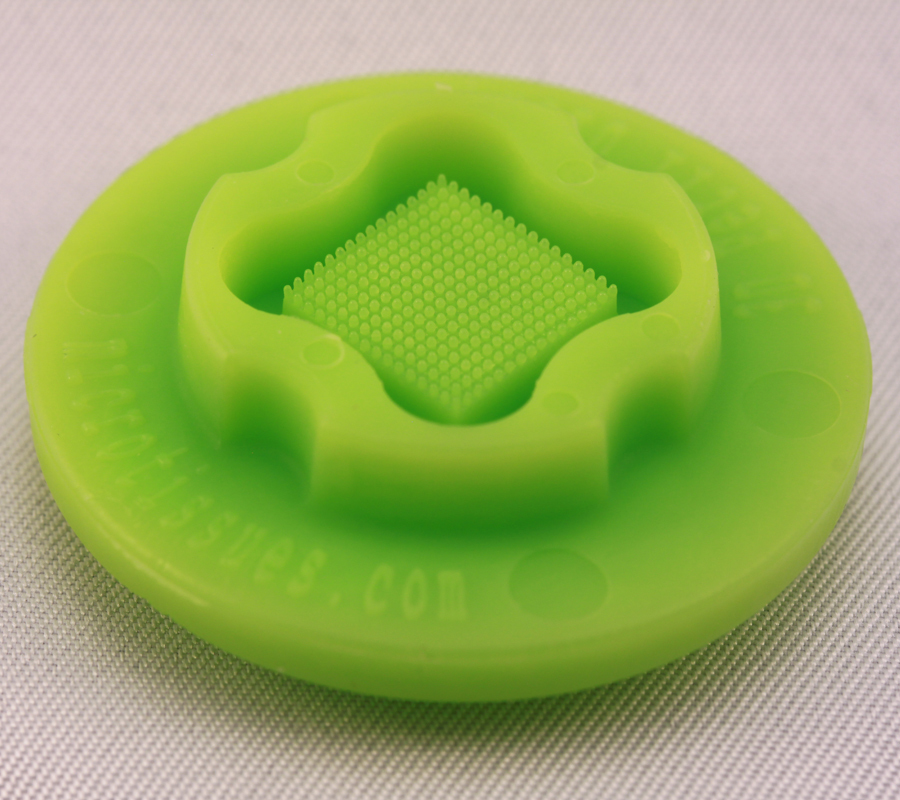
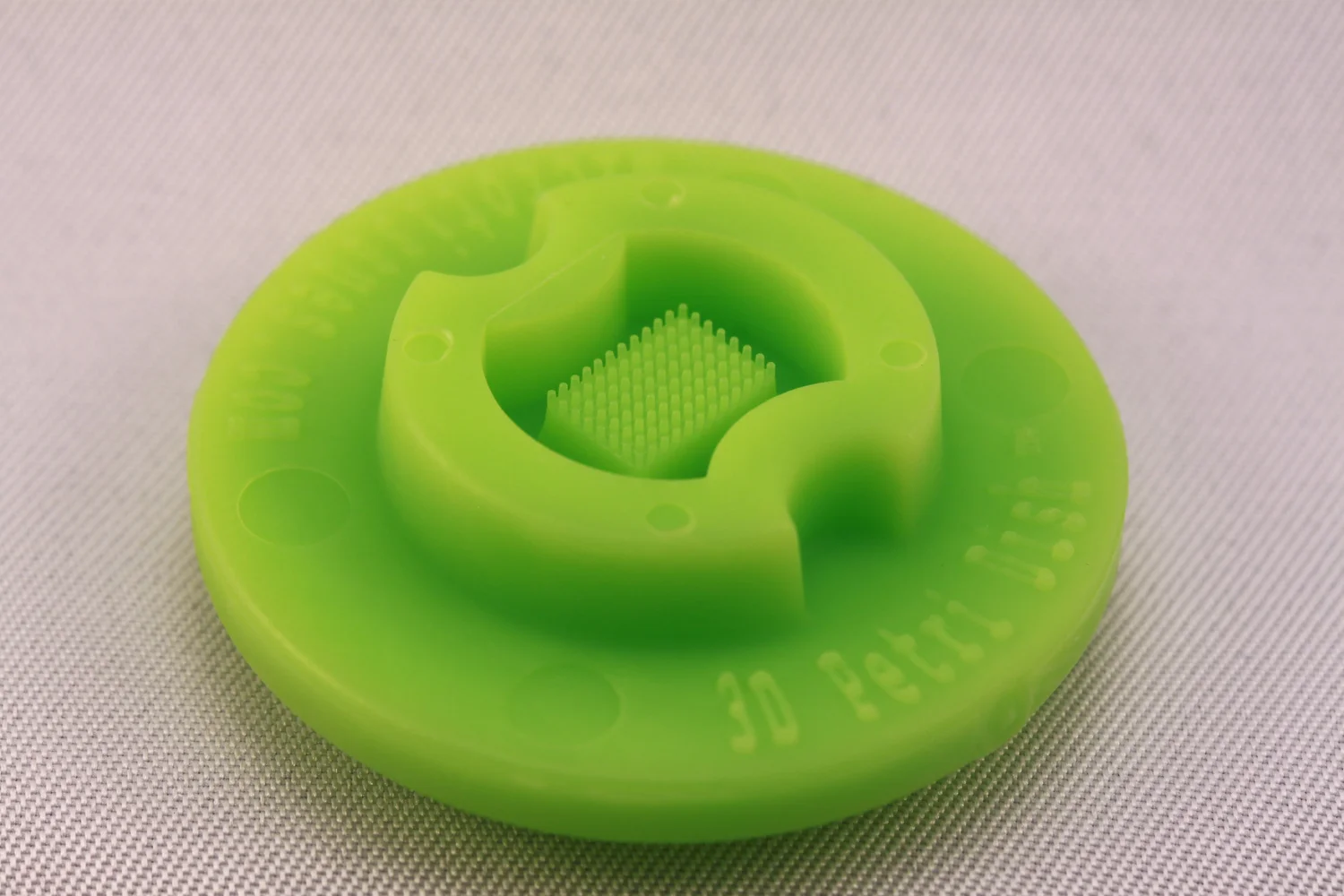
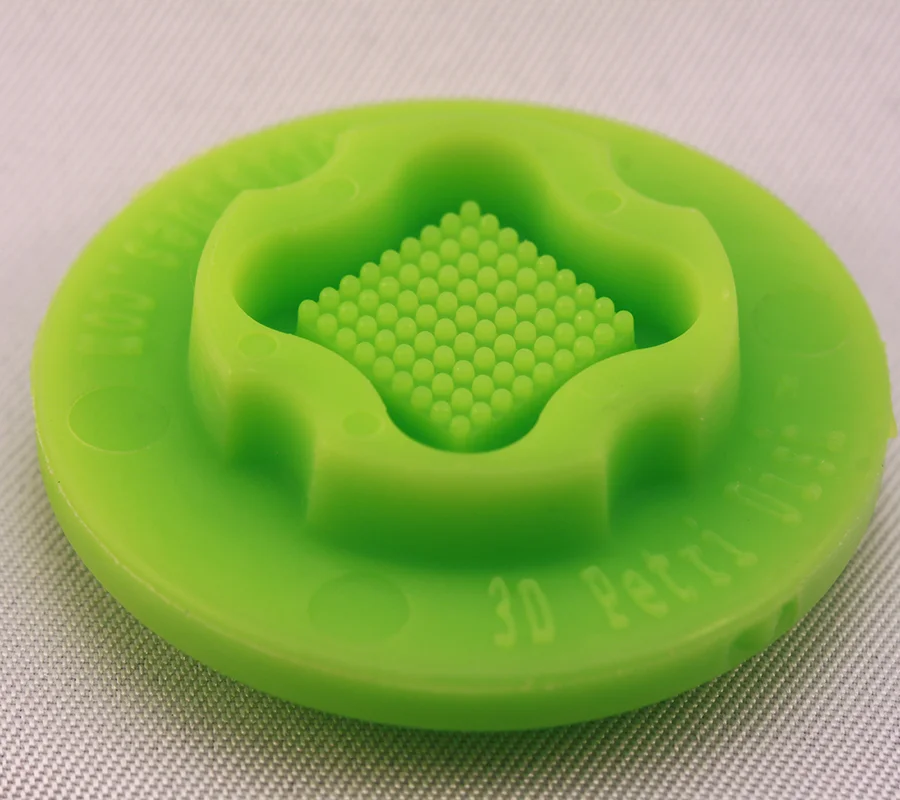
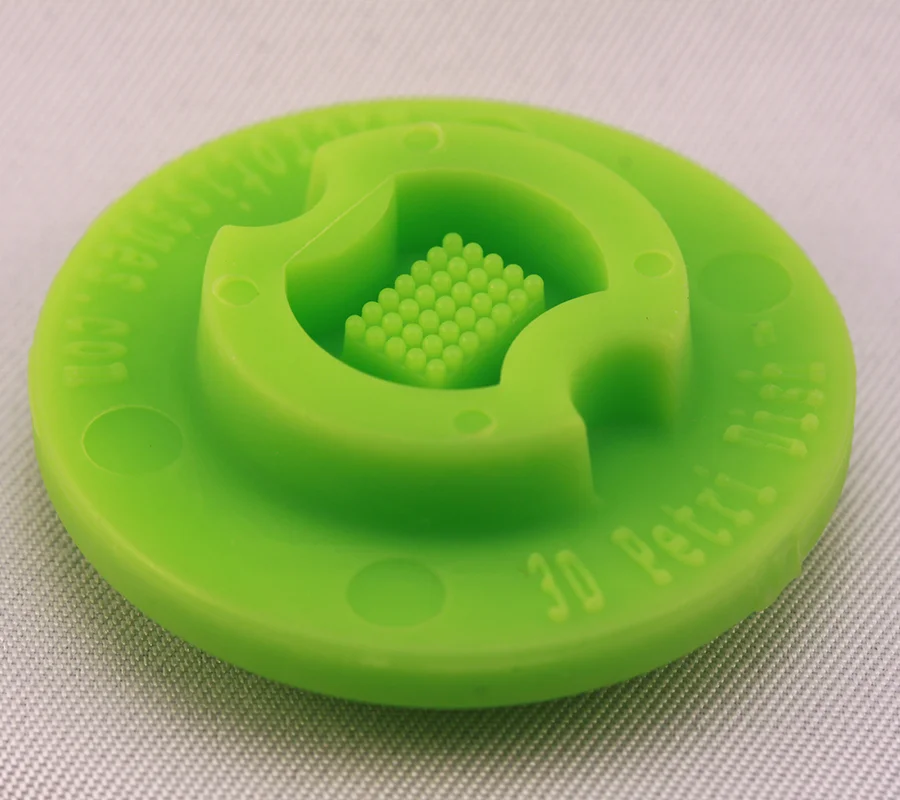
Published in Molecules (2018), this peer-reviewed study used 3D Petri Dish® micro-molds to form scaffold-free 3D microtissues. Full citation: Balmaña, Meritxell, et al. Multicellular Human Gastric Cancer Spheroids Mimic the Glycosylation Phenotype of Gastric Carcinomas
Multicellular Human Gastric Cancer Spheroids Mimic the Glycosylation Phenotype of Gastric Carcinomas
Research Overview
Glycosylation governs cell recognition, communication, and adhesion, and aberrant glycosylation drives malignant progression. To reproduce that biology in vitro, this study developed a high-throughput 3D spheroid culture methodology for gastric cancer cells.
Automated image analysis assessed spheroid size, morphology, and solidity, plus the impact of glycosylation inhibitors on spheroid formation. A detailed evaluation compared key glycans and glycoproteins displayed by the spheroids against the same cells grown conventionally — testing whether 3D culture better mimics the tumor glycosylation seen in patients.
Key Discoveries
- High-throughput 3D gastric cancer spheroid methodology with automated image analysis
- Glycosylation inhibitors tested for their impact on spheroid formation
- Glycans and glycoproteins compared between 3D spheroids and conventional culture