Summary
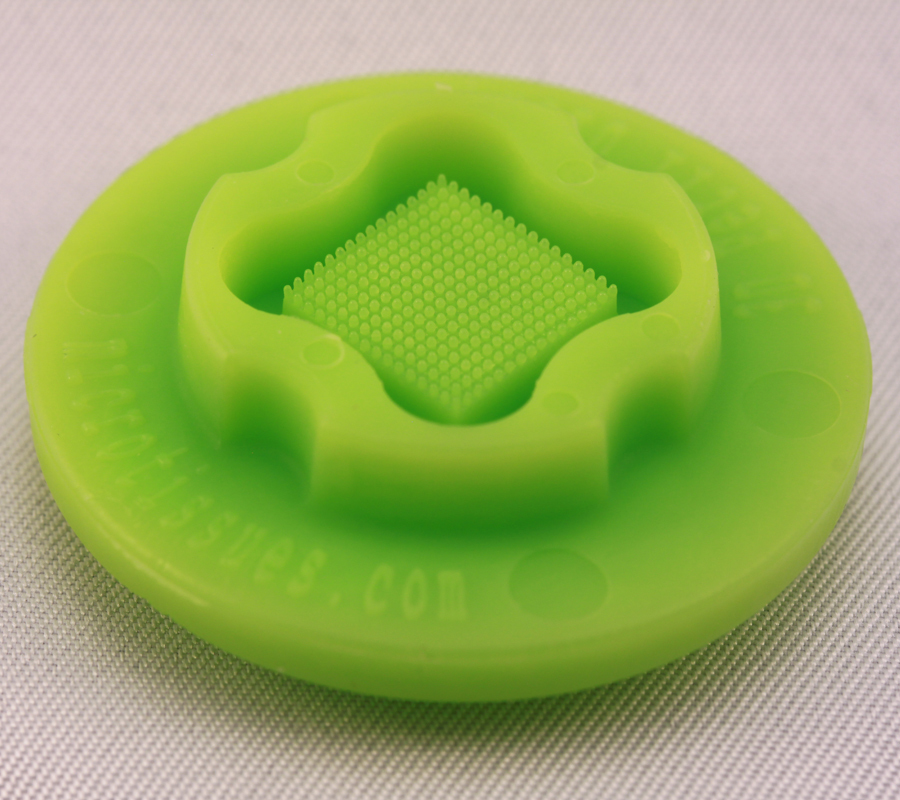
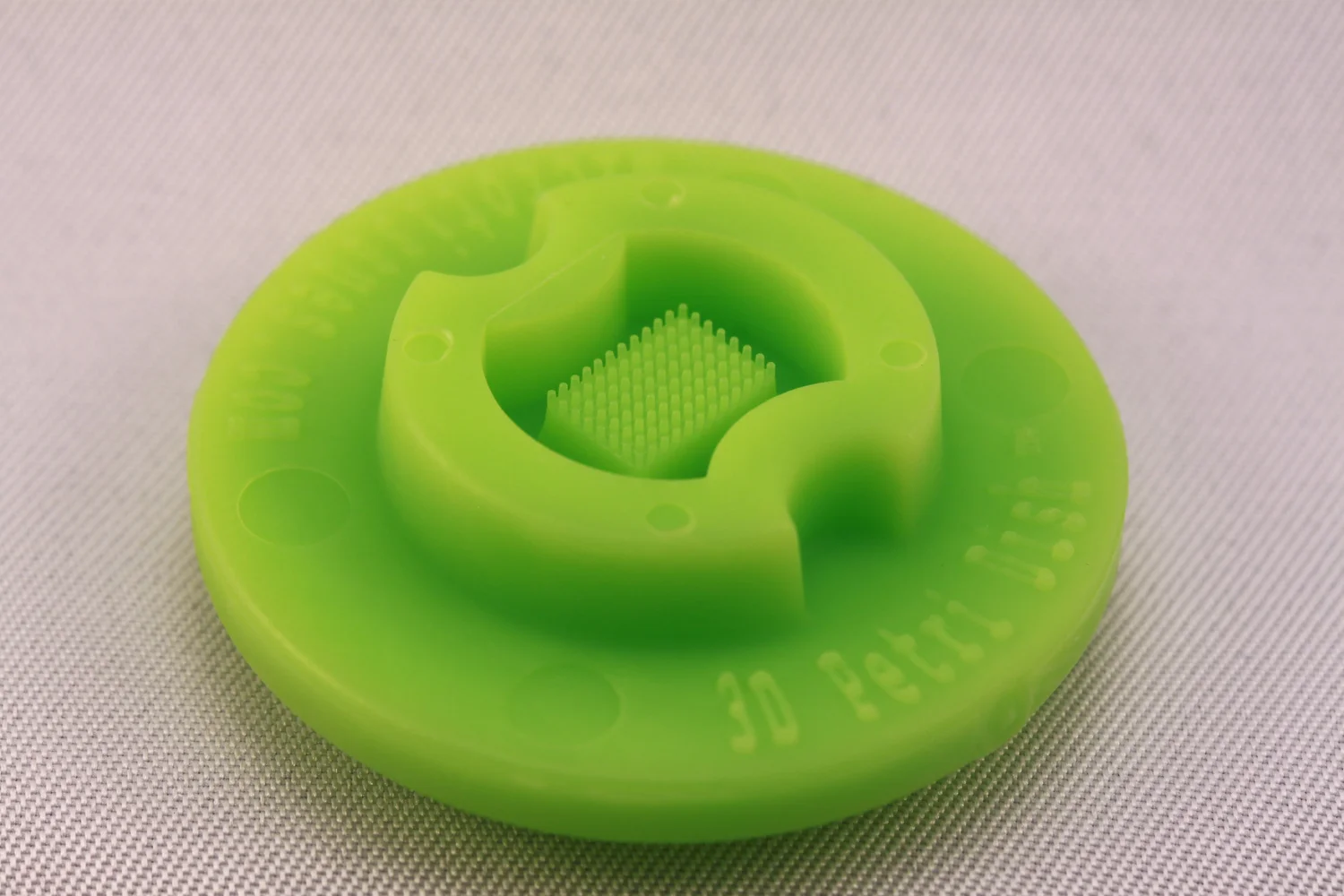
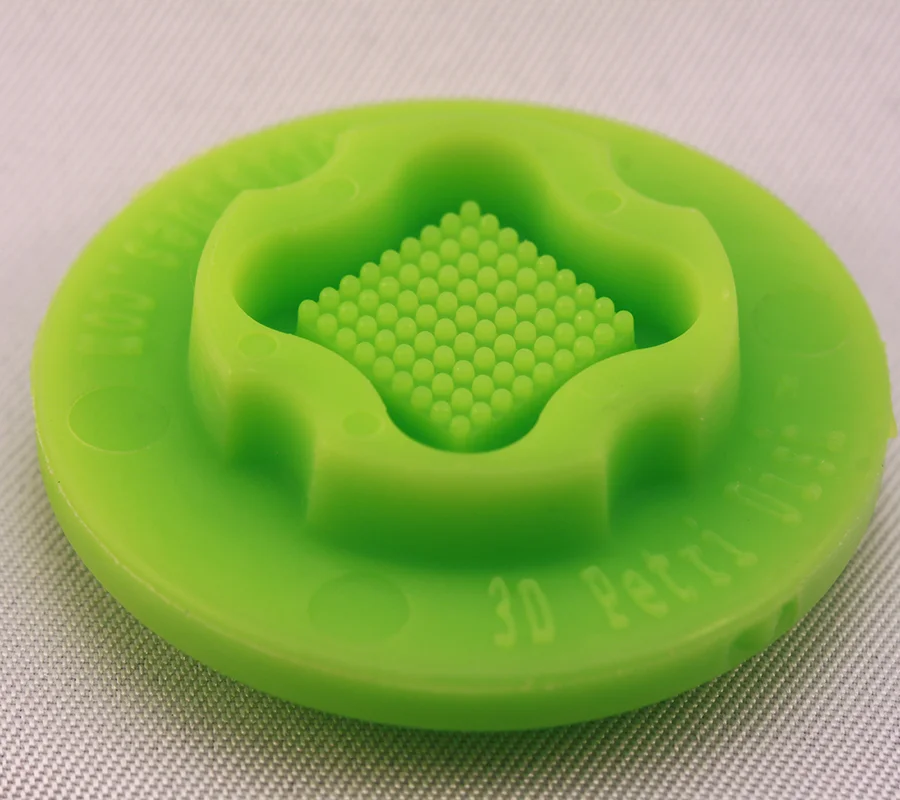
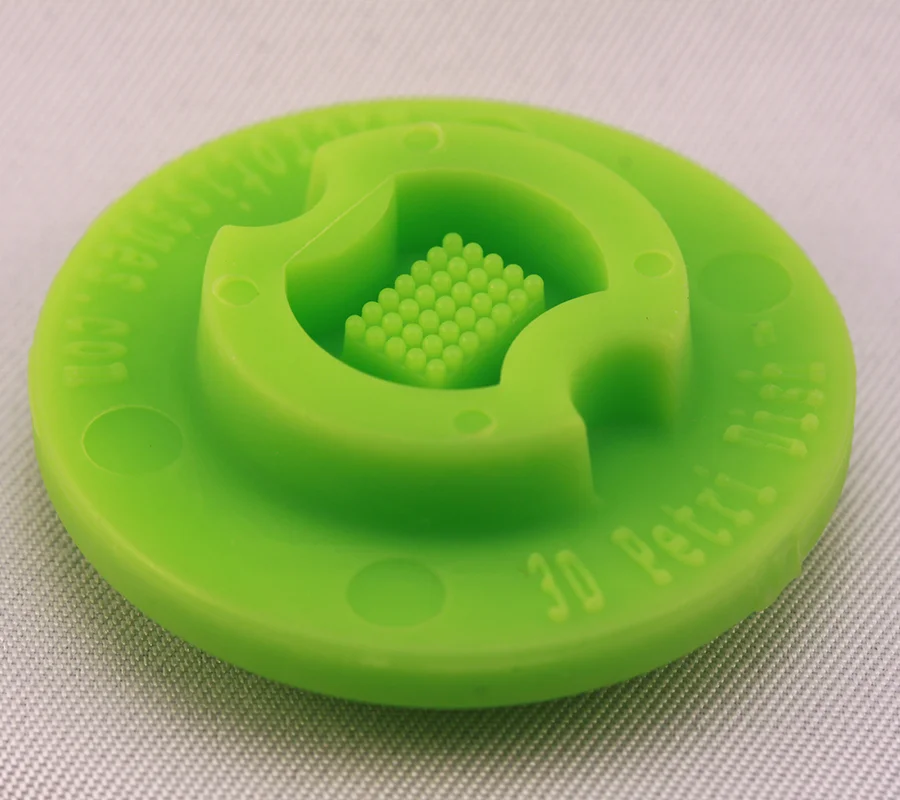
Published in Biomechanics and Modeling in Mechanobiology (2023), this peer-reviewed study used 3D Petri Dish® micro-molds to form scaffold-free 3D microtissues. Full citation: Brill-Karniely, Yifat, et al. Analyzing force measurements of multi-cellular clusters comprising indeterminate geometries
Analyzing force measurements of multi-cellular clusters comprising indeterminate geometries
Research Overview
Measuring the mechanical properties of multicellular clusters matters for biomedical applications, but the models have irregular geometries. Force-displacement data from parallel compression of tumor spheroids is traditionally analyzed by linear fitting — an assumption that becomes artificial when the contact geometry is not planar.
This study proposed integrated elasticity regression, extrapolated from established elastic theories for well-defined geometries. It is free, extremely simple to apply, and optimal for analyzing coarsely concave multicellular clusters — improving the reliability of spheroid mechanical measurements.
Key Discoveries
- Integrated elasticity regression proposed to replace linear fitting for compression data
- Method is free, simple, and suited to coarsely concave multicellular clusters
- Addresses artificial assumptions when spheroid contact geometry is non-planar