Summary
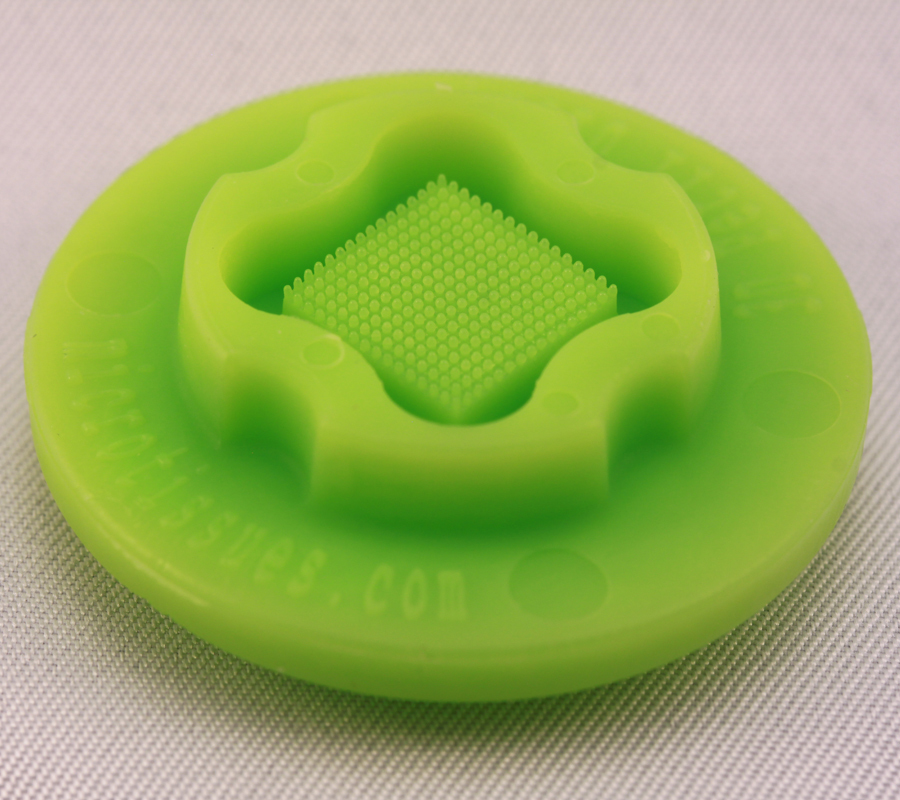
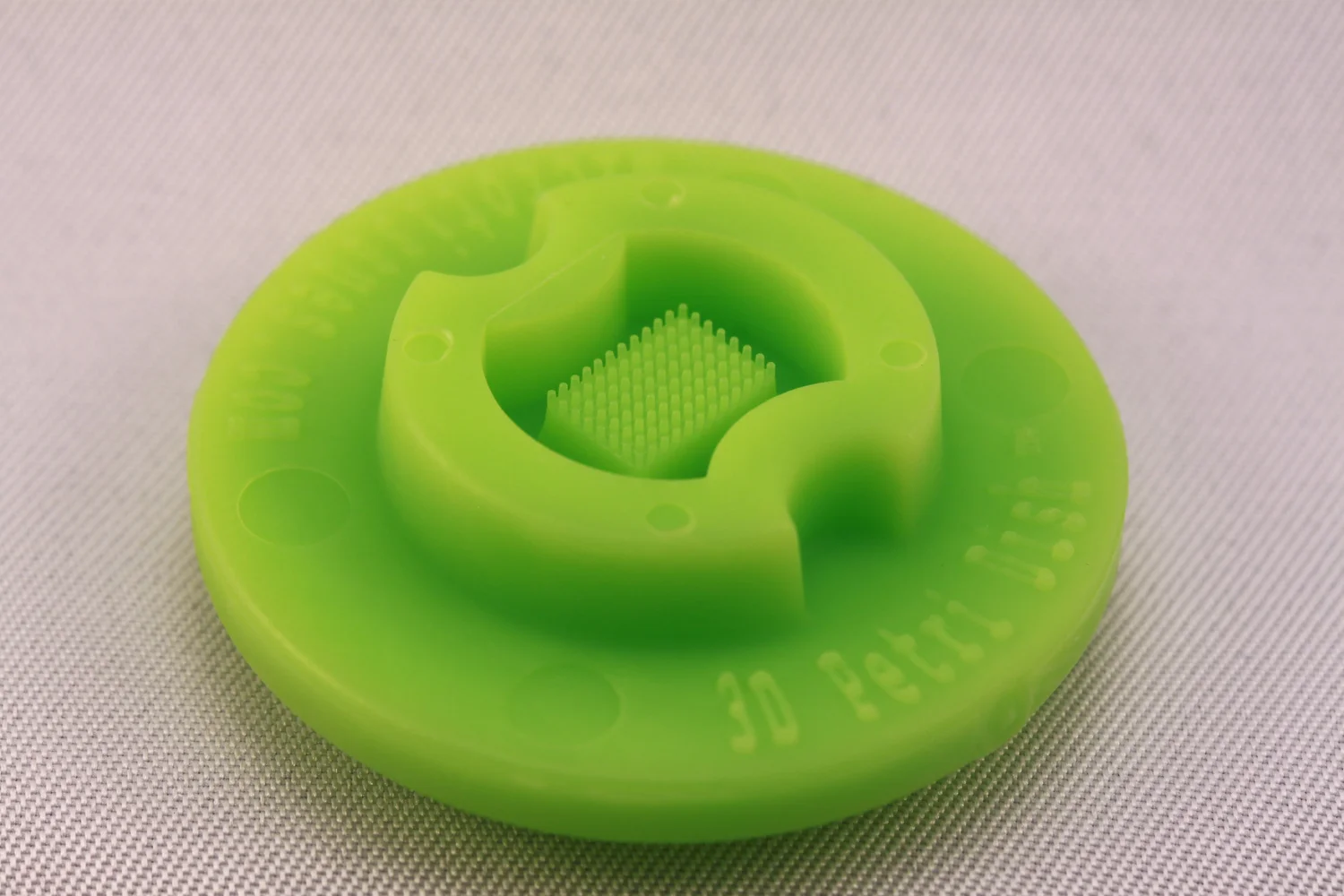
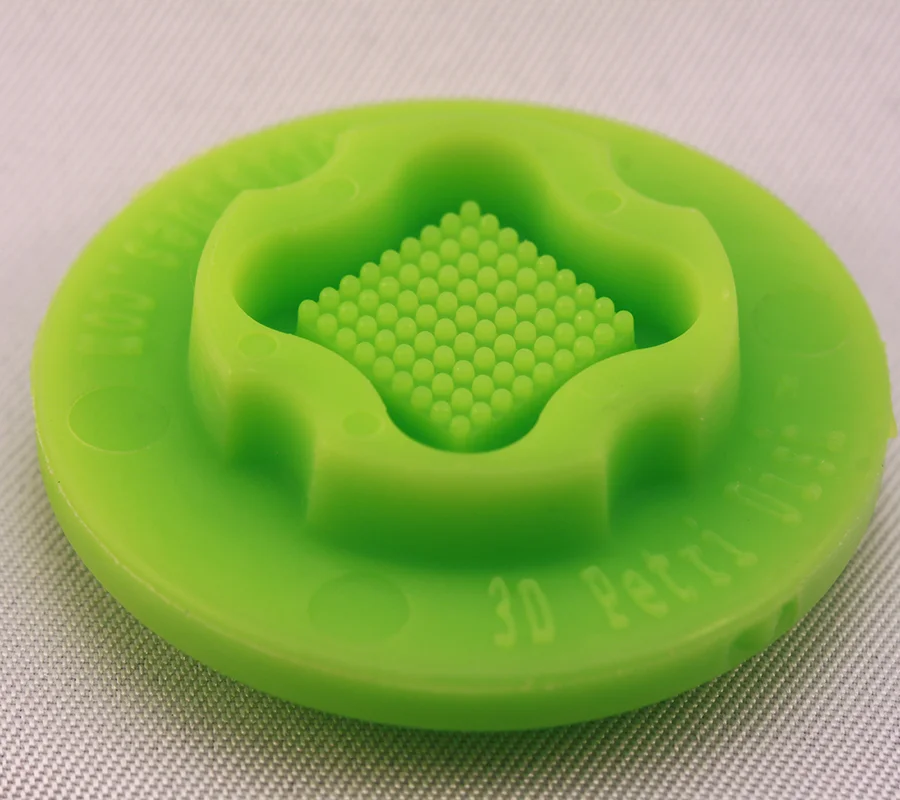
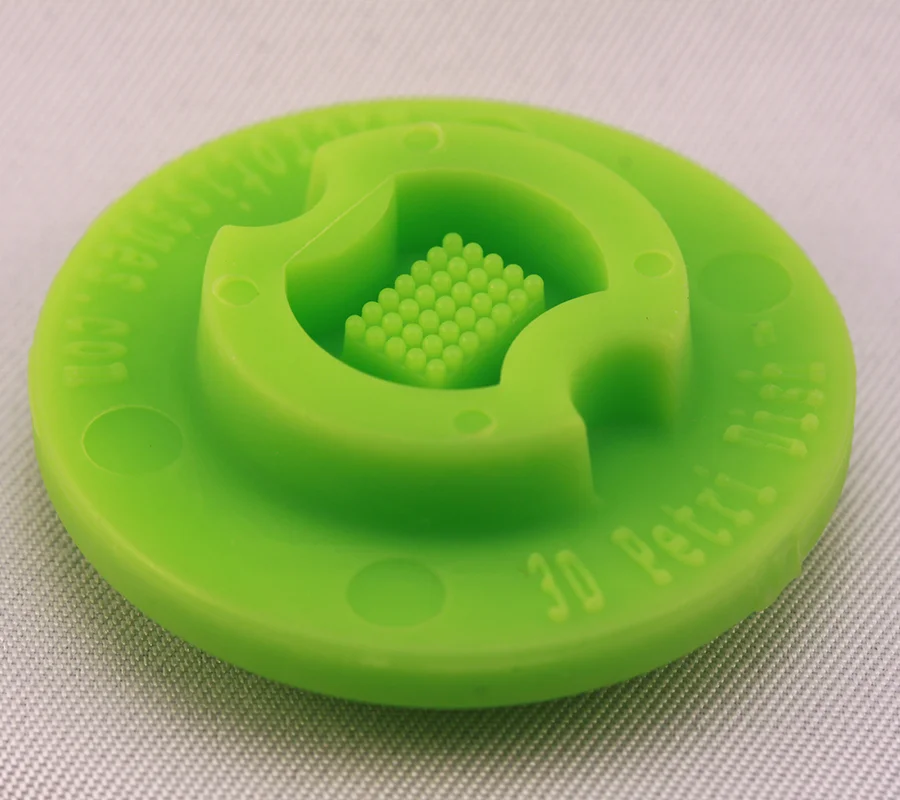
Published in Translational Oncology (2024), this peer-reviewed study used 3D Petri Dish® micro-molds to form scaffold-free 3D microtissues. Full citation: Huang, Bo, et al. MAPKAP1 orchestrates macrophage polarization and lipid metabolism in fatty liver-enhanced colorectal cancer
MAPKAP1 orchestrates macrophage polarization and lipid metabolism in fatty liver-enhanced colorectal cancer
Research Overview
This study investigated how fatty liver accelerates colorectal cancer, combining a high-fat-diet murine fatty liver model with AOM/DSS-induced colorectal cancer. Single-cell transcriptome sequencing identified MAPKAP1 as a critical gene promoting the cancer through M2 macrophage polarization and reprogrammed lipid metabolism, with prognostic significance confirmed in the TCGA colorectal cancer dataset.
In vitro and in vivo experiments showed that extracellular vesicles from fatty liver cells raised MAPKAP1 expression and accelerated cancer development and metastasis, while fatty acid inhibition countered the high-fat-diet effect — linking hepatic lipid state to tumor-promoting immune polarization.
Key Discoveries
- MAPKAP1 identified by single-cell sequencing as driving CRC via M2 macrophage polarization
- Extracellular vesicles from fatty liver cells raised MAPKAP1 and accelerated metastasis
- Prognostic relevance confirmed in the TCGA colorectal cancer dataset