Summary
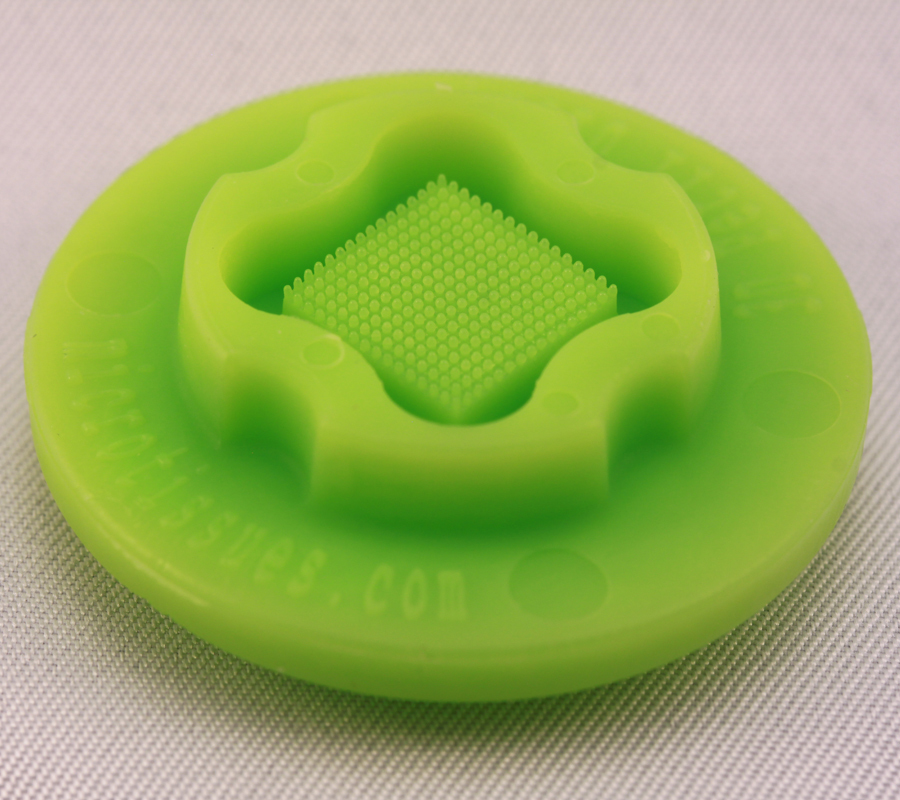
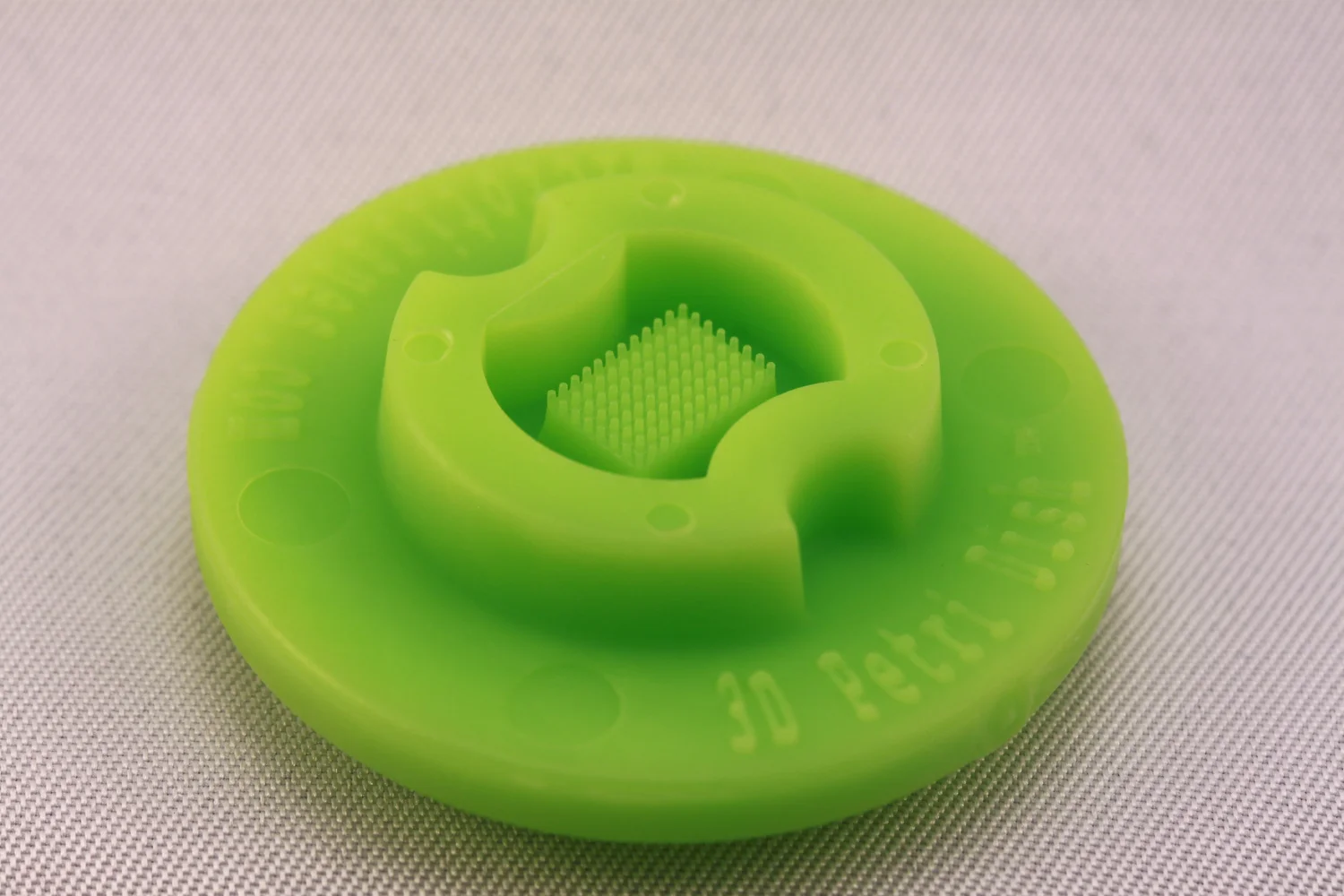
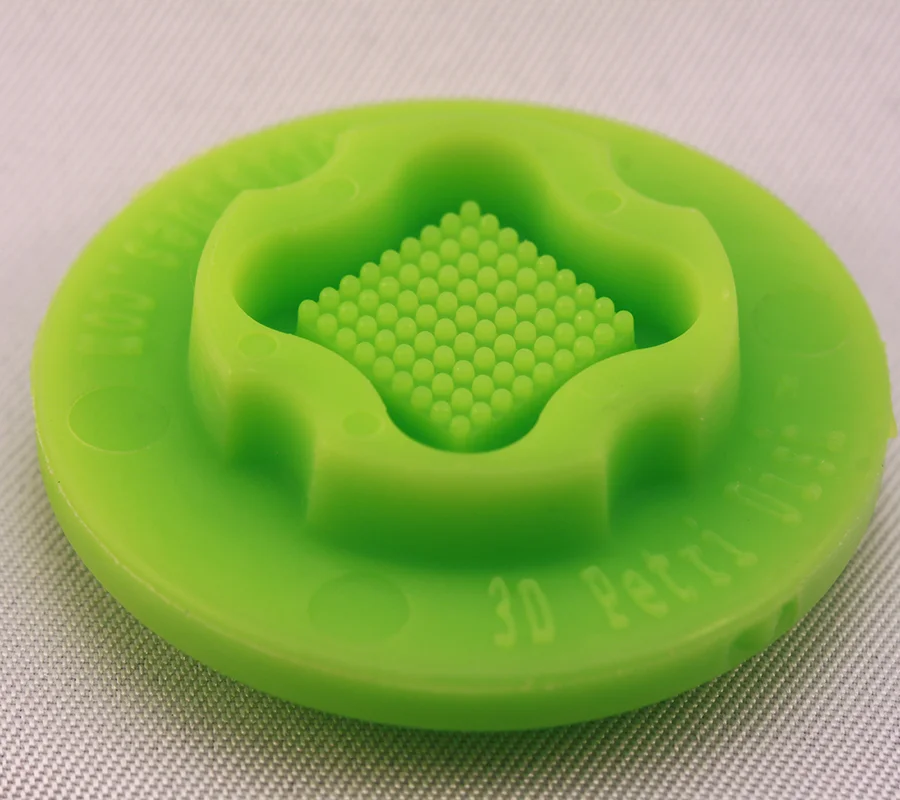
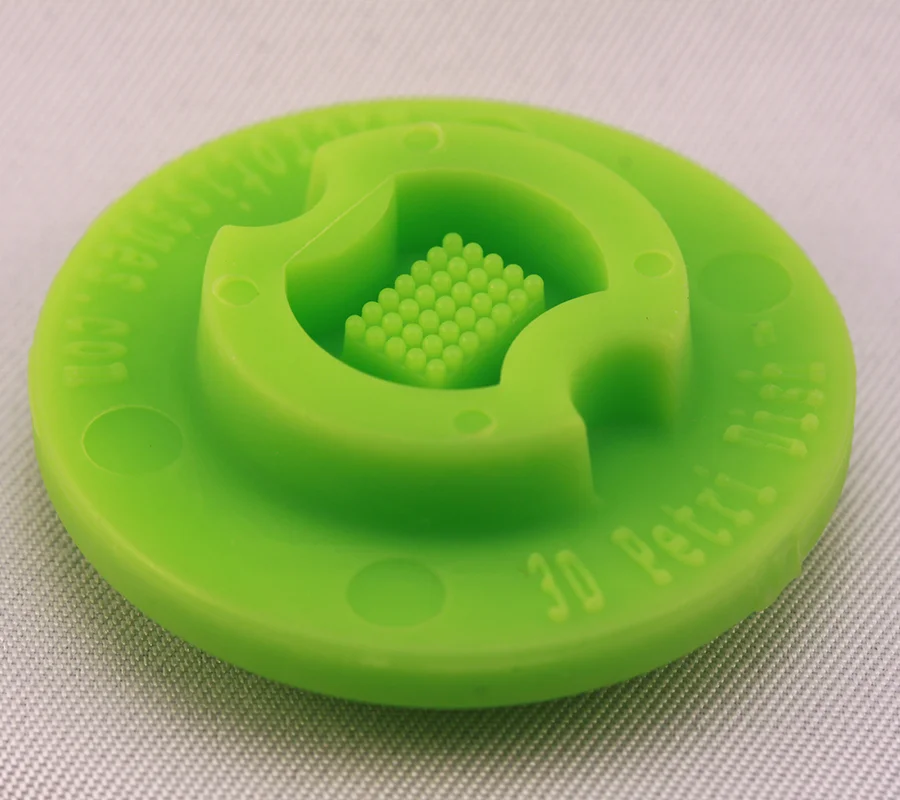
Published in Advanced Science (2021), this publication cites the 3D Petri Dish® micro-mold system rather than reporting its own experimental use of it. Full citation: Fang, Guocheng, et al. Mammary Tumor Organoid Culture in Non‐Adhesive Alginate for Luminal Mechanics and High‐Throughput Drug Screening
Mammary Tumor Organoid Culture in Non‐Adhesive Alginate for Luminal Mechanics and High‐Throughput Drug Screening
Research Overview
Mammary tumor organoids are promising for drug screening and personalized medicine, but their dependence on basement membrane extract as a growth matrix limits wider use. This study replaced that matrix with nonadhesive alginate, encapsulating mouse mammary tumor pieces and generating organoids at high throughput using microfluidic droplet technology to form alginate microbeads.
Tumor pieces inside the microbeads developed both luminal and solid structures with high similarity to the original fresh tumor in cellular phenotype and lineage, and the mechanical forces of luminal organoids in the capsules were analyzed using thick-wall pressure vessel theory.
Key Discoveries
- Nonadhesive alginate replaced basement membrane extract as the organoid growth matrix
- Microfluidic droplet technology enabled high-throughput organoid generation in microbeads
- Organoids retained the phenotypes and lineages of the original fresh tumor