Summary
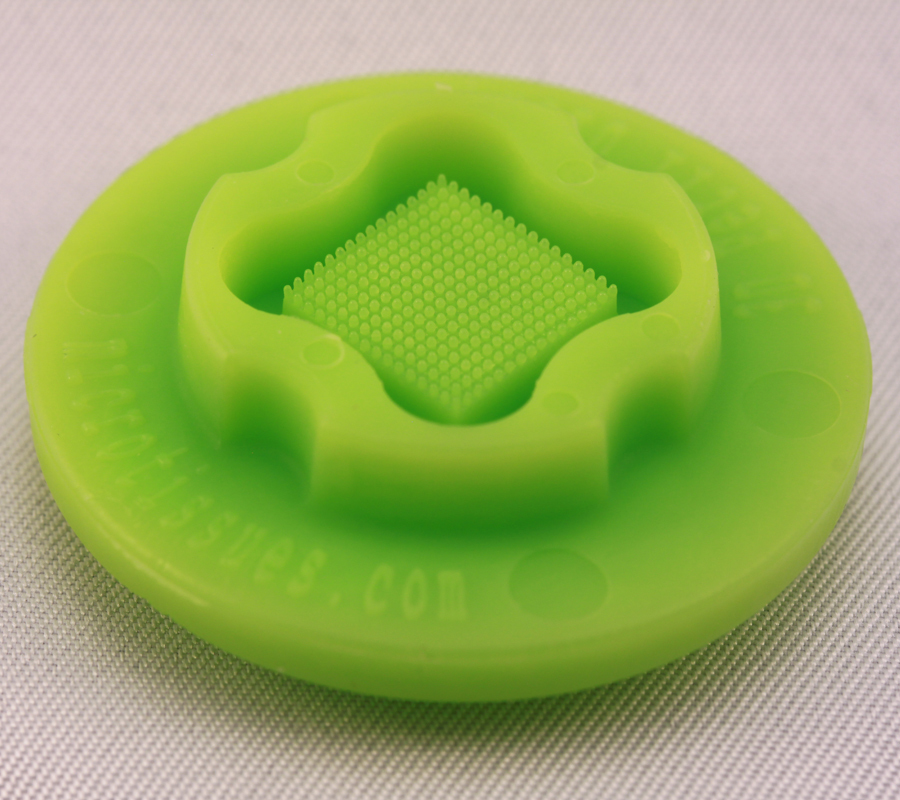
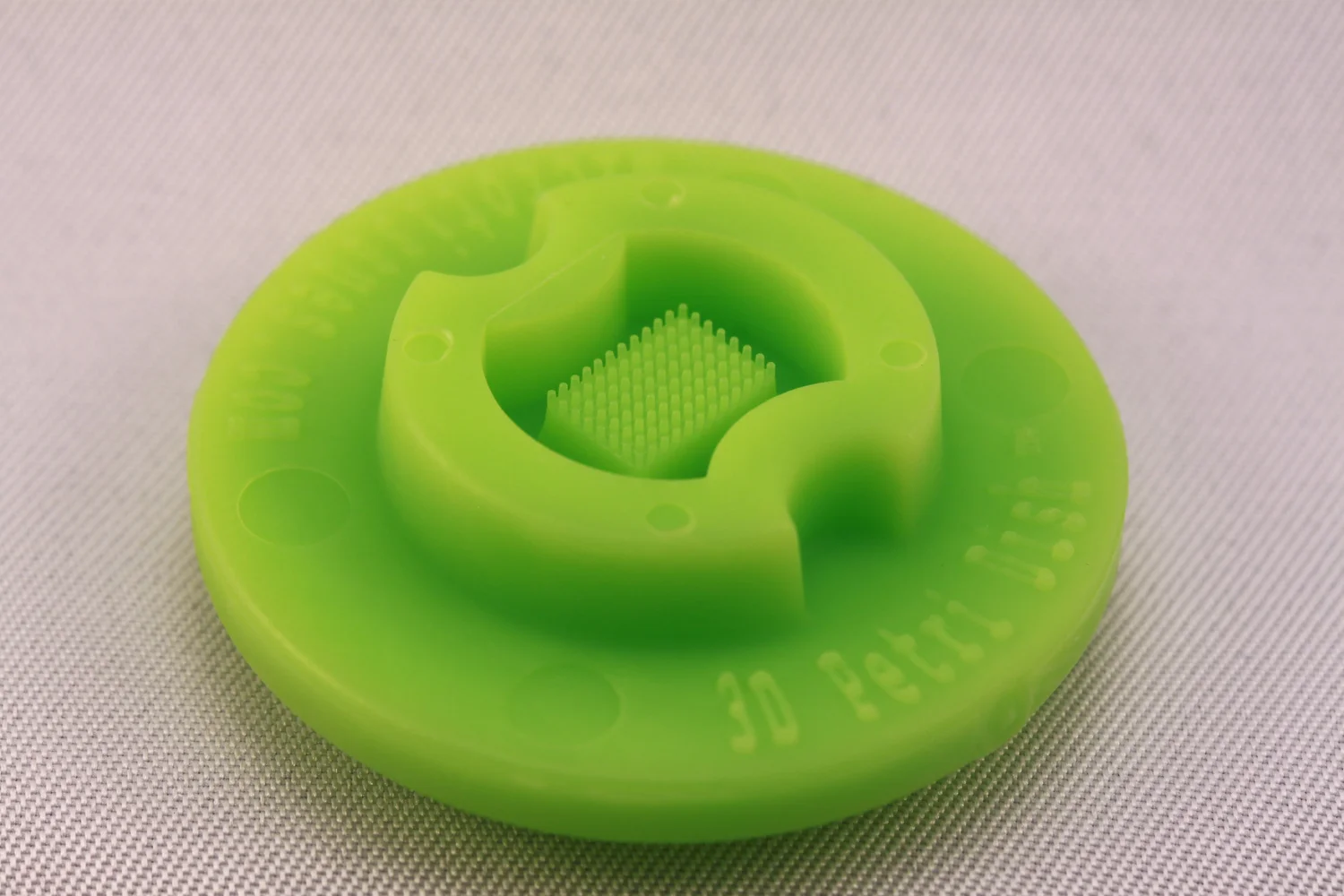
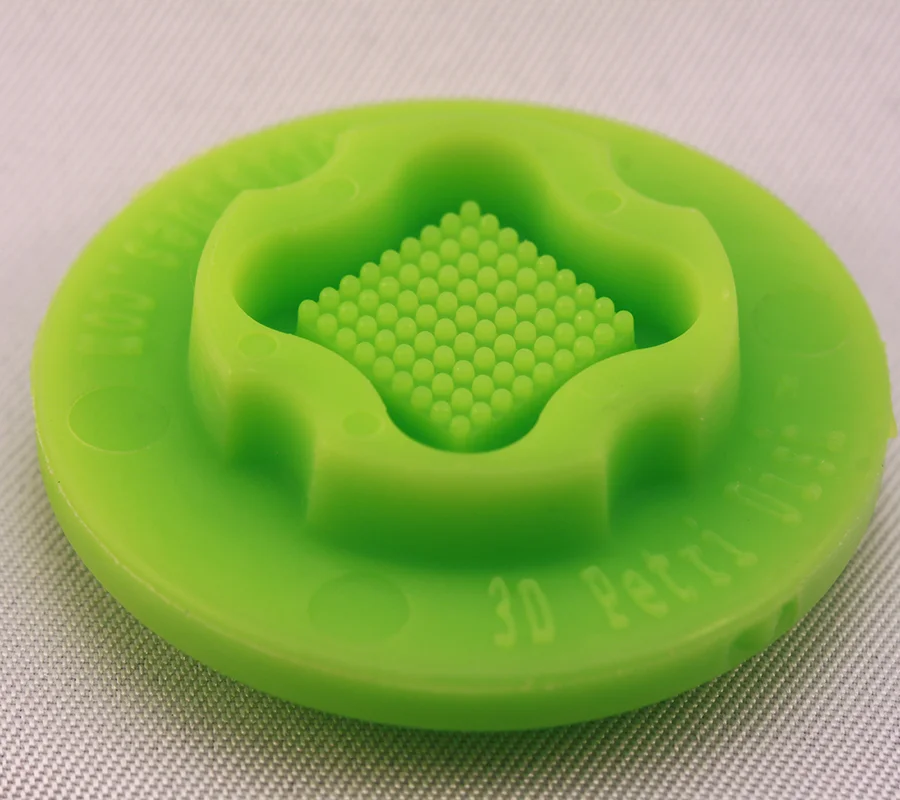
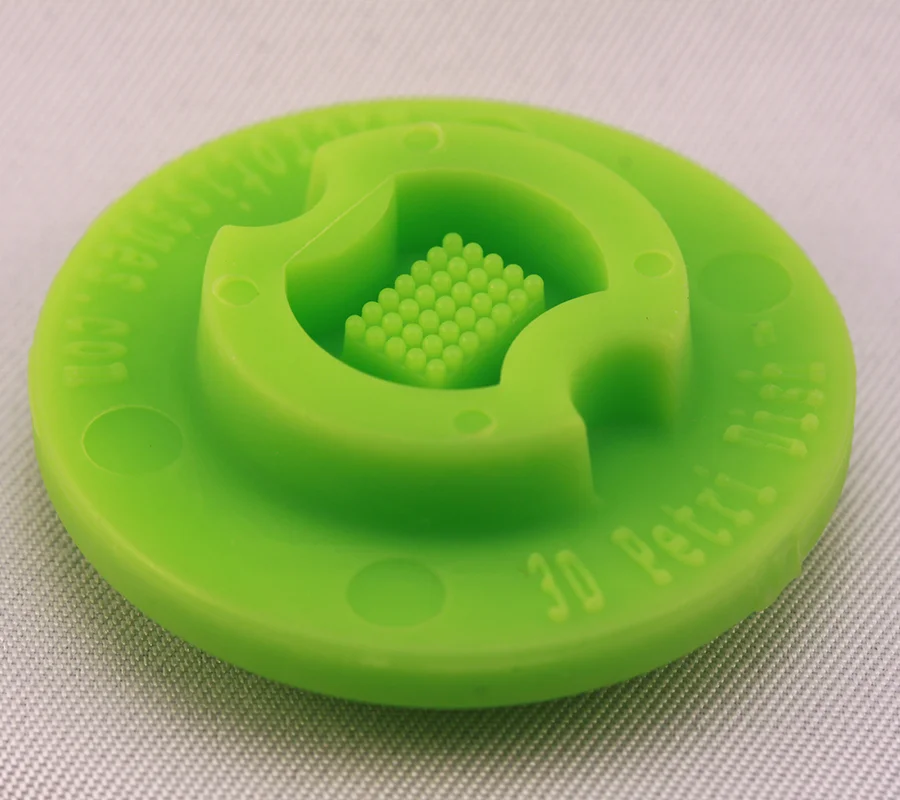
Published in Research Square (2024), this peer-reviewed study used 3D Petri Dish® micro-molds to form scaffold-free 3D microtissues. Full citation: Martins, Flávia, et al. KRAS silencing alters chromatin physical organization and transcriptional activity in colorectal cancer cells
KRAS silencing alters chromatin physical organization and transcriptional activity in colorectal cancer cells
Research Overview
KRAS-mutant tumors respond to treatment at first, then rapidly bypass KRAS dependence and become drug-tolerant — through mechanisms that have remained unclear. This study found that global chromatin reorganization is a recurrent, specific feature of KRAS-dependent cells that tolerate KRAS silencing.
After silencing, KRAS-dependent cells arrested in G0/G1 with a transcriptomic signature of quiescence. Proteomics showed upregulated chromatin-associated proteins and transcription-related processes. The cells shifted their euchromatin/heterochromatin balance, gained topologically associating domains, and altered the nanoscale physical organization of chromatin, notably by downregulating chromatin packing domains.
Key Discoveries
- KRAS-silencing-tolerant cells entered G0/G1 arrest with a quiescence transcriptomic signature
- Chromatin-associated proteins were upregulated and euchromatin/heterochromatin states shifted
- Cells gained TADs and downregulated chromatin packing domains at the nanoscale