Summary
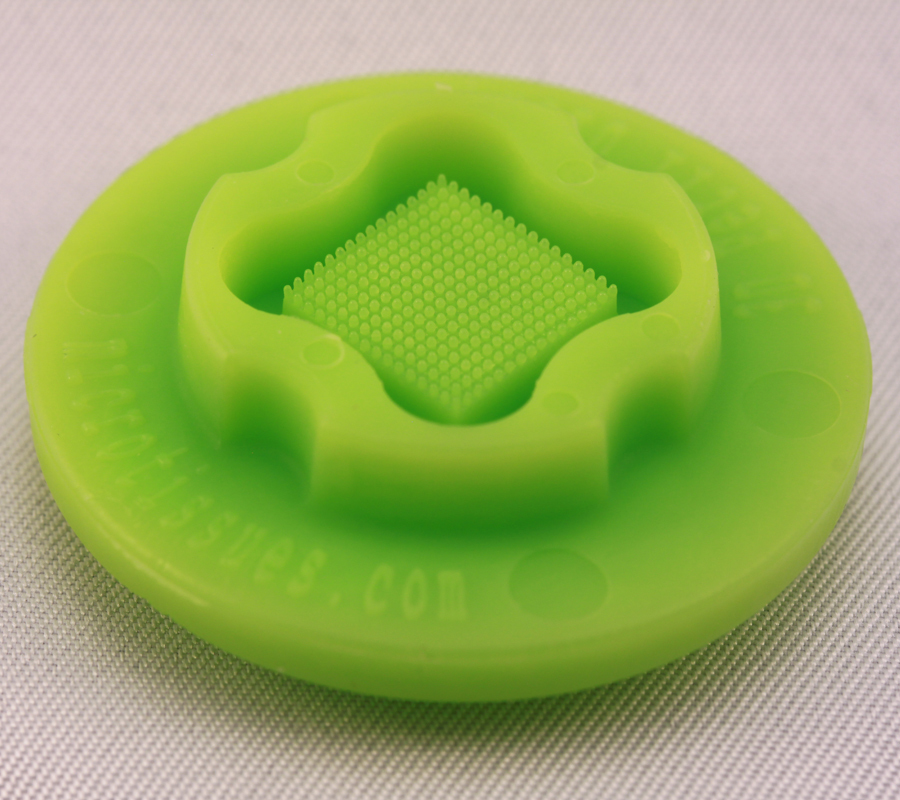
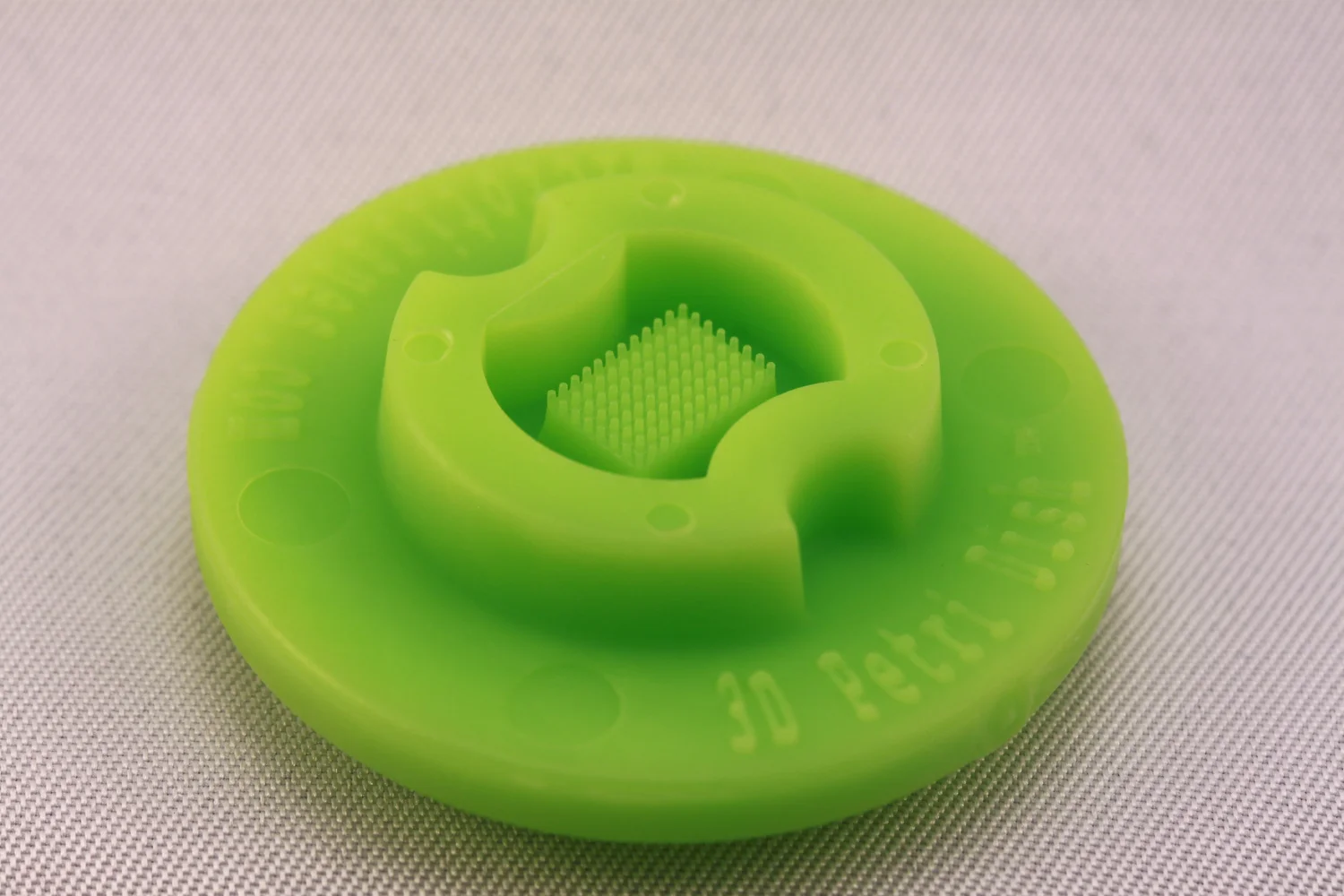
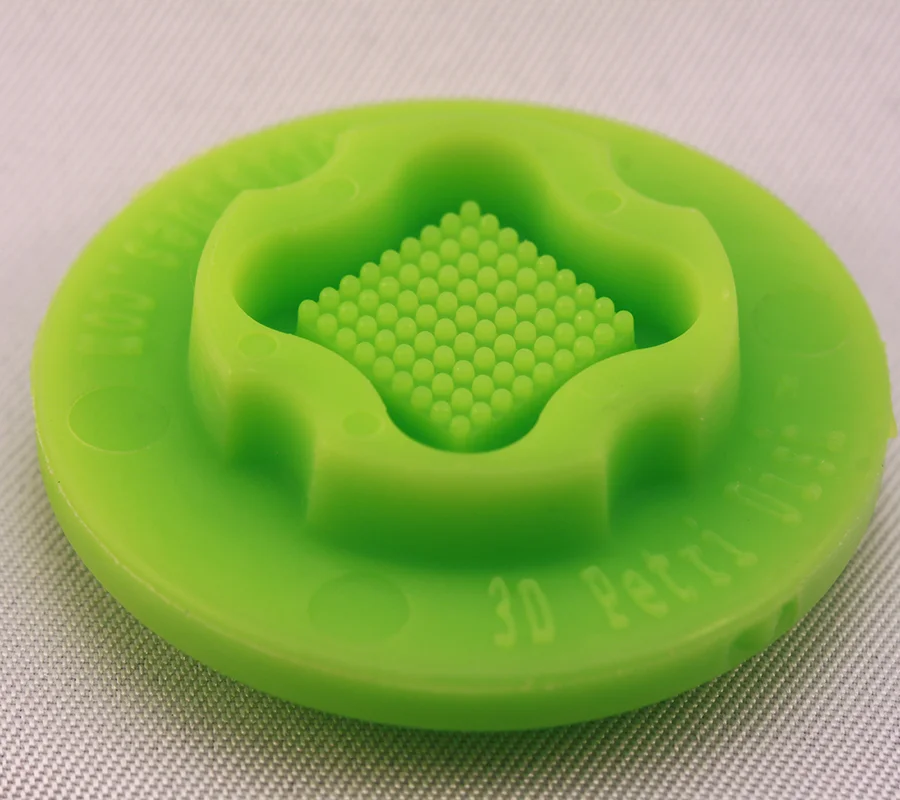
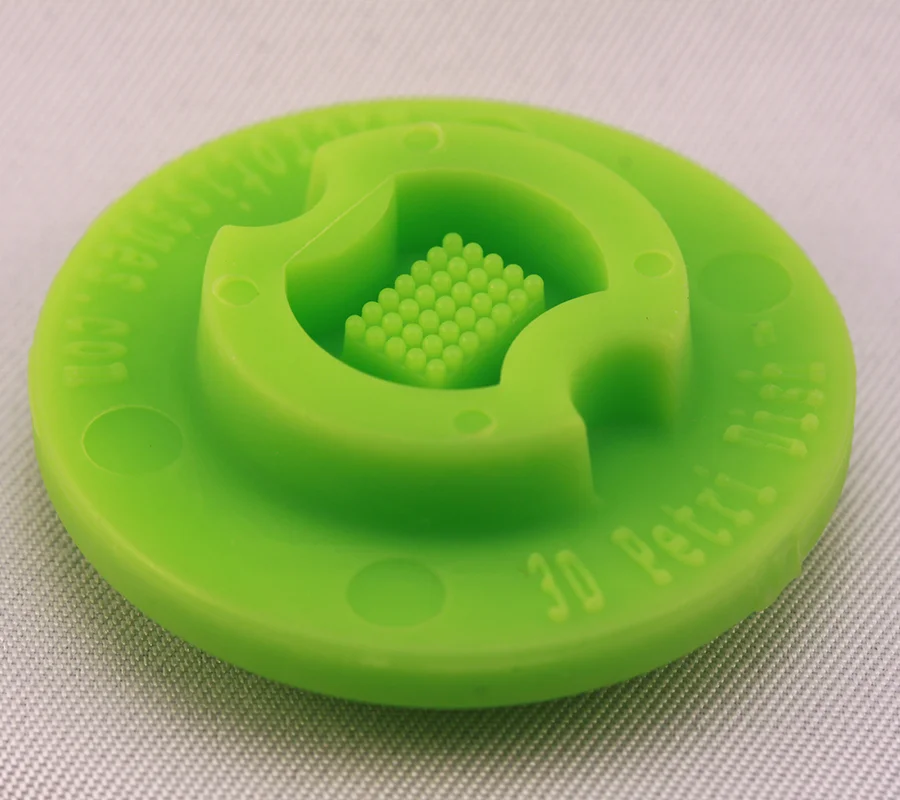
Published in Oncogenesis (2024), this peer-reviewed study used 3D Petri Dish® micro-molds to form scaffold-free 3D microtissues. Full citation: Carrasco, Giovana, et al. Involvement of Kindlin-1 in cutaneous squamous cell carcinoma
Involvement of Kindlin-1 in cutaneous squamous cell carcinoma
Research Overview
Kindler syndrome, caused by loss-of-function mutations in FERMT1 (Kindlin-1), predisposes patients to aggressive, metastatic cutaneous squamous cell carcinoma. In patients without the syndrome, this study found FERMT1 expression elevated in actinic keratoses relative to normal skin and higher still in carcinoma — suggesting a pro-tumorigenic role in that population.
Yet loss of Kindlin-1 also increased tumor growth in vivo and in 3D spheroids, accompanied by a hypoxic tumor environment and increased glycolysis. The metalloproteinase Mmp13 was upregulated in Kindlin-1-depleted tumors, and elevated MMP13 drove the increased invasion of Kindlin-1-depleted carcinoma cells — a context-dependent role for Kindlin-1 in skin cancer.
Key Discoveries
- FERMT1 rises from normal skin to actinic keratosis to cSCC in non-Kindler patients
- Kindlin-1 loss increased tumor growth in vivo and in 3D spheroids, with hypoxia and raised glycolysis
- MMP13 upregulation drove invasion of Kindlin-1-depleted SCC cells