Summary
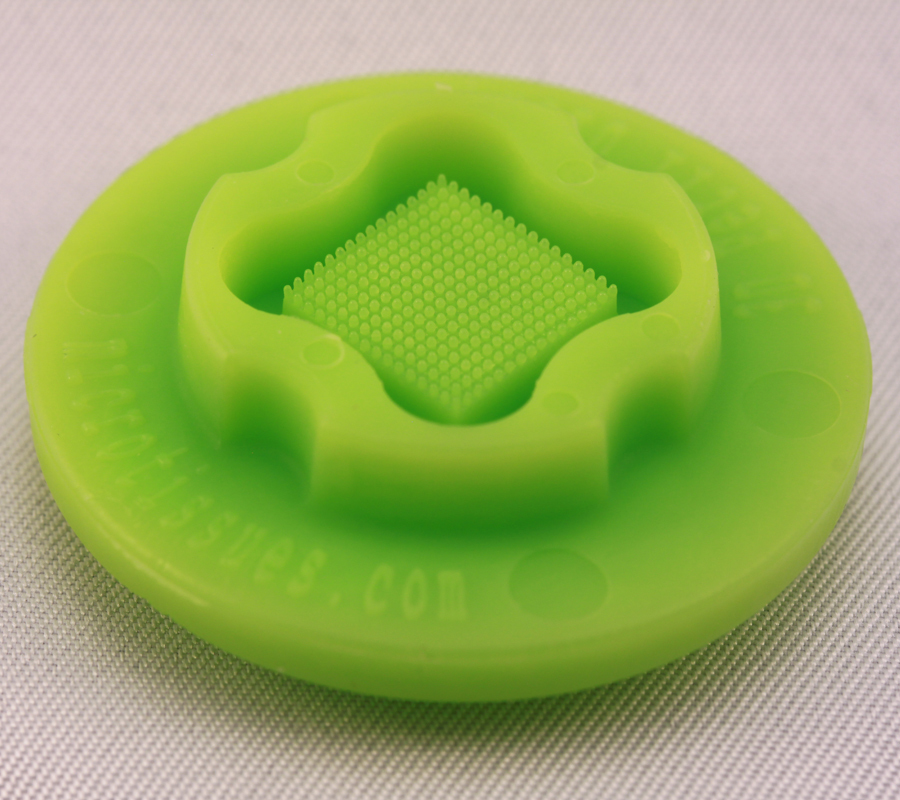
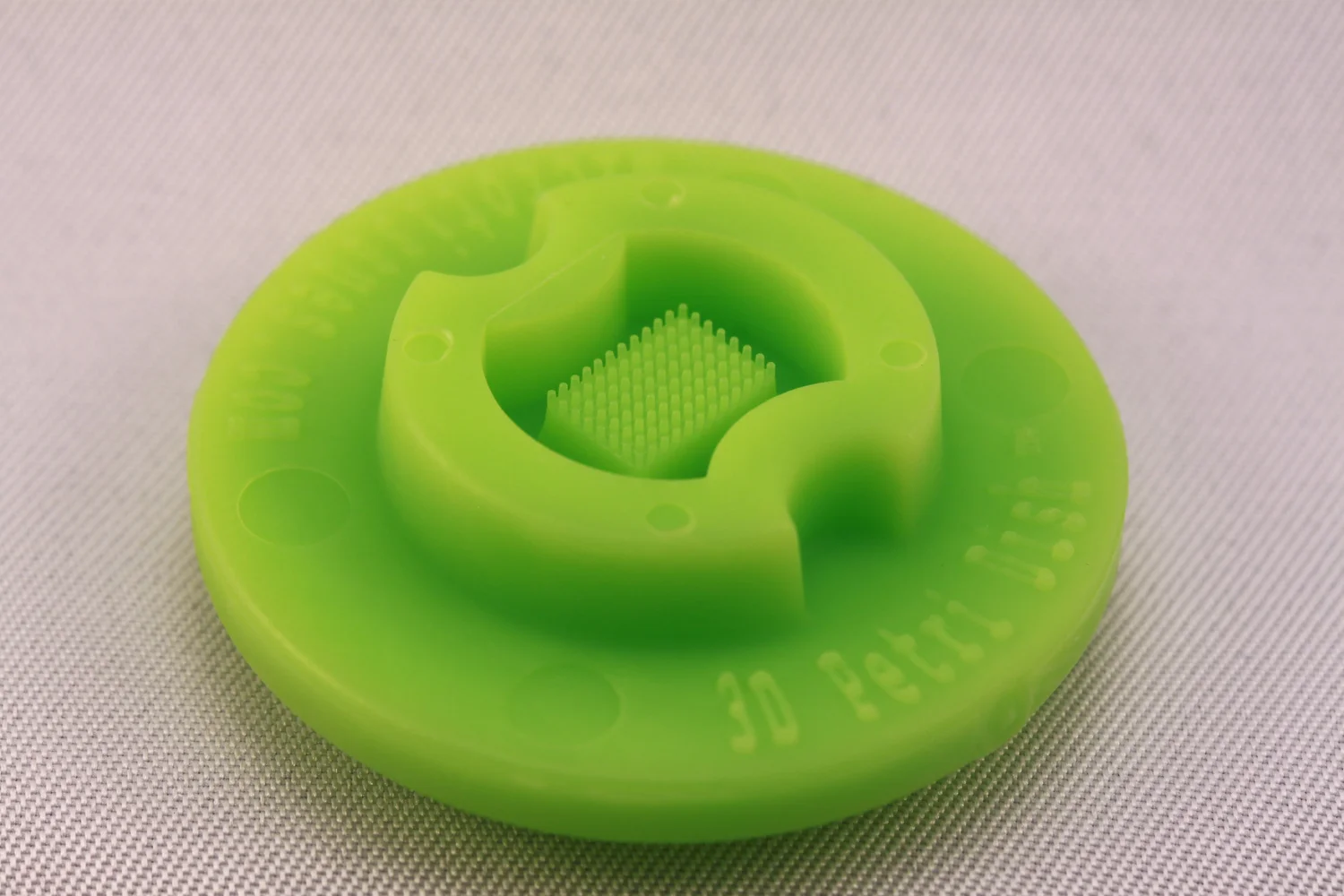
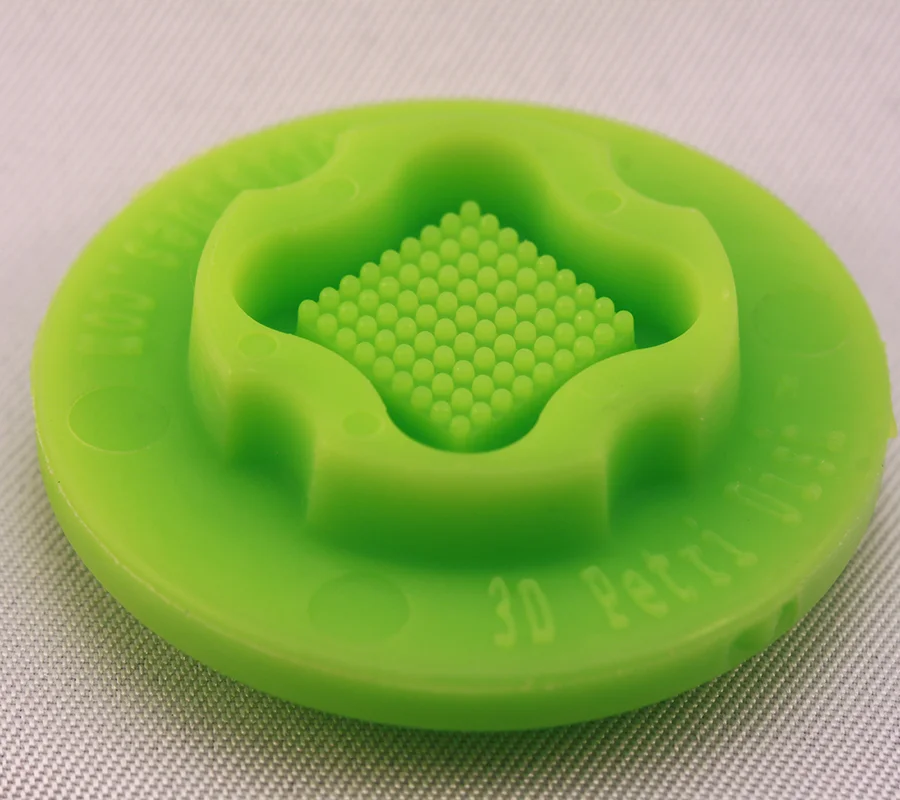
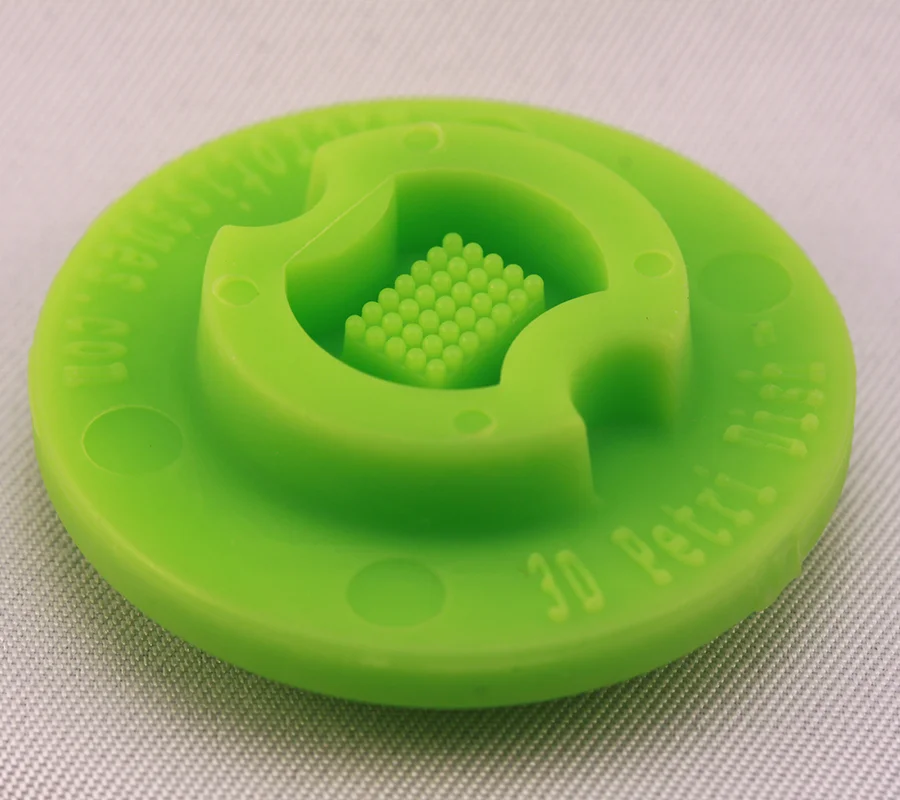
Published in Oncotarget (2018), this peer-reviewed study used 3D Petri Dish® micro-molds to form scaffold-free 3D microtissues. Full citation: Ojalill, Marjaana, et al. Integrin α2β1 decelerates proliferation, but promotes survival and invasion of prostate cancer cells
Integrin α2β1 decelerates proliferation, but promotes survival and invasion of prostate cancer cells
Research Overview
High expression of integrin α2β1 is a hallmark of prostate cancer stem cell-like cells, yet its role is controversial: this collagen receptor is downregulated in poorly differentiated carcinomas but has also been proposed to promote metastasis.
This study shows that docetaxel-resistant DU145 prostate cancer cells express high levels of α2β1, and that the α2β1-high subpopulation of DU145 cells proliferates more slowly than cells with lower α2β1. The work connects integrin α2β1 to a slow-cycling, stem-like, therapy-resistant state, with p38 signaling examined as part of the mechanism.
Key Discoveries
- Docetaxel-resistant DU145 prostate cancer cells express high integrin α2β1
- The α2β1-high subpopulation proliferates slower than α2β1-low cells
- Links α2β1 to a stem-like, therapy-resistant phenotype involving p38