Summary
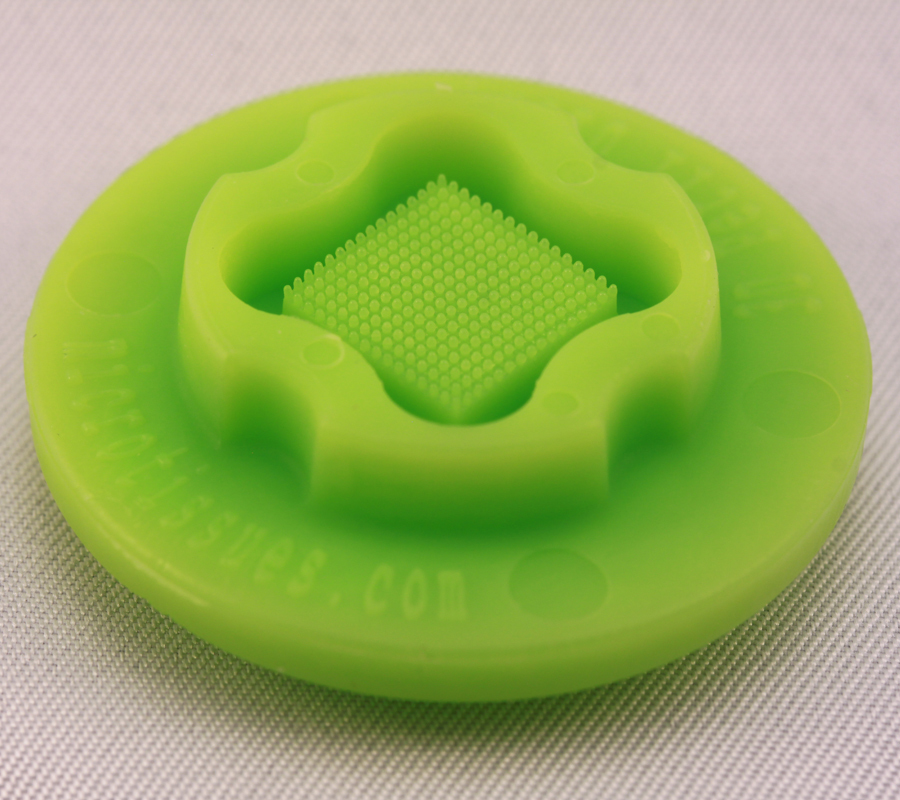
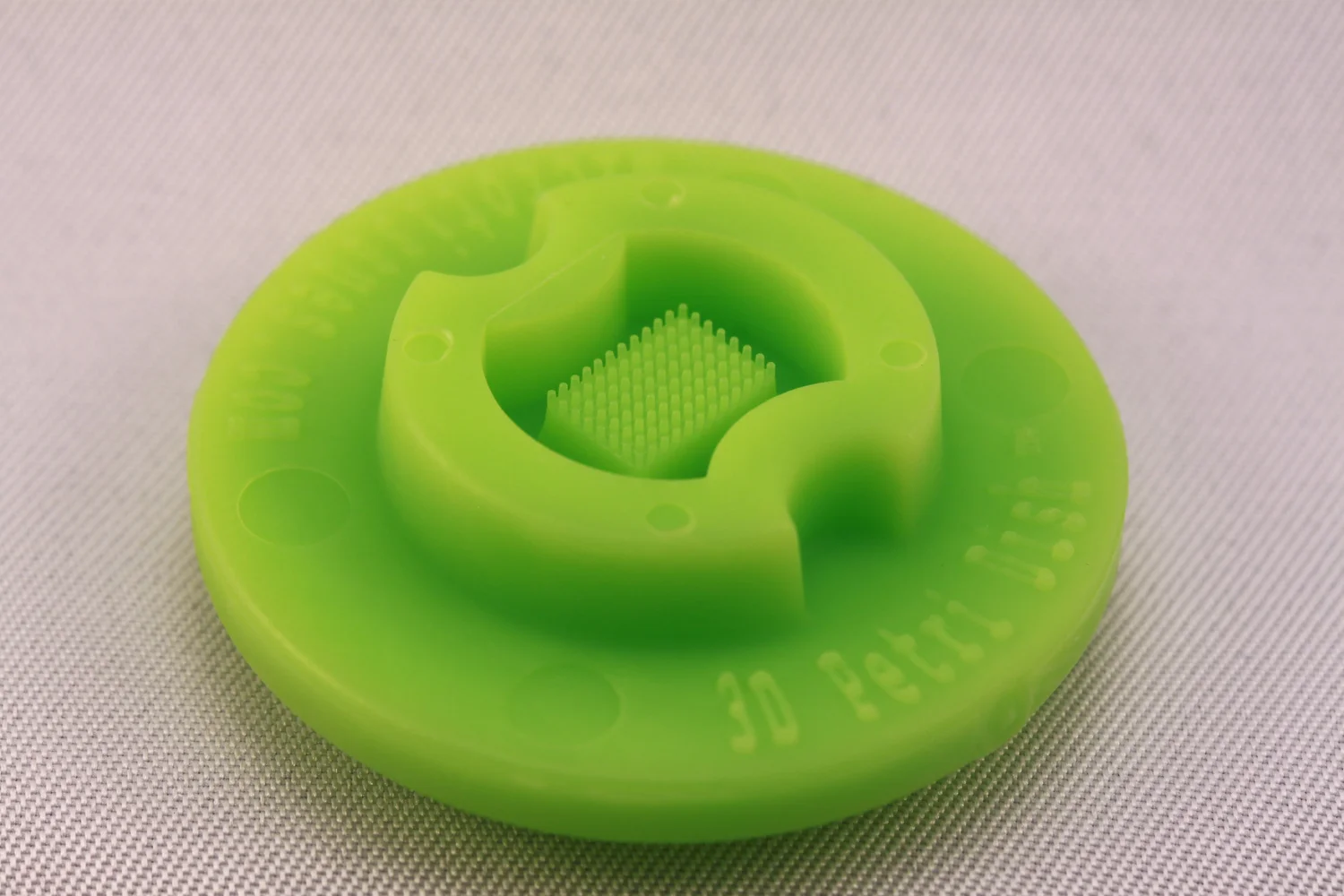
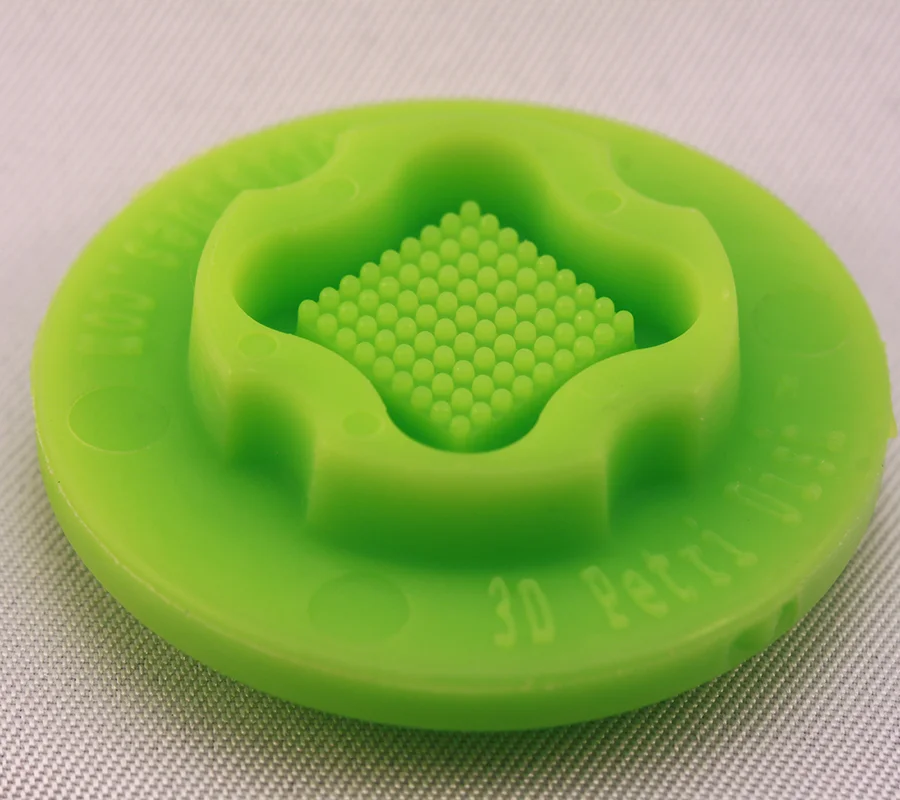
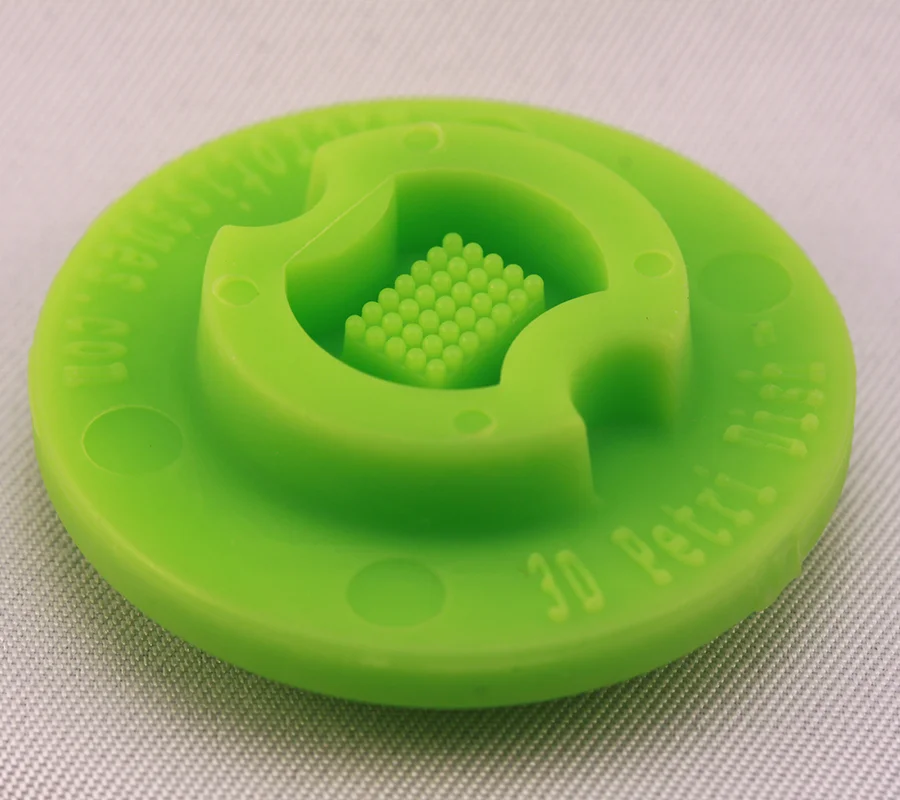
Published in Journal of Biomechanics (2019), this peer-reviewed study used 3D Petri Dish® micro-molds to form scaffold-free 3D microtissues. Full citation: Shah, Manisha K., et al. Integration of hyper-compliant microparticles into a 3D melanoma tumor model
Integration of hyper-compliant microparticles into a 3D melanoma tumor model
Research Overview
Multicellular spheroids offer a physiologically relevant setting for studying the tumor microenvironment and therapeutic approaches such as microparticle-based drug delivery. This study examined how compliant polyacrylamide microparticles are incorporated into and penetrate spheroids made of either cancer or normal human cells.
Collagen-1-coated microparticles at two stiffnesses (0.1 and 9 kPa; 15–30 µm diameter) were tracked in ~100 µm spheroids for up to 22 hours. Cells in melanoma spheroids were more influenced by microparticle mechanics than cells in normal spheroids, with melanoma spheroids showing a greater propensity to incorporate and displace the more compliant particles over time. Mature spheroids of either cell type were able to recognize and integrate the microparticles.
Key Discoveries
- Collagen-coated polyacrylamide microparticles (0.1 vs 9 kPa) tracked in ~100 µm spheroids for 22 h
- Melanoma spheroids preferentially incorporated and displaced the softer microparticles
- Both cancer and normal mature spheroids recognized and integrated microparticles