Summary
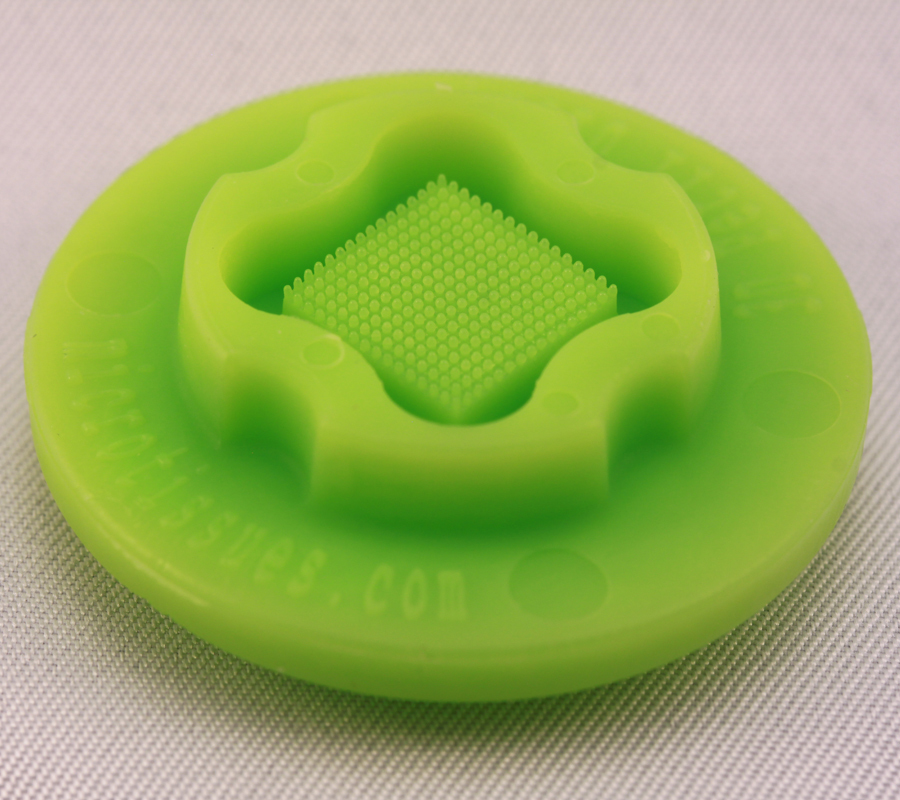
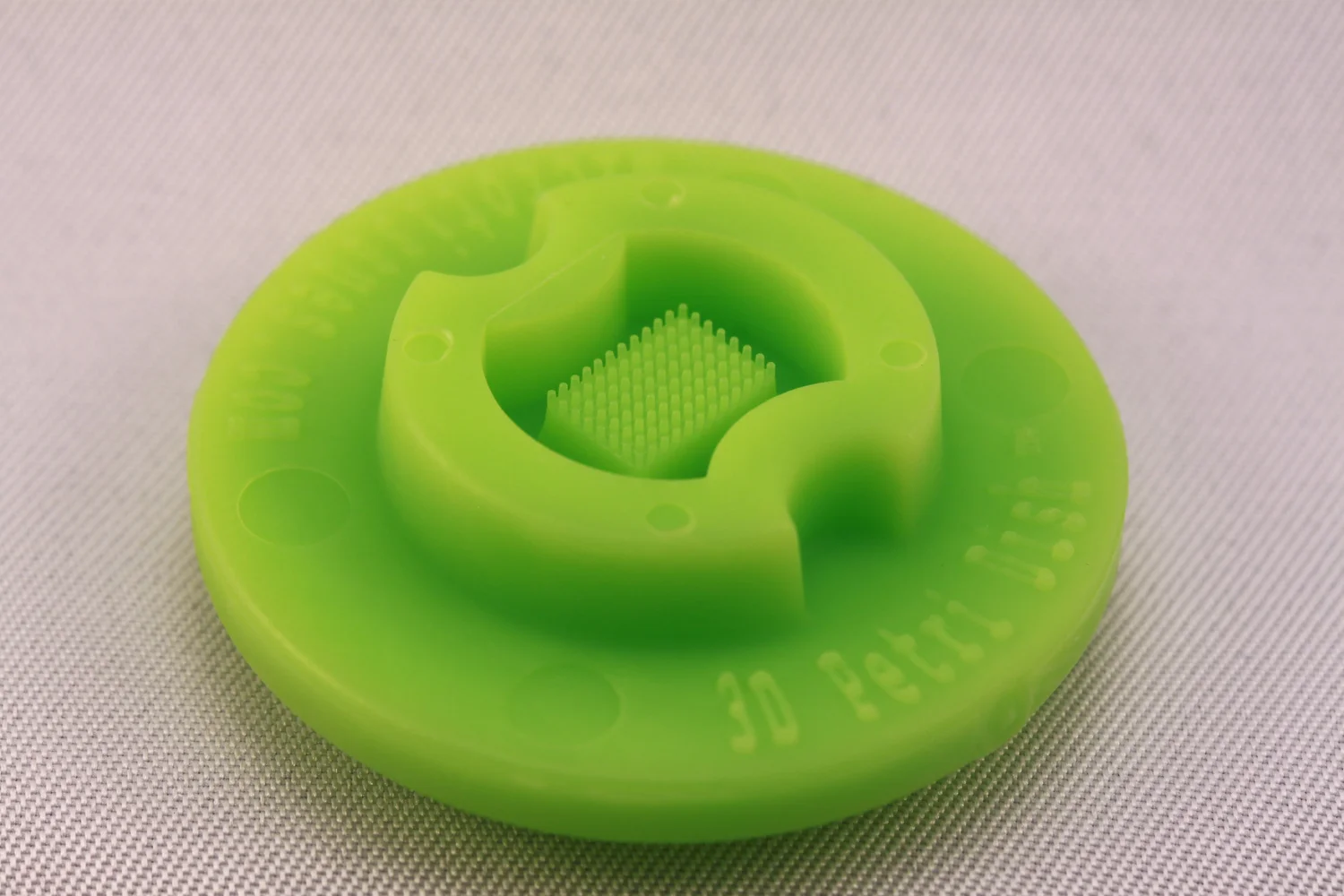
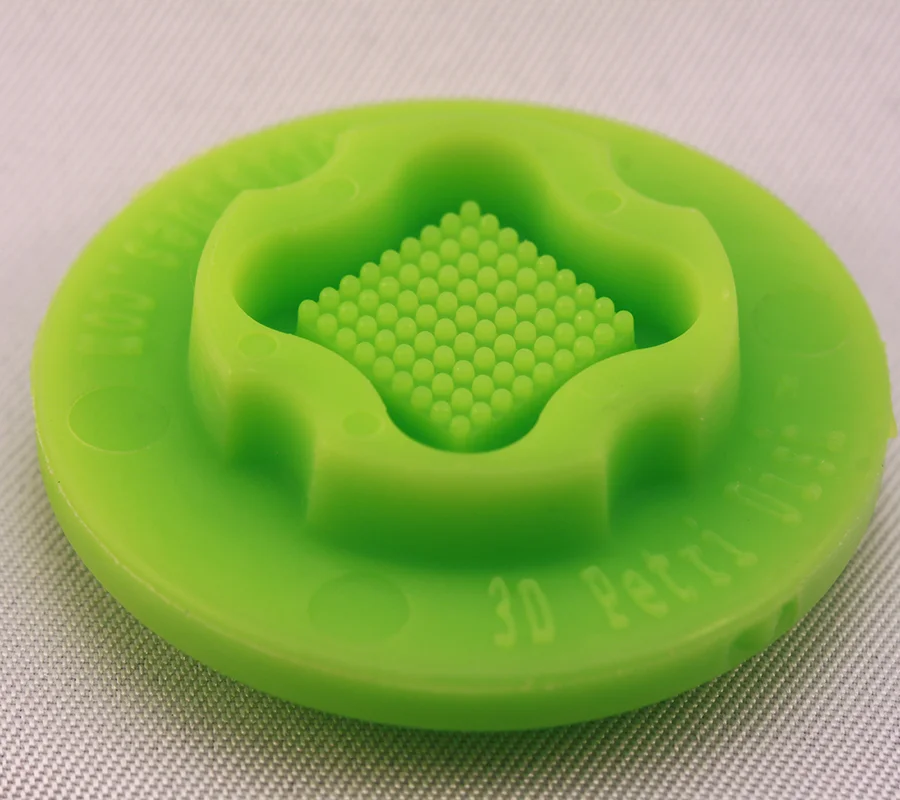
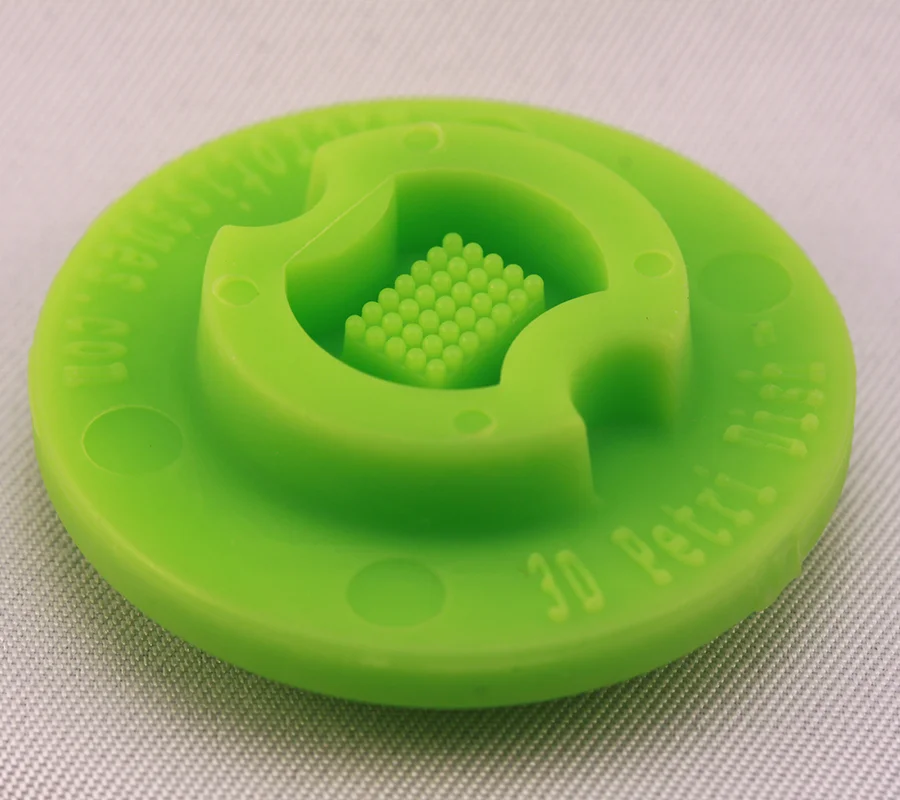
Published in Oncogene (2023), this peer-reviewed study used 3D Petri Dish® micro-molds to form scaffold-free 3D microtissues. Full citation: Siljamäki, Elina, et al. Inhibition of TGF-β signaling, invasion, and growth of cutaneous squamous cell carcinoma by PLX8394
Inhibition of TGF-β signaling, invasion, and growth of cutaneous squamous cell carcinoma by PLX8394
Research Overview
Metastatic cutaneous squamous cell carcinoma carries a poor prognosis and needs new therapies. The authors had previously shown that Ras/MEK/ERK1/2 and TGF-β/Smad2 signaling in transformed keratinocytes drives laminin-332 accumulation and accelerated invasion. Here they tested the next-generation B-Raf inhibitor PLX8394 in Ras-transformed metastatic keratinocytes (RT3 cells) with wild-type B-Raf and hyperactive Ras.
PLX8394 blocked TGF-β signaling — reducing phosphorylation of TGF-β receptor II and Smad2, p38 activity, MMP-1 and MMP-13 synthesis, and laminin-332 accumulation — and significantly inhibited growth of human cSCC tumors and in vivo collagen degradation in a xenograft model.
Key Discoveries
- PLX8394 blocked TGF-β signaling in Ras-transformed metastatic keratinocytes with wild-type B-Raf
- Reduced TGF-βRII and Smad2 phosphorylation, p38 activity, MMP-1/MMP-13, and laminin-332
- Inhibited human cSCC xenograft growth and in vivo collagen degradation