Summary
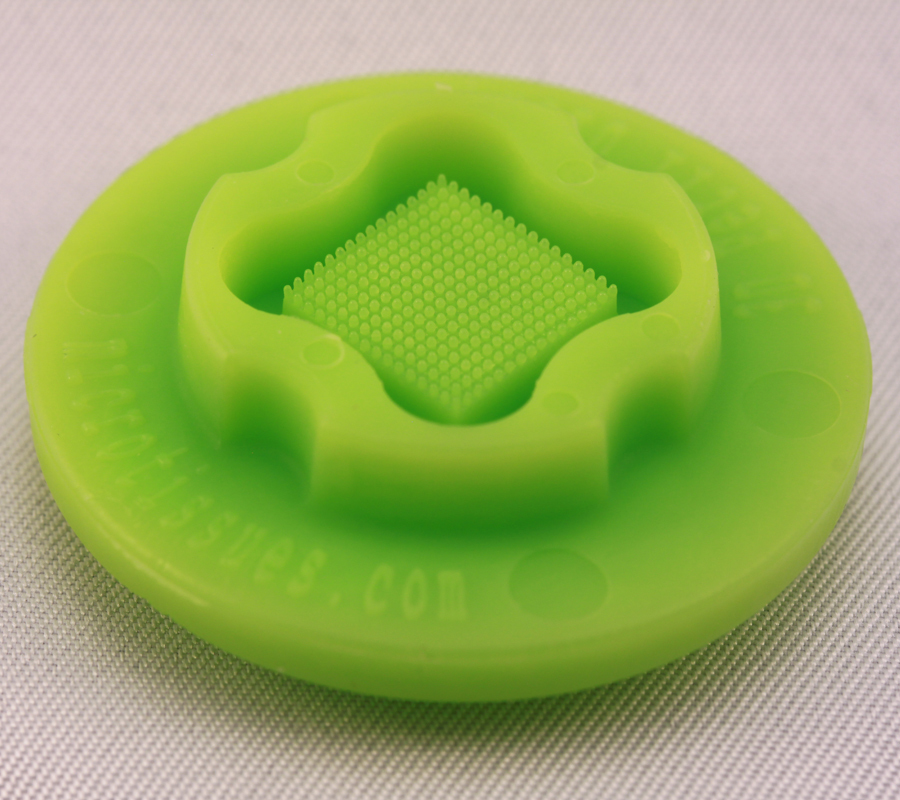
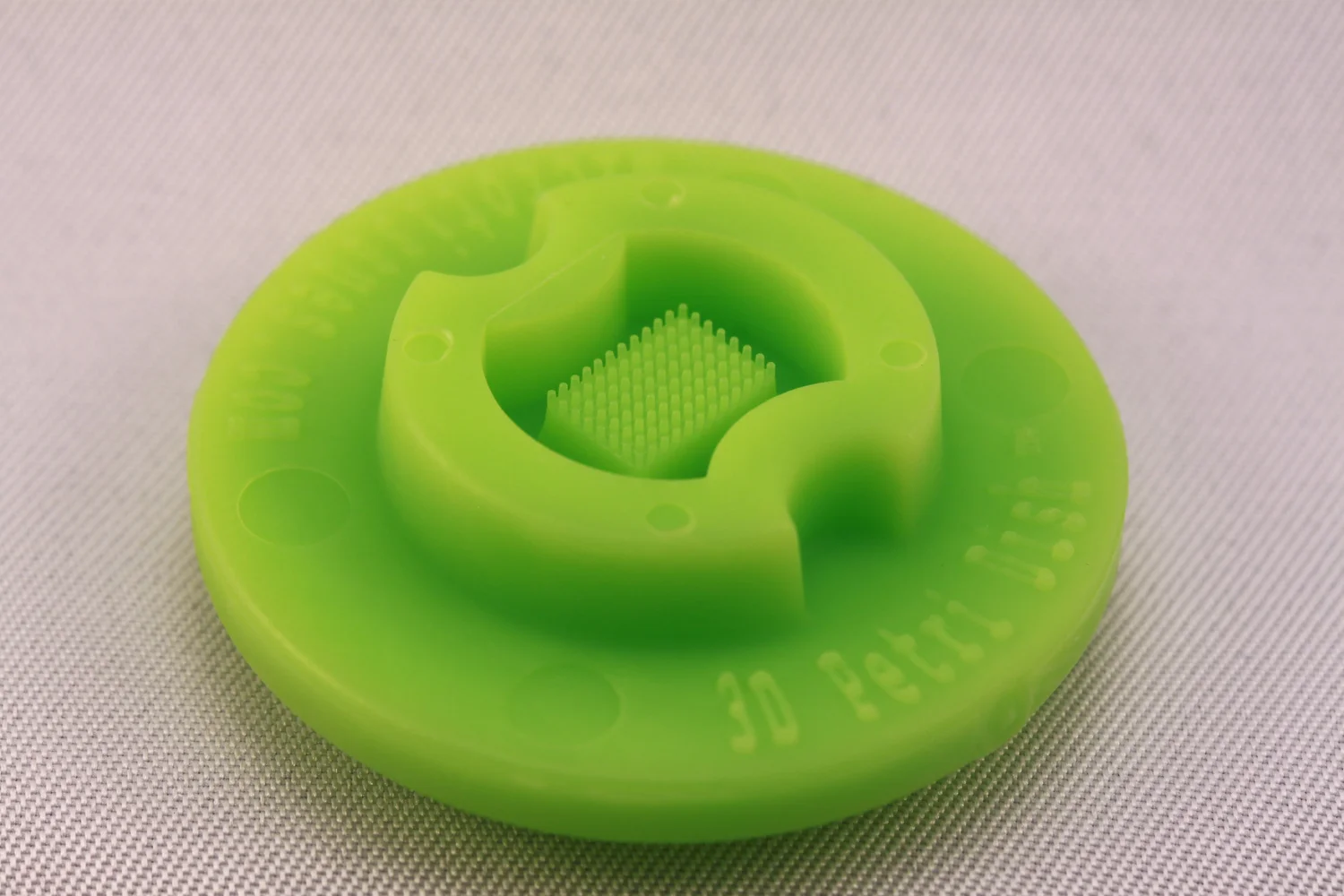
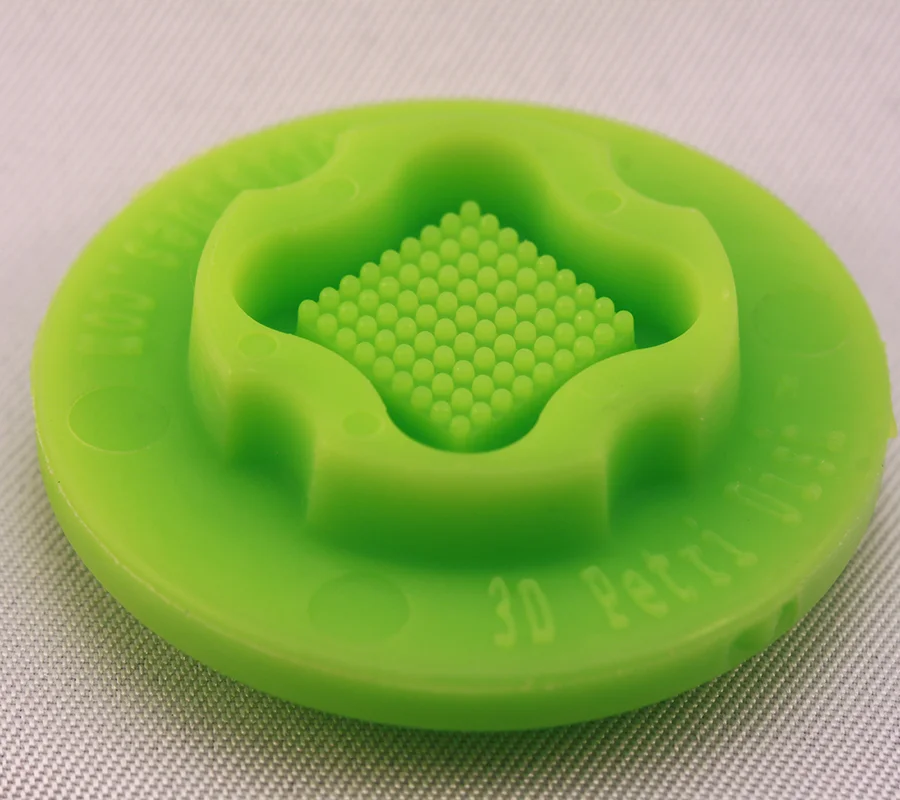
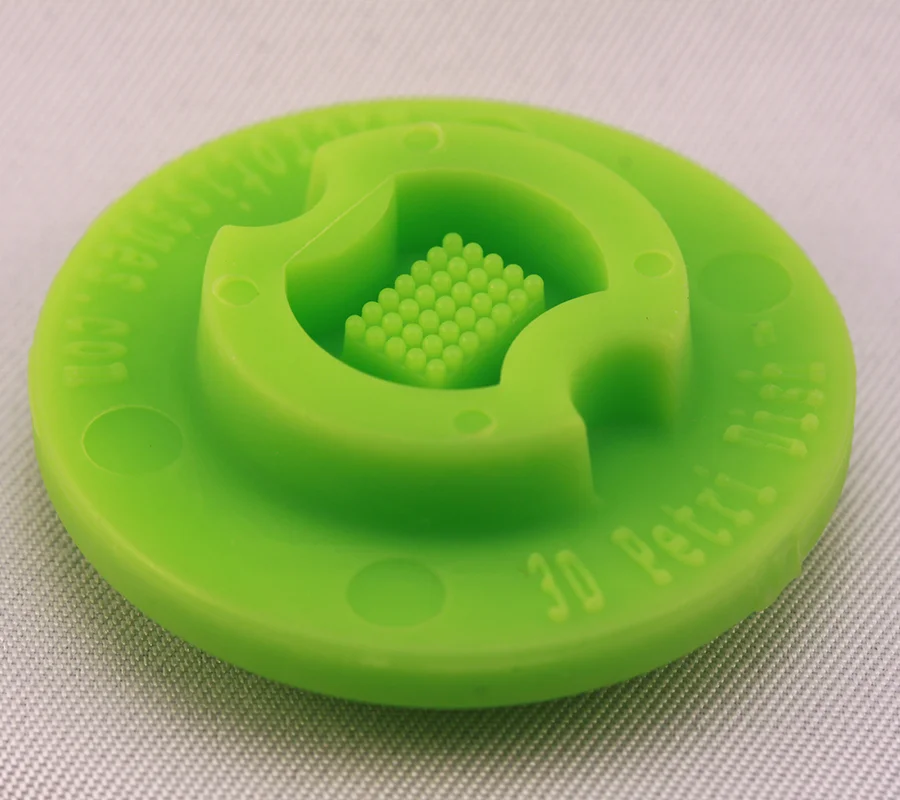
Published in RSC Medicinal Chemistry (2025), this peer-reviewed study used 3D Petri Dish® micro-molds to form scaffold-free 3D microtissues. Full citation: Fabitha, K., et al. Improved anti-breast cancer activity through structural modification of fused pyran derivatives and mechanistic investigations
Improved anti-breast cancer activity through structural modification of fused pyran derivatives and mechanistic investigations
Research Overview
This medicinal-chemistry study synthesized a series of novel fused pyran derivatives and evaluated their anticancer activity against three human cancer lines: MCF7 breast, A549 lung, and HCT116 colorectal carcinoma.
Structural modification of the pyran scaffold improved potency against breast cancer cells in particular. Derivatives 8a and 8b emerged as the most promising compounds, and the authors propose them as candidates for further preclinical development as breast cancer therapeutics.
Key Discoveries
- Novel fused pyran derivatives synthesized and screened against MCF7, A549, and HCT116 cells
- Structural changes to the scaffold improved anti-breast-cancer activity
- Derivatives 8a and 8b identified as leads for preclinical development