Summary
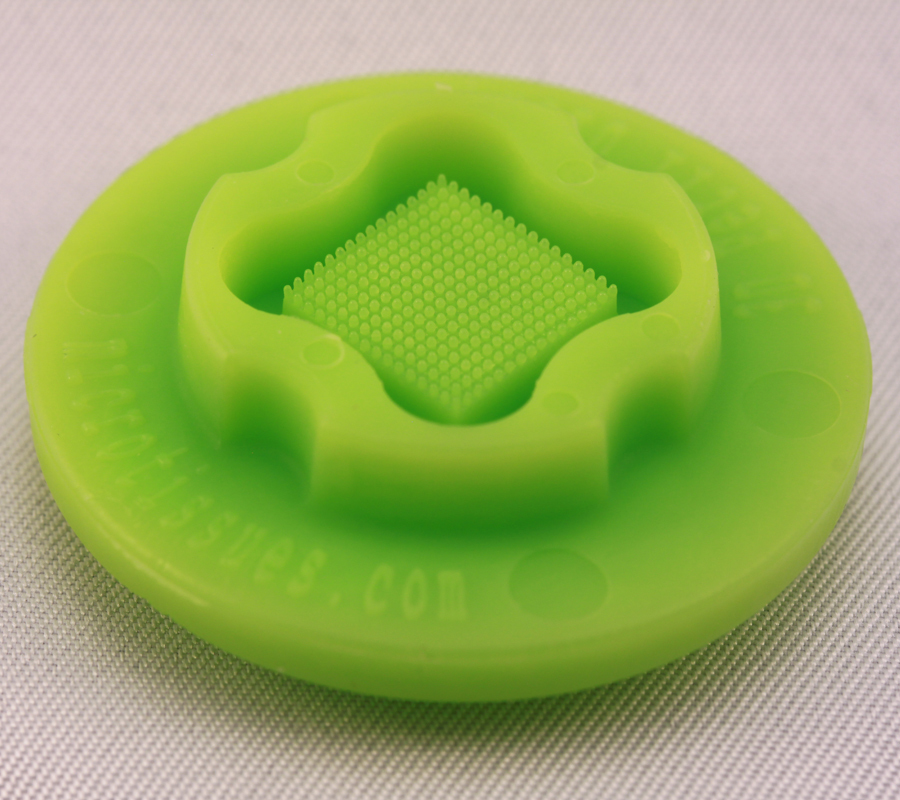
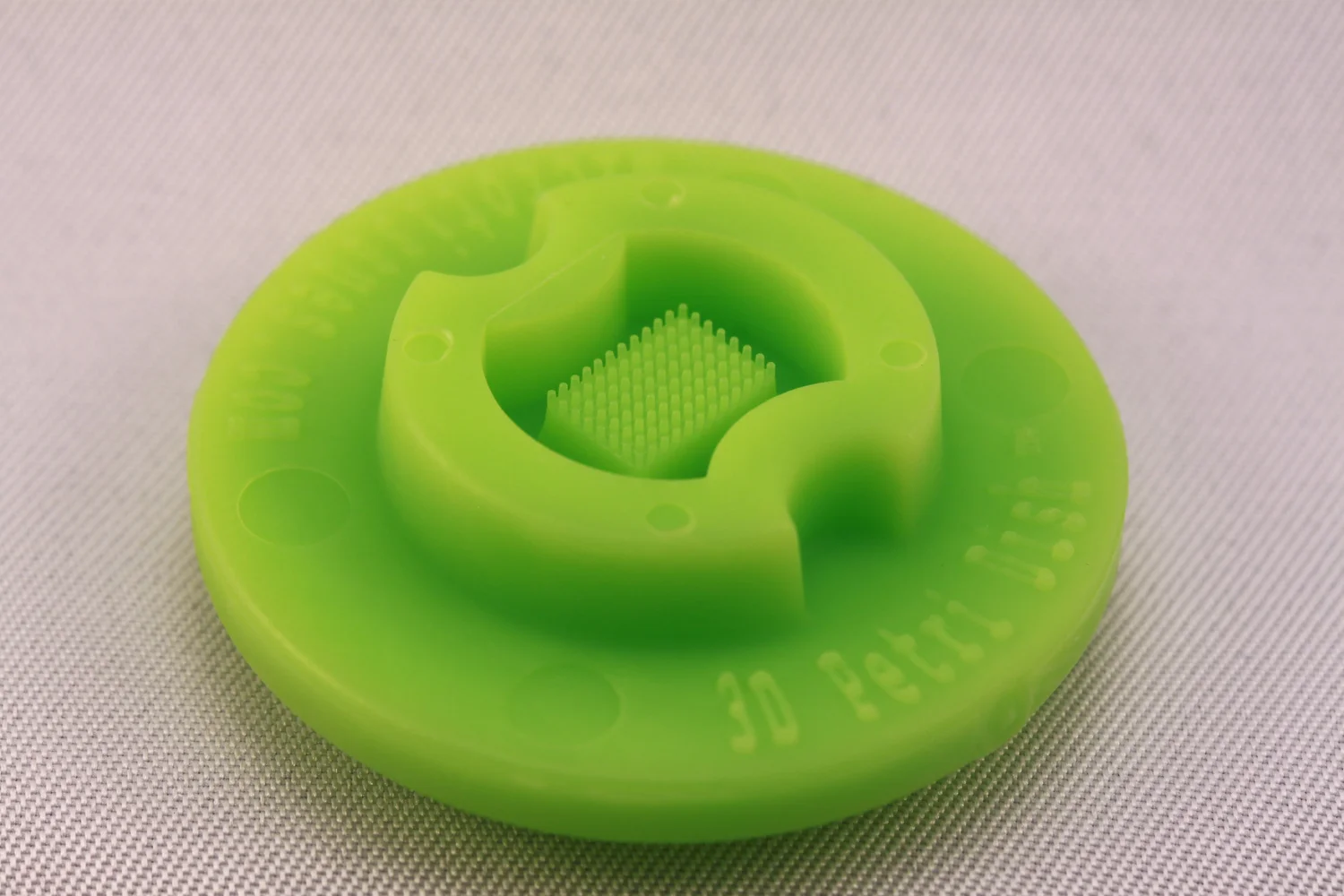
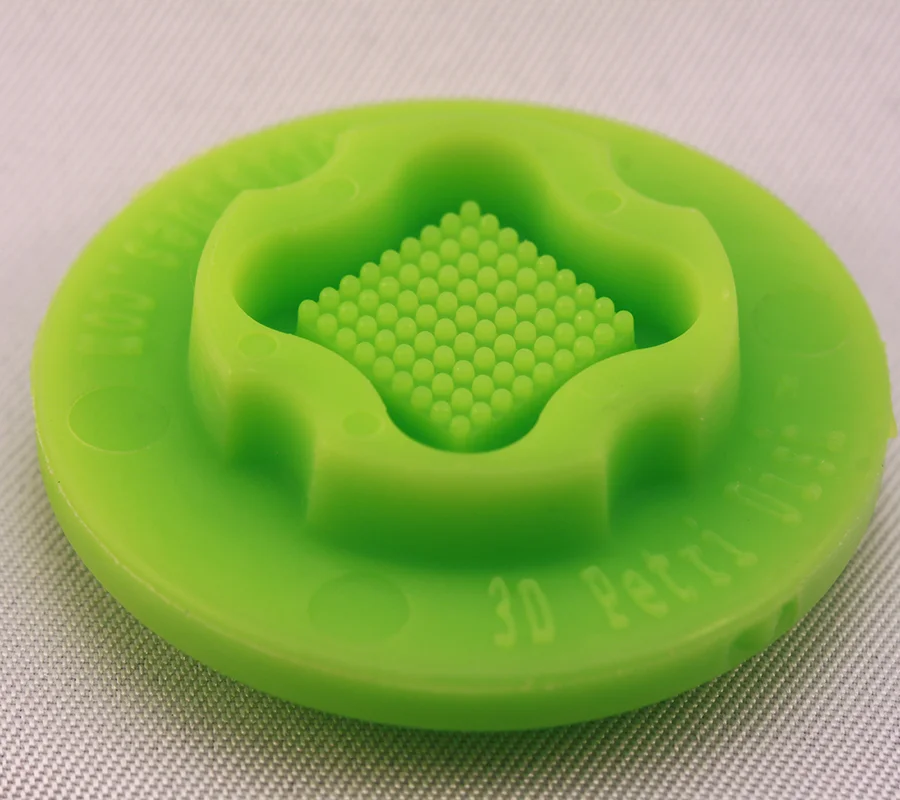
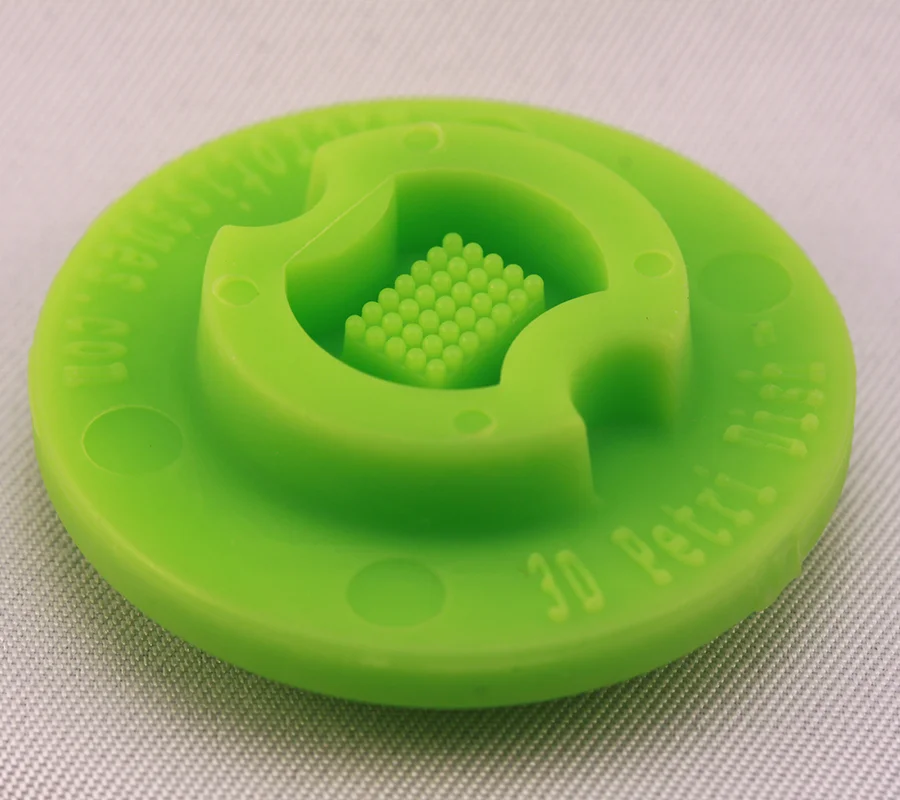
Published in OncoImmunology (2022), this peer-reviewed study used 3D Petri Dish® micro-molds to form scaffold-free 3D microtissues. Full citation: Lin, Yuan-Na, et al. Impaired CXCL12 signaling contributes to resistance of pancreatic cancer subpopulations to T cell-mediated cytotoxicity
Impaired CXCL12 signaling contributes to resistance of pancreatic cancer subpopulations to T cell-mediated cytotoxicity
Research Overview
Pancreatic cancer resists immune modulatory therapy, partly through an immunosuppressive, desmoplastic microenvironment. This study analyzed cancer cell-autonomous resistance to T cells using a 3D co-culture: spheroids of cancer cells from the KPC pancreatic ductal adenocarcinoma model, challenged with tumor-educated T cells isolated from draining lymph nodes of tumor-bearing mice.
Resistant cancer cell subpopulations were isolated from the co-culture and compared with sensitive cells. In co-culture with the resistant subpopulations, tumor-educated T cells showed reduced effector function and reduced infiltration — with impaired CXCL12 signaling implicated in the resistance.
Key Discoveries
- 3D spheroid co-culture isolated T cell-resistant subpopulations of pancreatic cancer cells
- Resistant cells reduced T cell effector function and infiltration
- Impaired CXCL12 signaling implicated in cancer cell-autonomous immune resistance