Summary
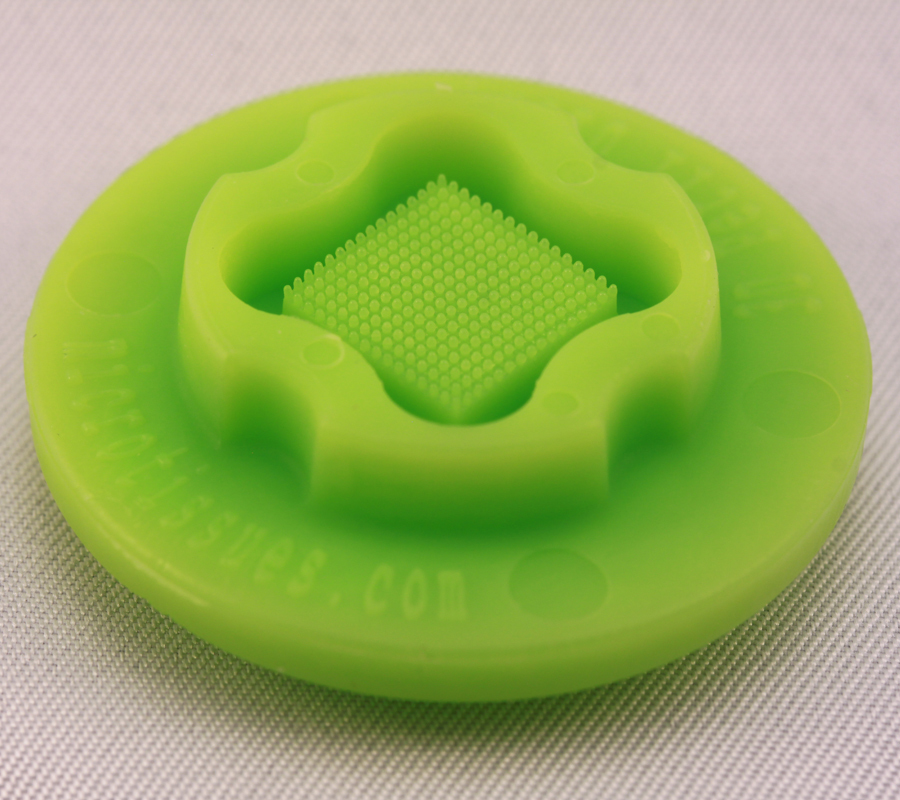
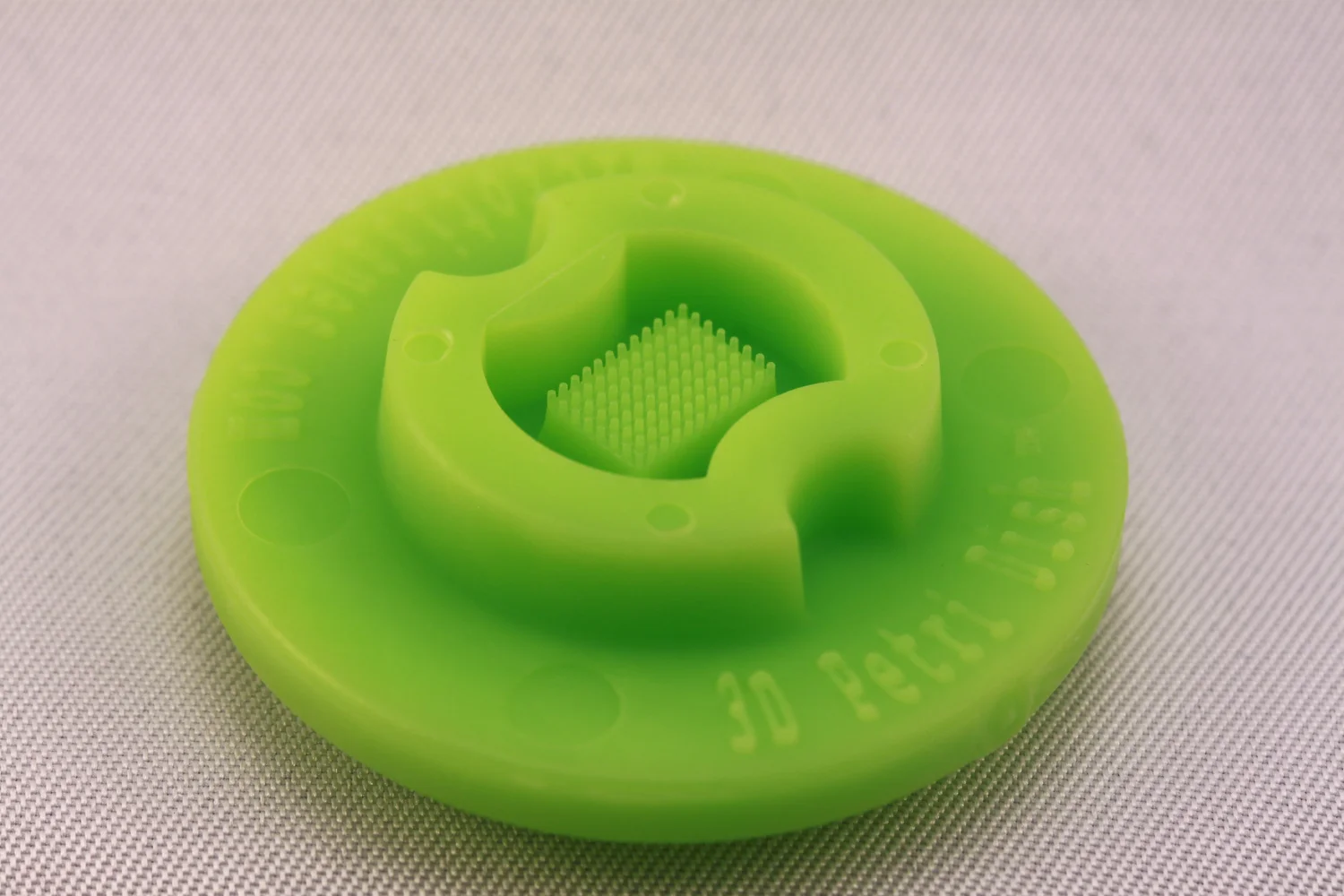
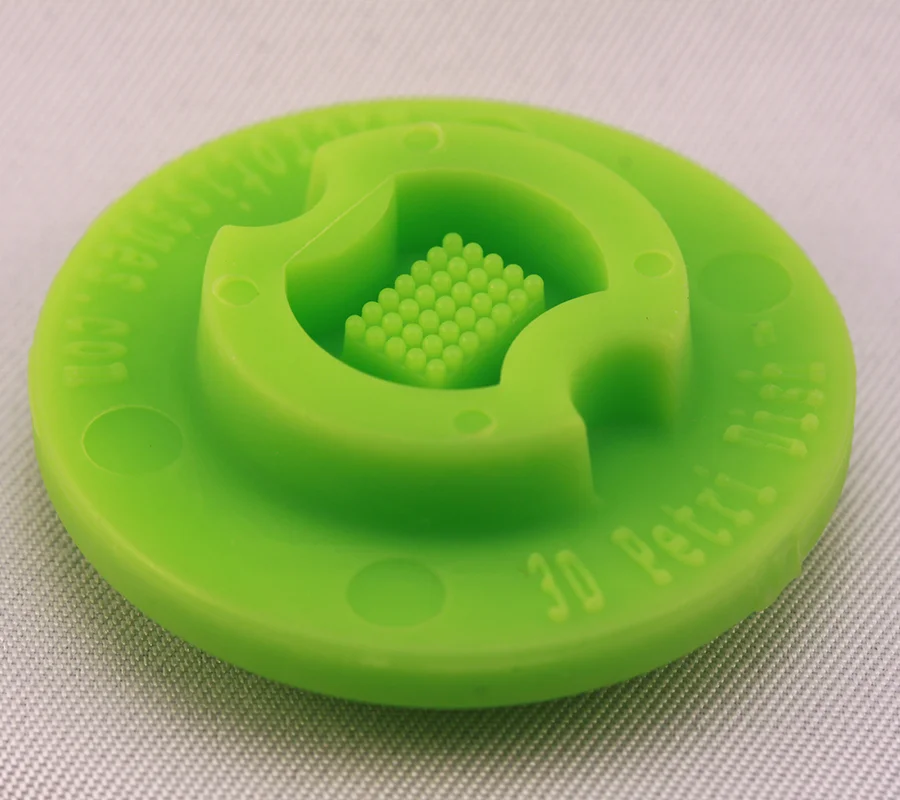
Published in Journal of Enzyme Inhibition and Medicinal Chemistry (2026), this peer-reviewed study used 3D Petri Dish® micro-molds to form scaffold-free 3D microtissues. Full citation: Golcienė, Božena, et al. Imidazole-2-thione derivatives as new selective anticancer agents with anti-metastatic properties: synthesis and pharmacological evaluation
Imidazole-2-thione derivatives as new selective anticancer agents with anti-metastatic properties: synthesis and pharmacological evaluation
Research Overview
Imidazole scaffolds combine bioactivity with synthetic accessibility, and this study developed S-substituted imidazole-2-thione derivatives around lead compound 24, which showed submicromolar cytotoxicity against lung, cervical, and colorectal cancer cells while sparing fibroblasts. Mechanistically it caused G1 arrest, caspase-dependent apoptosis, and accumulation of phosphorylated γH2AX.
Compound 24 strongly inhibited A-549 lung cancer cell migration and invasion in both 2D and 3D assays, tracking with downregulation of MMP-2, MMP-9, and hTERT; enzyme assays confirmed direct inhibition of MMP-9. In vivo, it suppressed tumor growth and vasculotropic spread in the chorioallantoic membrane model without detectable toxicity, and docking and dynamics simulations supported stable binding in the MMP-2 and MMP-9 active sites.
Key Discoveries
- Compound 24: submicromolar cytotoxicity across lung, cervical, and colorectal lines with fibroblast selectivity
- Blocked A-549 migration and invasion in 2D and 3D, with MMP-2/MMP-9/hTERT downregulation and direct MMP-9 inhibition
- Suppressed tumor growth and spread in the CAM model without detectable toxicity