Summary
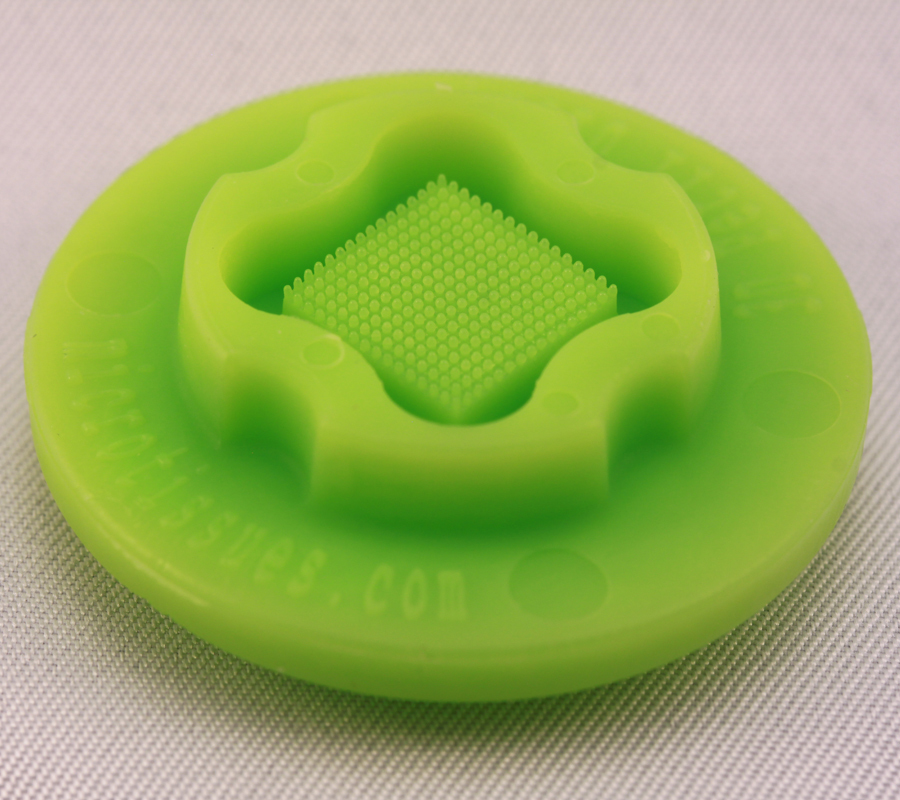
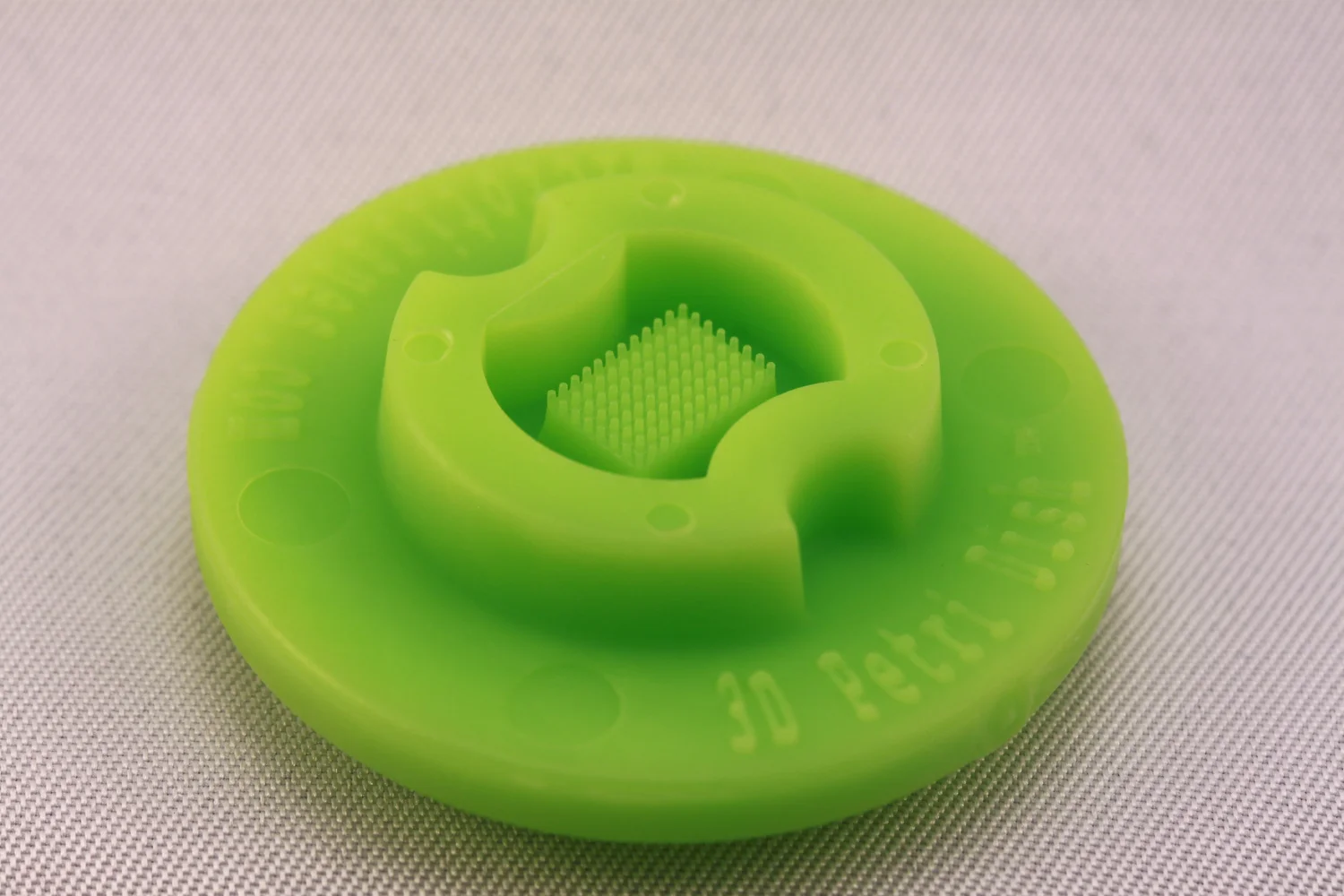
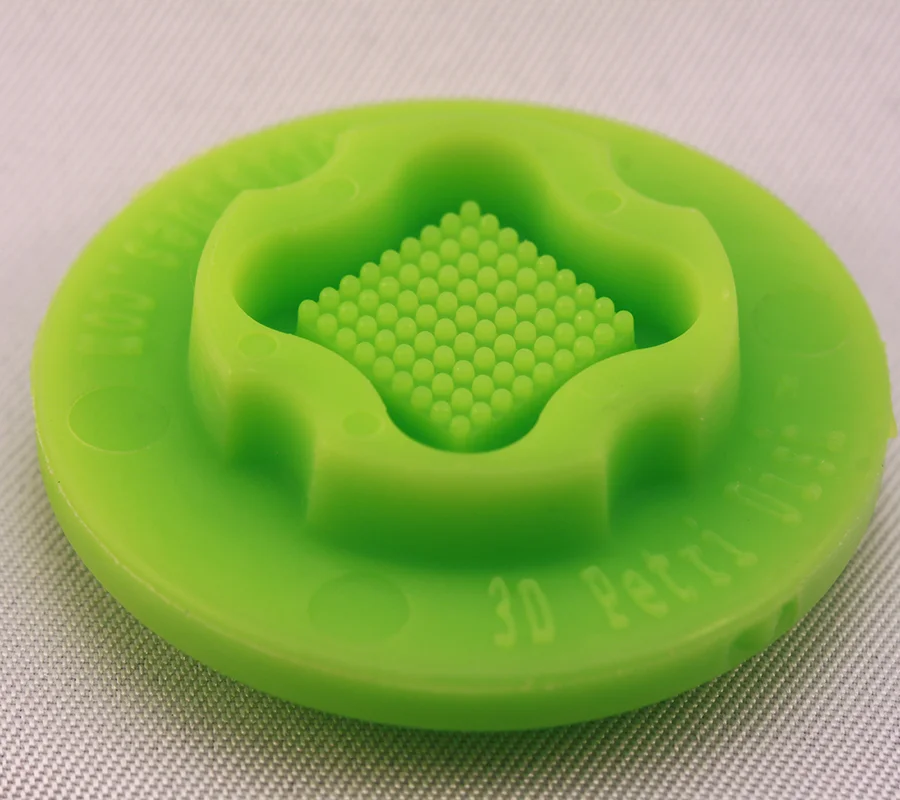
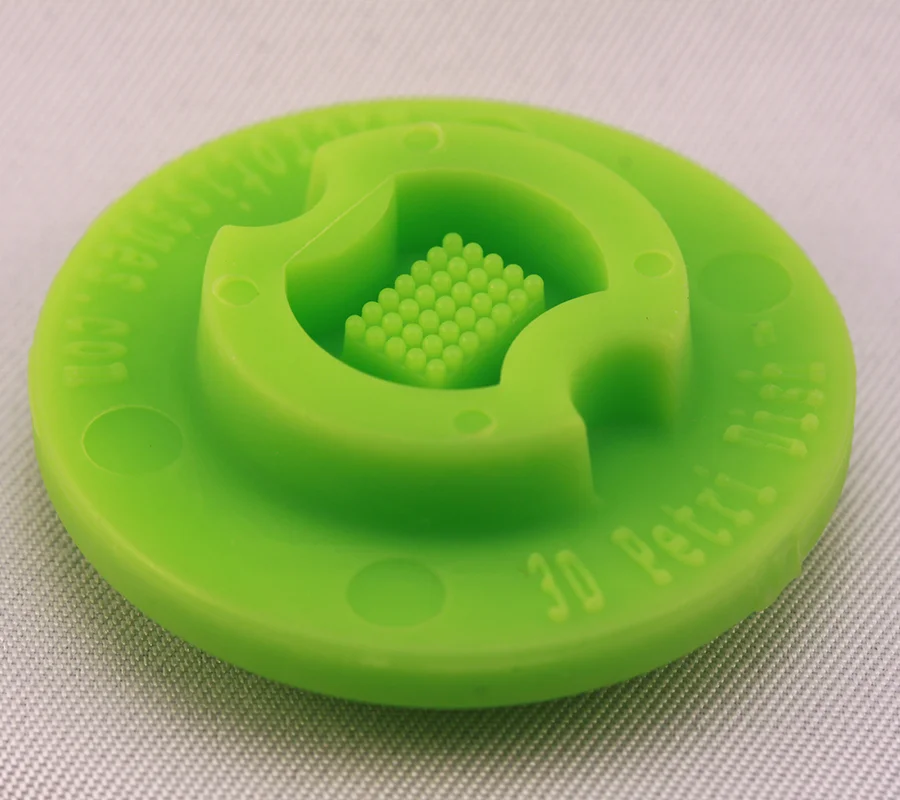
Published in Materials Science and Engineering: C (2021), this peer-reviewed study used 3D Petri Dish® micro-molds to form scaffold-free 3D microtissues. Full citation: Lima-Sousa, Rita, et al. Poly(2-ethyl-2-oxazoline) functionalized reduced graphene oxide: Optimization of the reduction process using dopamine and application in cancer photothermal therapy
Poly(2-ethyl-2-oxazoline) functionalized reduced graphene oxide: Optimization of the reduction process using dopamine and application in cancer photothermal therapy
Research Overview
Reduced graphene oxide absorbs strongly in the near infrared, making it attractive for cancer photothermal therapy — but production usually relies on hydrazine as reductant, causing poor biocompatibility and environmental problems, while the polyethylene glycol coatings used for colloidal stability have recently been reported as immunogenic.
This work optimized production of reduced graphene oxide using dopamine as the reducing agent instead, considering size distribution and stability, and pursuing functionalization alternatives to polyethylene glycol for a safer photothermal nanomaterial.
Key Discoveries
- Dopamine replaced hydrazine as reducing agent, improving biocompatibility and environmental profile
- Production optimized for size distribution and colloidal stability
- Addresses reported immunogenicity of polyethylene glycol-based coatings