Summary
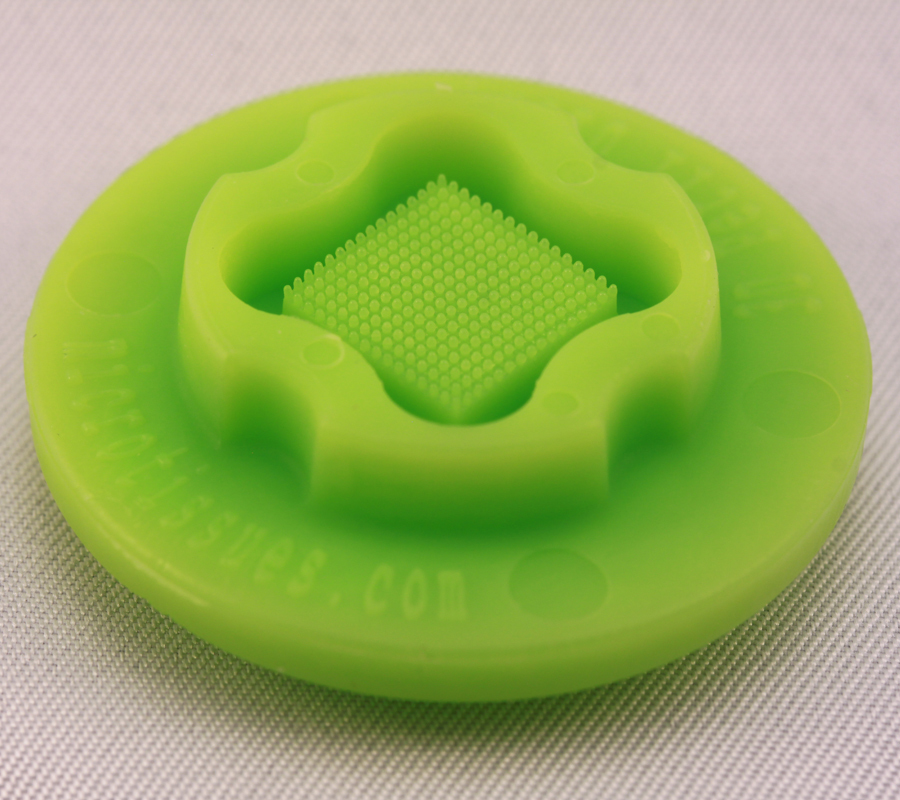
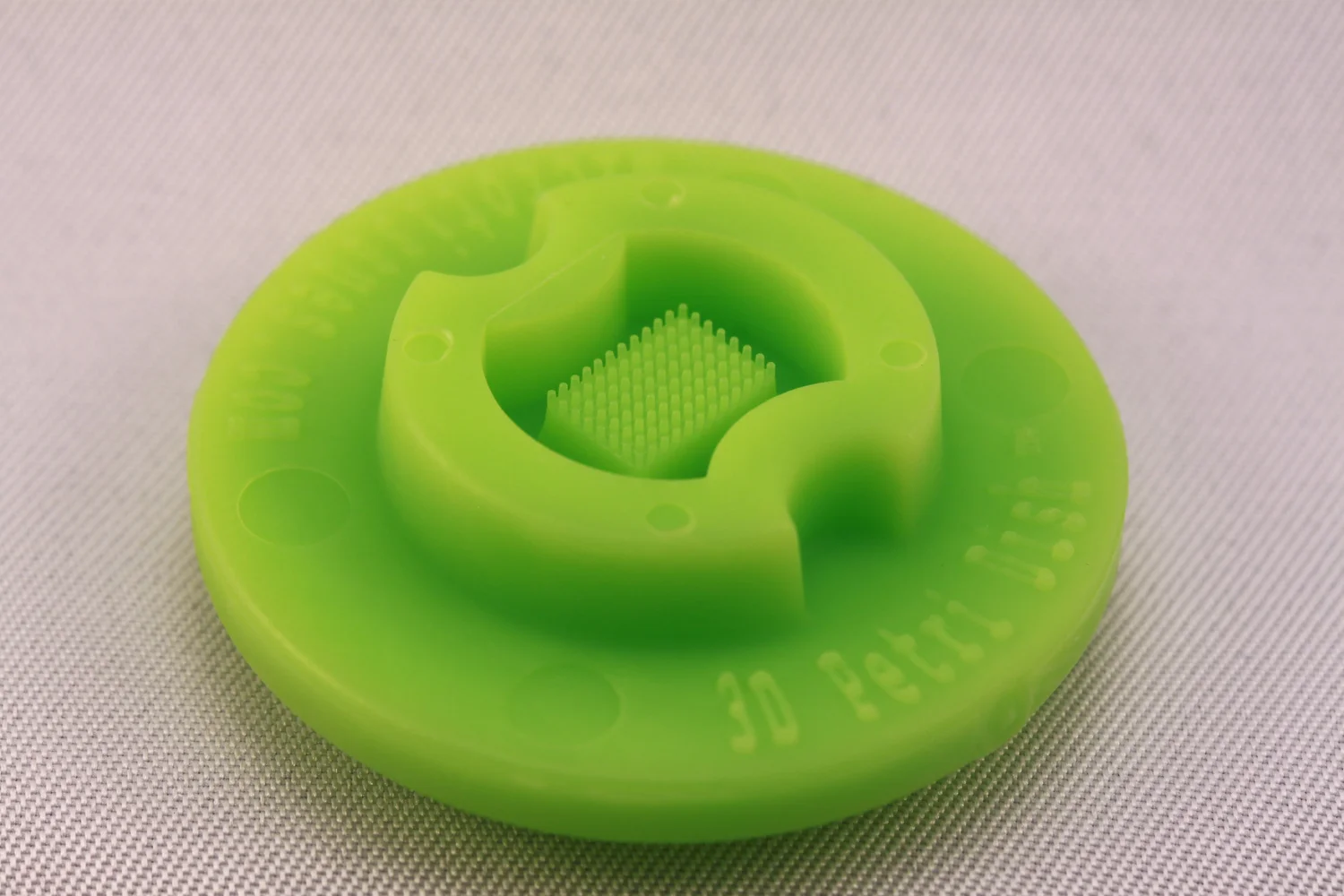
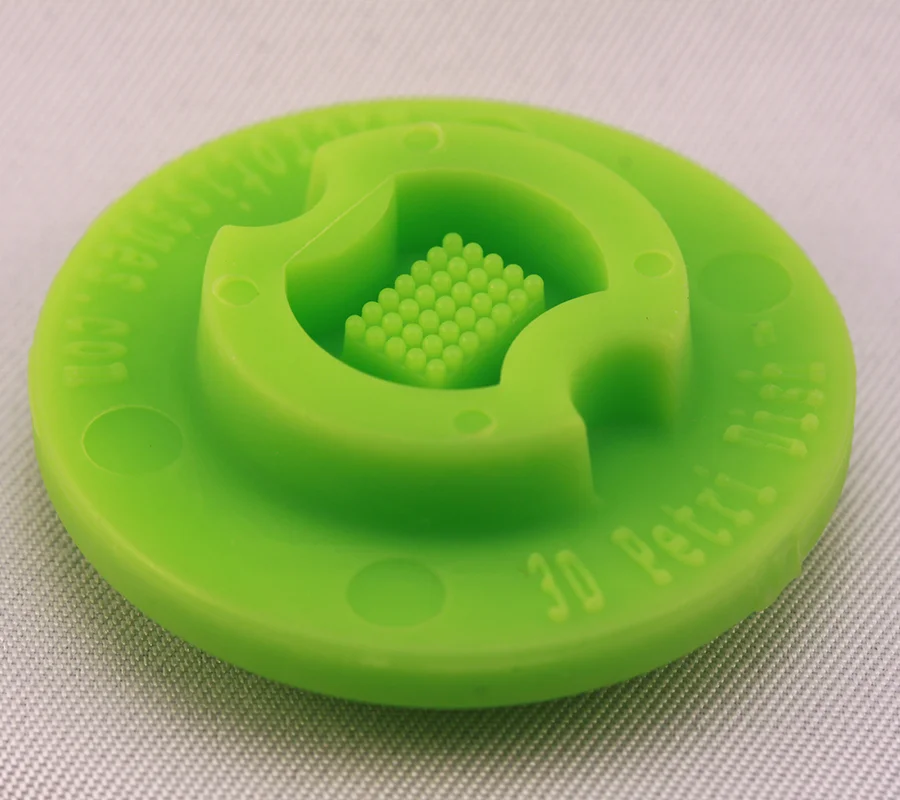
Published in Cancer Drug Resistance (2026), this peer-reviewed study used 3D Petri Dish® micro-molds to form scaffold-free 3D microtissues. Full citation: Polónia, Bárbara, et al. Extracellular vesicles shed by multidrug resistant cells contribute to the identification of SRC inhibitors as chemosensitizers in non-small cell lung cancer
Extracellular vesicles shed by multidrug resistant cells contribute to the identification of SRC inhibitors as chemosensitizers in non-small cell lung cancer
Research Overview
Non-small cell lung cancer accounts for most lung cancers and carries poor outcomes largely because of multidrug resistance. Extracellular vesicles mediate communication between cells and are known to influence chemoresistance, so this study characterized the vesicle proteome of drug-sensitive versus multidrug-resistant NSCLC lines to find targets for counteracting resistance.
Vesicles were isolated by ultracentrifugation and characterized by nanoparticle tracking, transmission electron microscopy, and Western blotting for vesicle markers, then profiled by LC-MS proteomics with Western blot validation of relevant hits. Cell growth and viability were measured by sulforhodamine B or CellTiter-Glo, with P-glycoprotein among the resistance proteins examined.
Key Discoveries
- Extracellular vesicles from drug-sensitive and multidrug-resistant NSCLC cells compared by LC-MS proteomics
- Vesicles characterized by nanoparticle tracking, TEM, and marker Western blots
- Aims to identify vesicle-carried proteins that transmit resistance and could be targeted