Summary
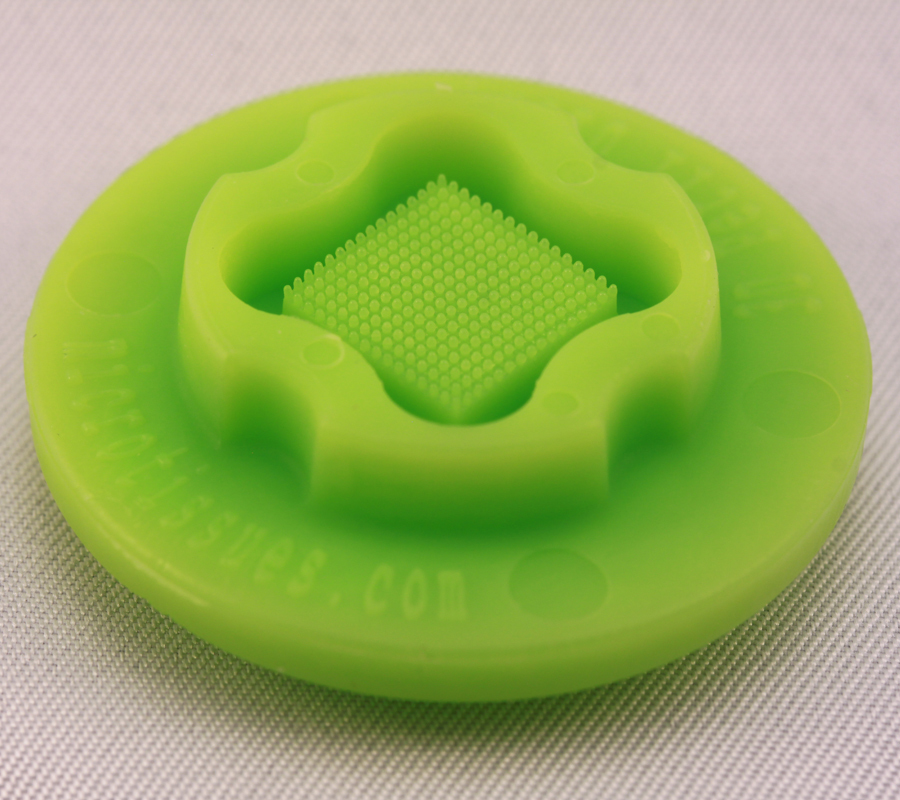
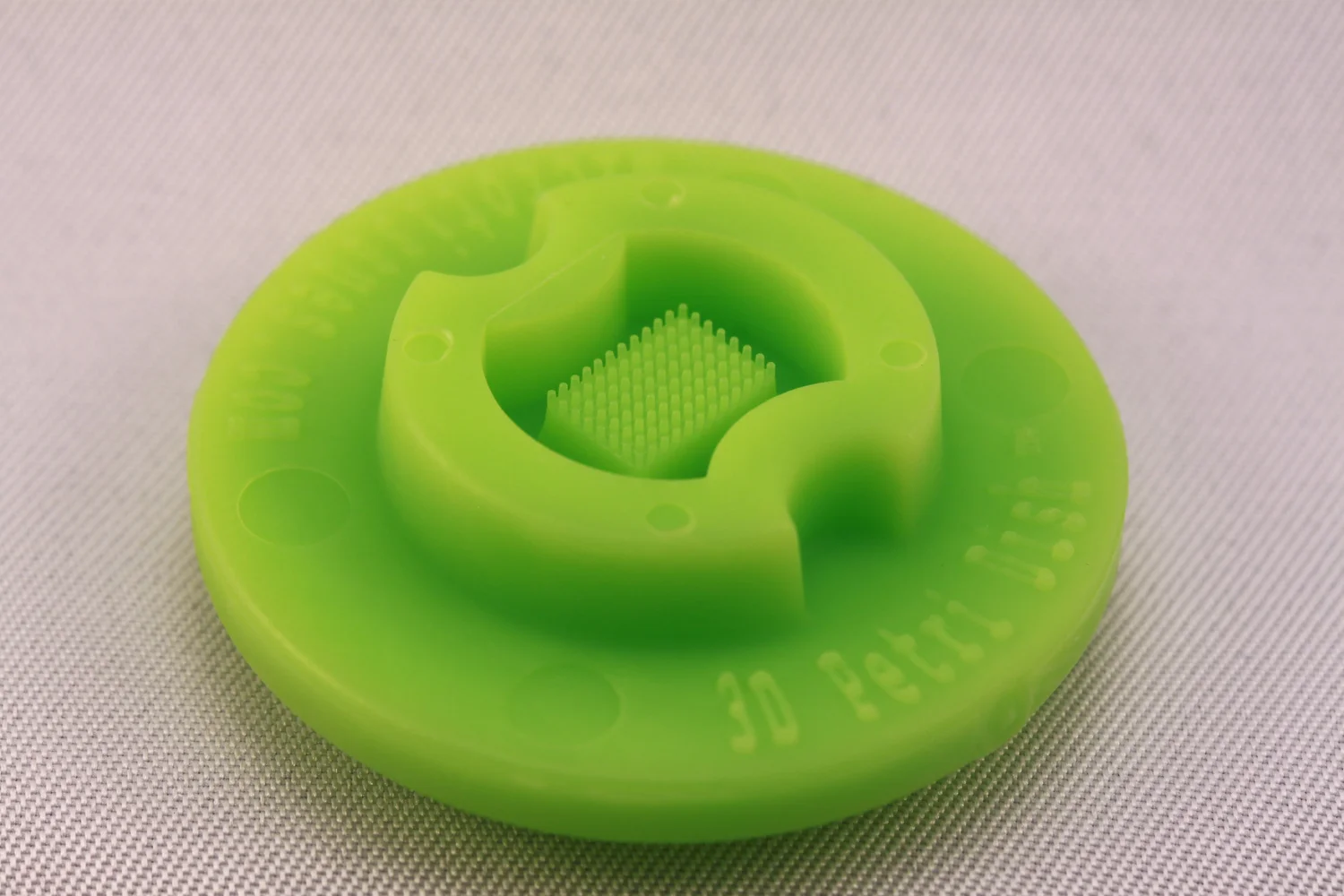
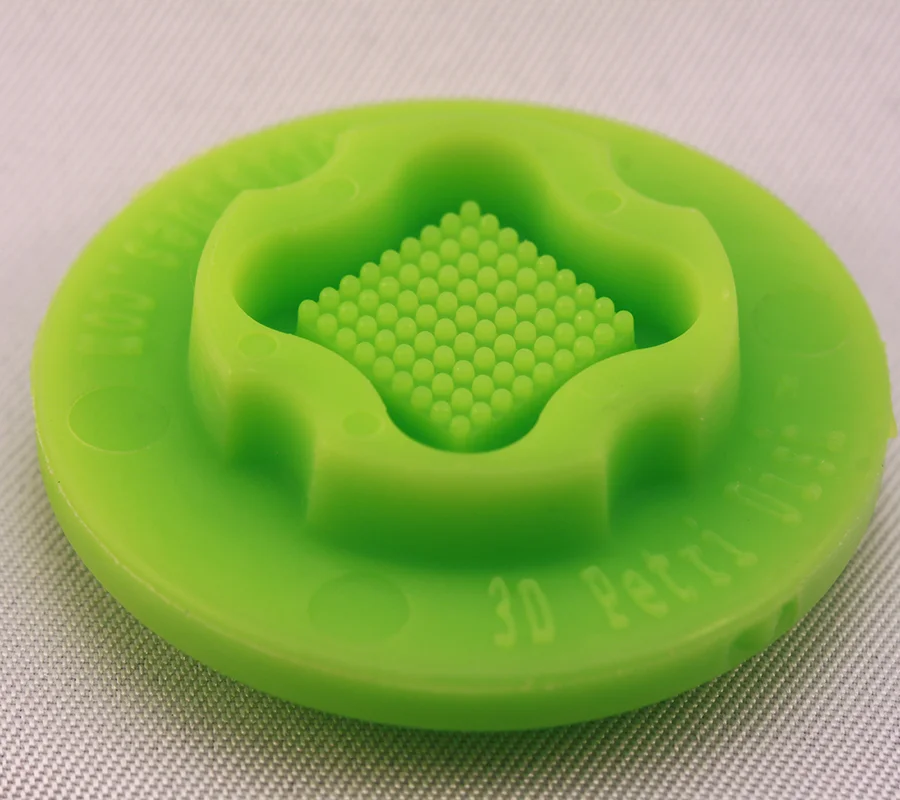
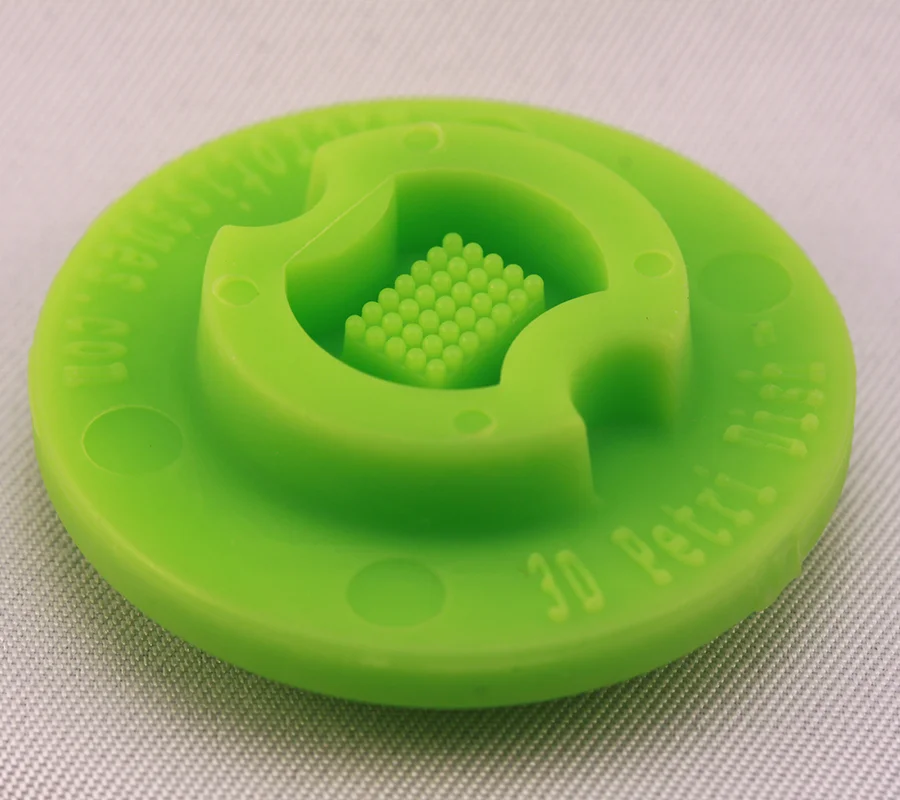
Published in npj Precision Oncology (2026), this peer-reviewed study used 3D Petri Dish® micro-molds to form scaffold-free 3D microtissues. Full citation: Labrosse, Kathrin B., et al. Ex vivo drug sensitivity testing predicts treatment outcomes in advanced ovarian cancer
Ex vivo drug sensitivity testing predicts treatment outcomes in advanced ovarian cancer
Research Overview
Most patients with advanced epithelial ovarian cancer relapse despite standard therapy, which argues for treatment matched to each tumor’s measured drug sensitivity. This study presents DRUGSENS, a scalable ex vivo screening platform that quantifies single-cell, on-target drug effects in cell lines and patient-derived samples, for single agents and clinically relevant combinations.
The semi-automated assay combines immunofluorescence confocal imaging with computational analysis in QuPath, Fiji, and a dedicated R package. The authors profiled 21 samples from 17 patients spanning chemotherapy-naive and relapsed disease, with 100% culture success — the basis for testing whether ex vivo sensitivity predicts what happens in the clinic.
Key Discoveries
- DRUGSENS platform measures single-cell, on-target drug effects in patient-derived ovarian cancer samples
- Semi-automated pipeline: immunofluorescence confocal imaging plus QuPath, Fiji, and an R package
- 21 samples from 17 patients (naive and relapsed) profiled with 100% culture success