Summary
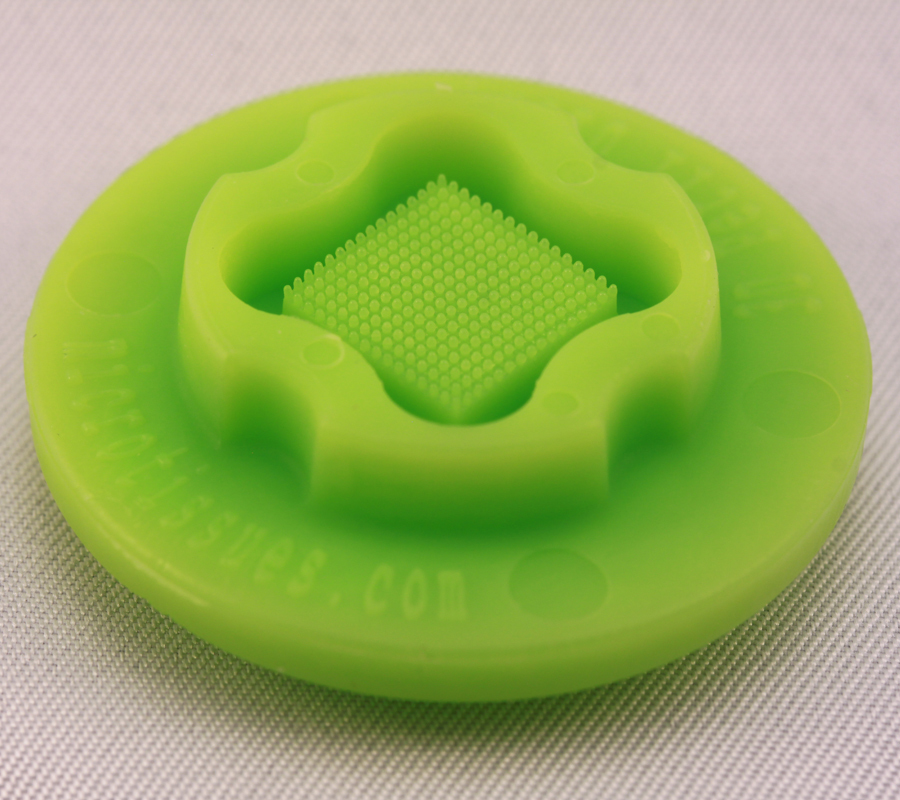
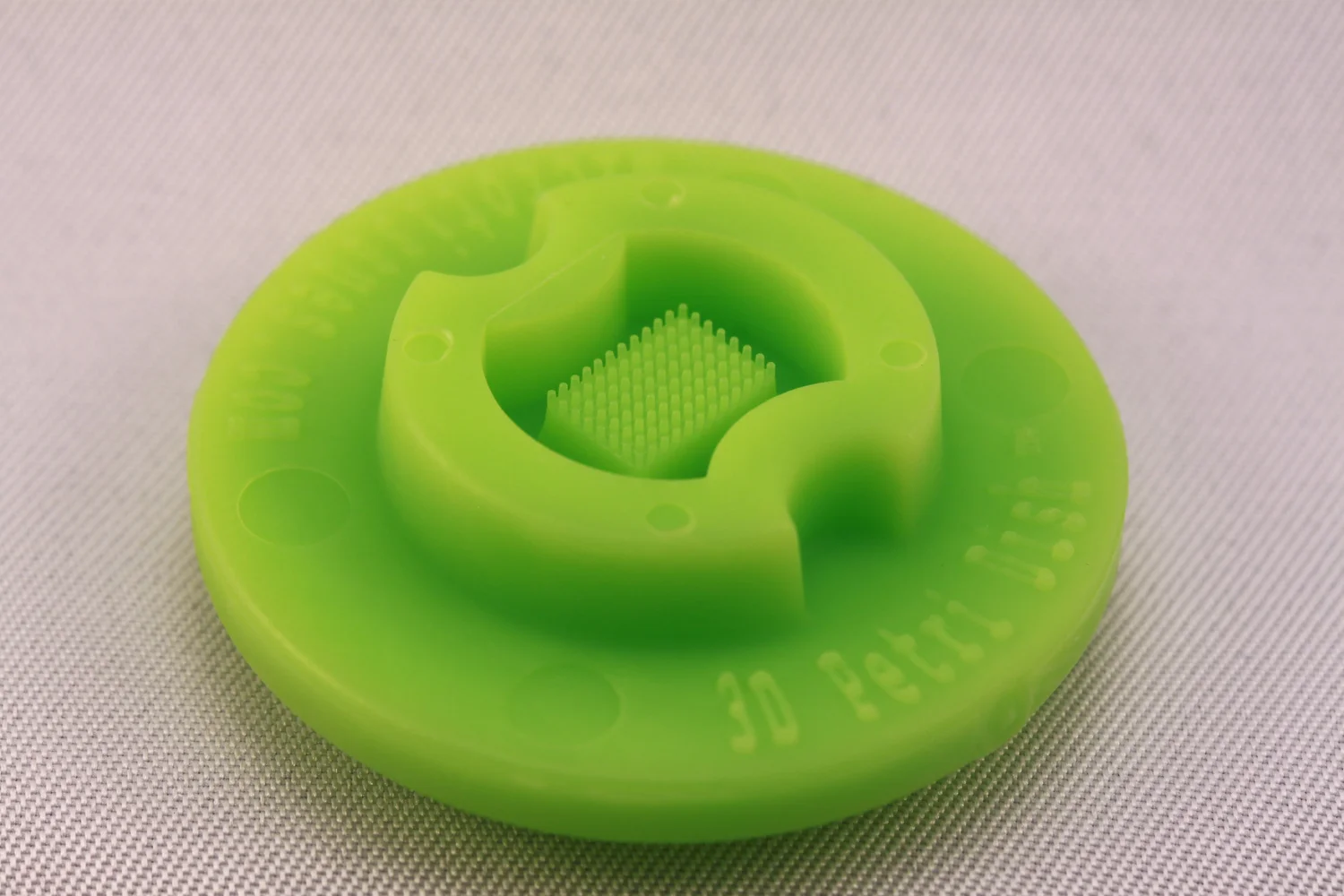
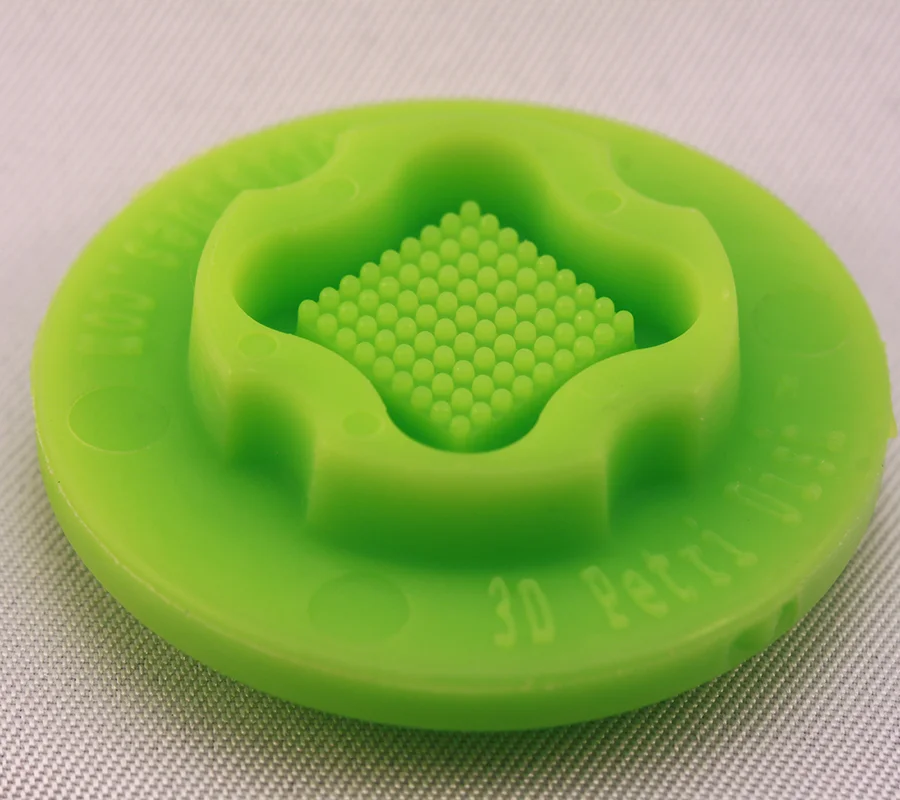
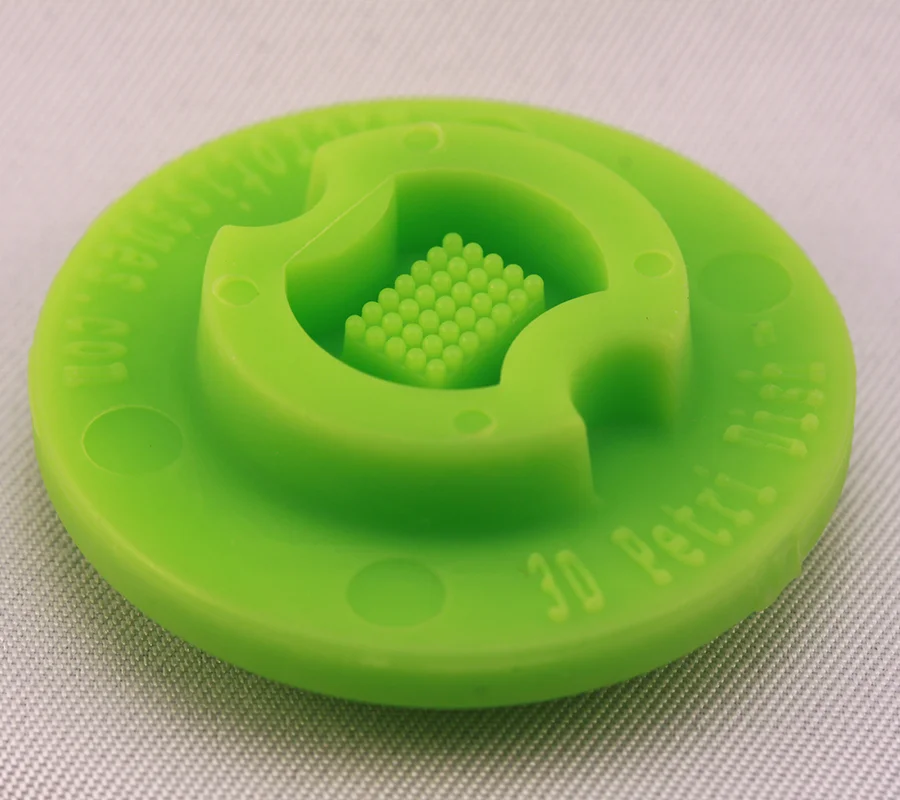
Published in J. Multidisciplinary Science Journal (2025), this study evaluated gold nanoparticles conjugated with Chlorin e6 (AuPs@Ce6) for photodynamic therapy (PDT) against triple-negative breast cancer (TNBC) using 3D tumor spheroid models. Spheroids generated with 3D Petri Dish® micro-molds demonstrated significant dose-dependent cytotoxicity with enhanced reactive oxygen species generation and penetration into the 3D tumor structure.
Evaluation of Photodynamic Therapy Using AuNPs@Ce6 in 3D Cultures of Triple-Negative Breast Cancer
Research Overview
Triple-negative breast cancer resists conventional treatment, motivating alternatives such as photodynamic therapy with functionalized nanoparticles. Because 3D culture better replicates the structural and functional features of the tumor microenvironment, this study grew 3D TNBC microtumors and treated them with photodynamic therapy using gold nanoparticles functionalized with Chlorin e6.
Viability was measured by MTT assay alongside histological analysis with hematoxylin-eosin staining, and both readouts showed that the nanoparticle-mediated photodynamic treatment was effective against the 3D spheroids — a more demanding test than monolayer screening.
Key Discoveries
- Effective PDT against TNBC spheroids — AuPs@Ce6 nanoparticles demonstrated significant cytotoxicity against triple-negative breast cancer spheroids in a dose-dependent manner, offering a promising therapeutic approach for this aggressive cancer subtype.
- Enhanced ROS generation and penetration — The gold nanoparticle-photosensitizer conjugate showed enhanced reactive oxygen species (ROS) production and improved penetration depth into the three-dimensional tumor structure.
- Physiologically relevant drug testing — The 3D spheroid model enabled assessment of drug penetration depth, hypoxic core response, and overall therapeutic efficacy in conditions that better recapitulate the in vivo tumor microenvironment.
- Superior to 2D culture evaluation — Compared to traditional 2D cultures, the 3D spheroid approach provided more clinically relevant data on photodynamic therapy performance, particularly regarding diffusion barriers and oxygen gradients.