Summary
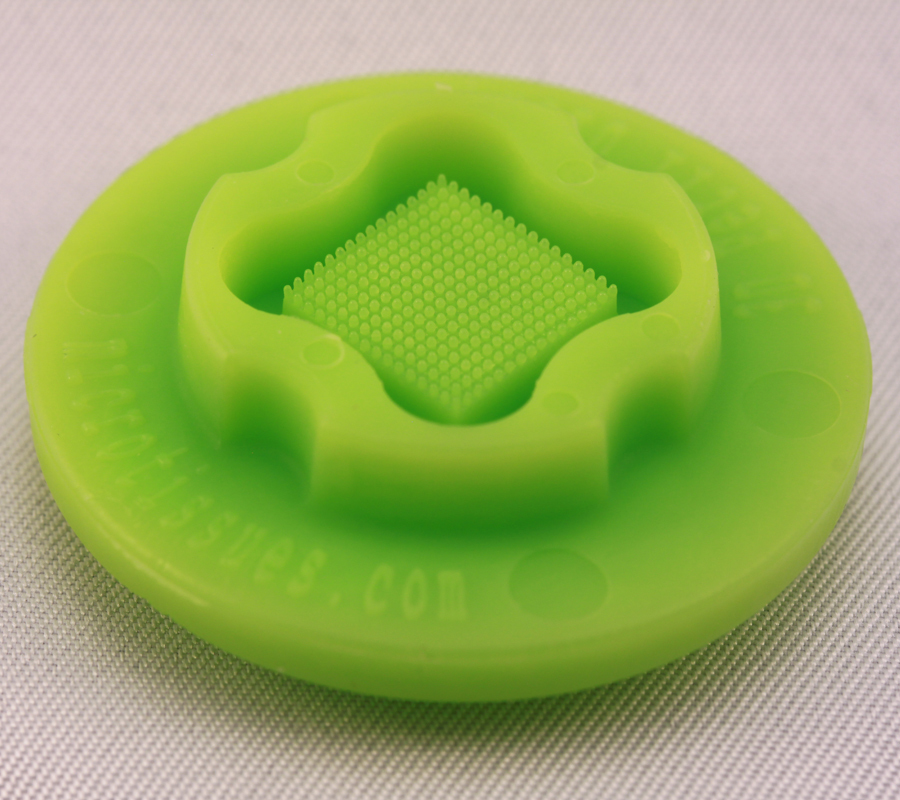
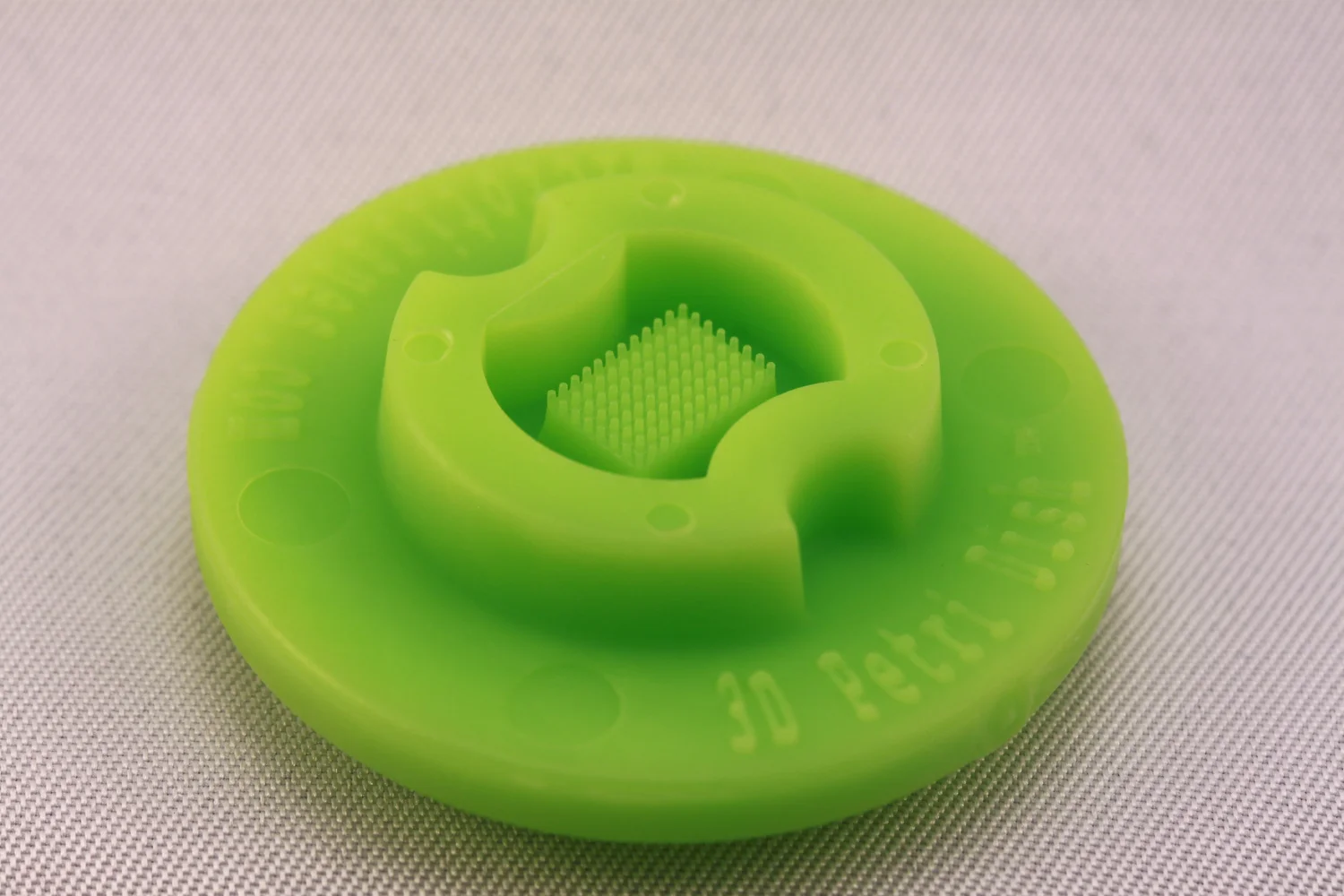
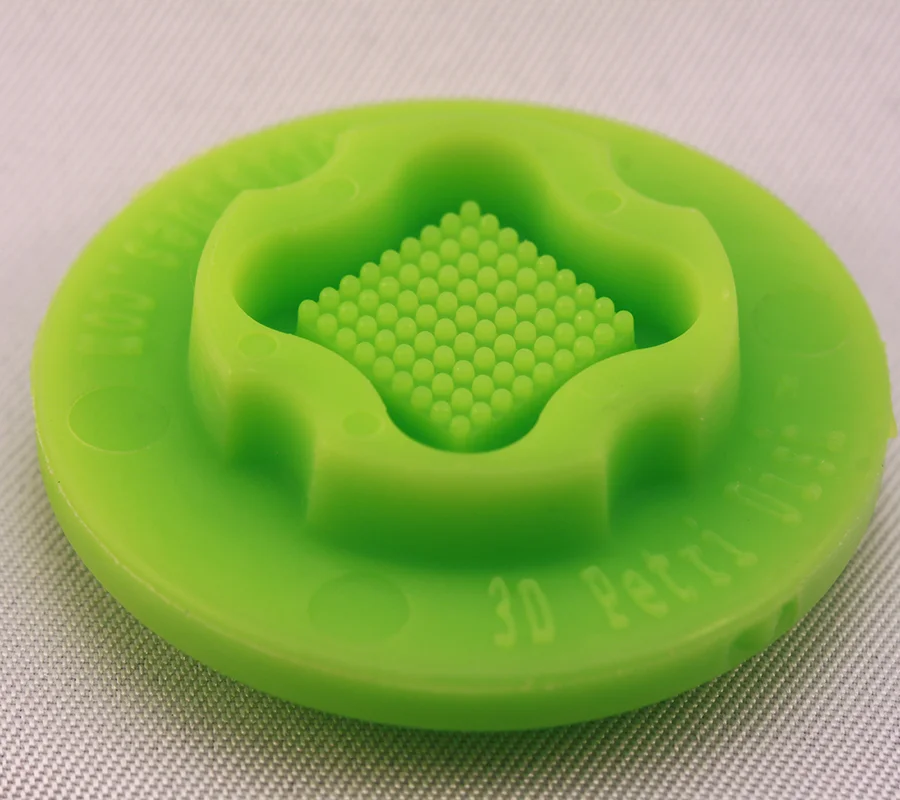
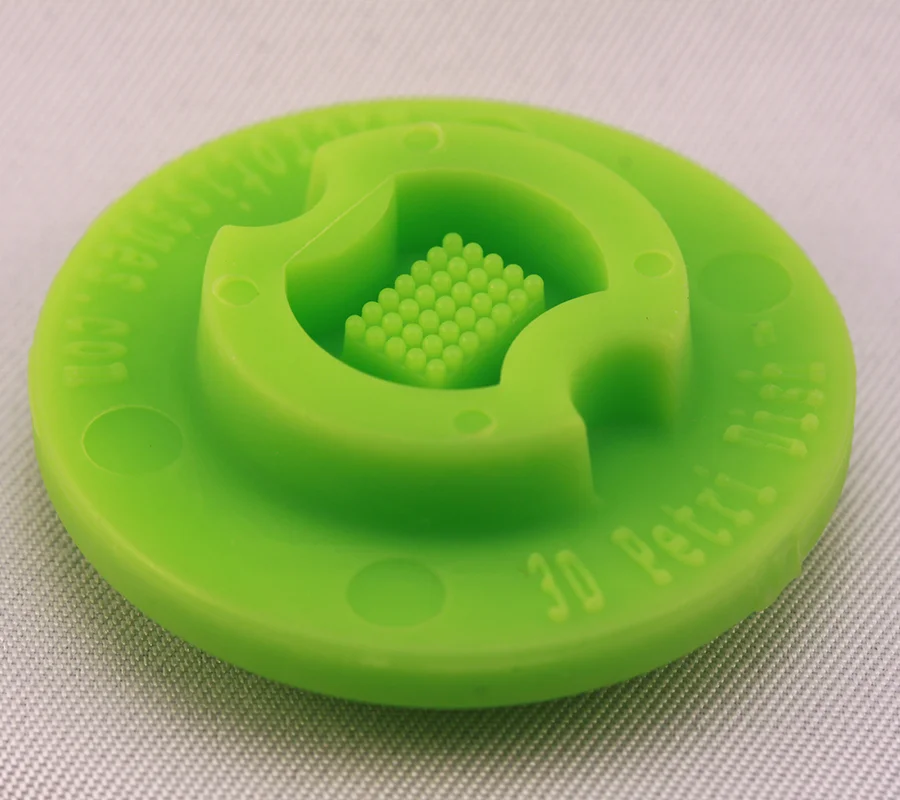
Published in International Journal of Molecular Sciences (2022), this peer-reviewed study used 3D Petri Dish® micro-molds to form scaffold-free 3D microtissues. Full citation: Soares, Jaqueline Pereira Moura, et al. Disruption of Redox Homeostasis by Alterations in Nitric Oxide Synthase Activity and Tetrahydrobiopterin along with Melanoma Progression
Disruption of Redox Homeostasis by Alterations in Nitric Oxide Synthase Activity and Tetrahydrobiopterin along with Melanoma Progression
Research Overview
Cutaneous melanoma, the most aggressive skin cancer, progresses through radial growth, vertical growth, and metastasis, with reactive oxygen species contributing at every stage. Tetrahydrobiopterin (BH4) is a cofactor that keeps nitric oxide synthase coupled; uncoupled, the enzyme produces superoxide instead of nitric oxide, disturbing redox balance.
Across cell lines representing distinct melanoma stages, BH4 levels varied — yet all showed higher superoxide and lower nitric oxide than normal melanocytes, alongside increased nitric oxide synthase expression, implicating BH4-dependent enzyme uncoupling in the redox disruption that accompanies melanoma progression.
Key Discoveries
- BH4 levels varied across melanoma lines representing radial, vertical, and metastatic stages
- All melanoma lines showed higher superoxide and lower nitric oxide than melanocytes
- Increased NOS expression with cofactor imbalance points to enzyme uncoupling as a redox driver