Summary
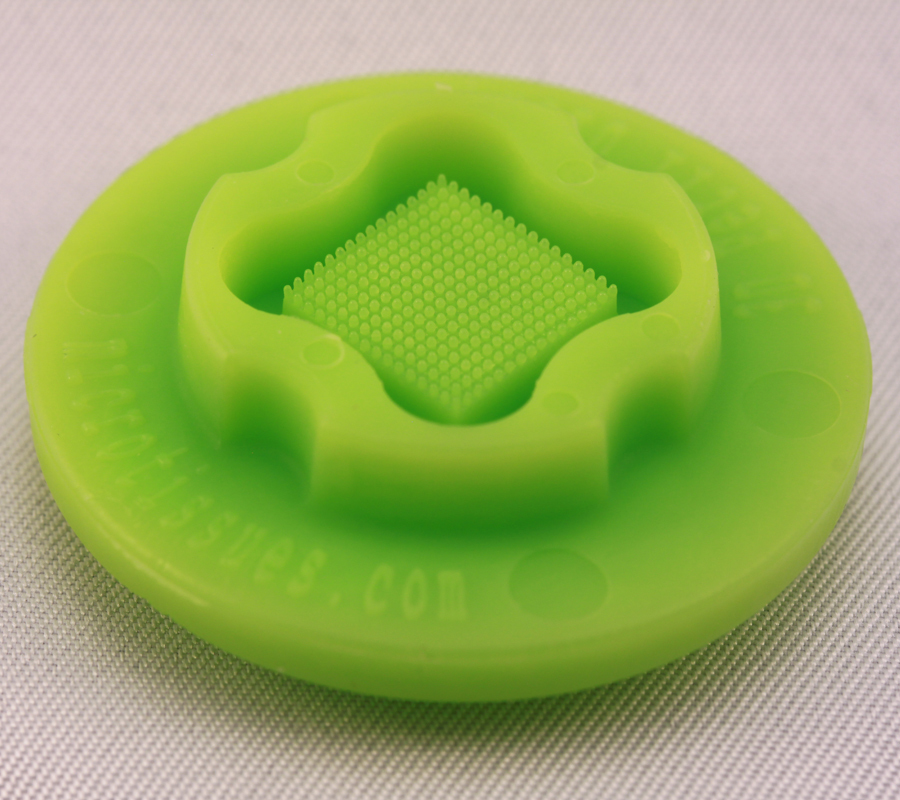
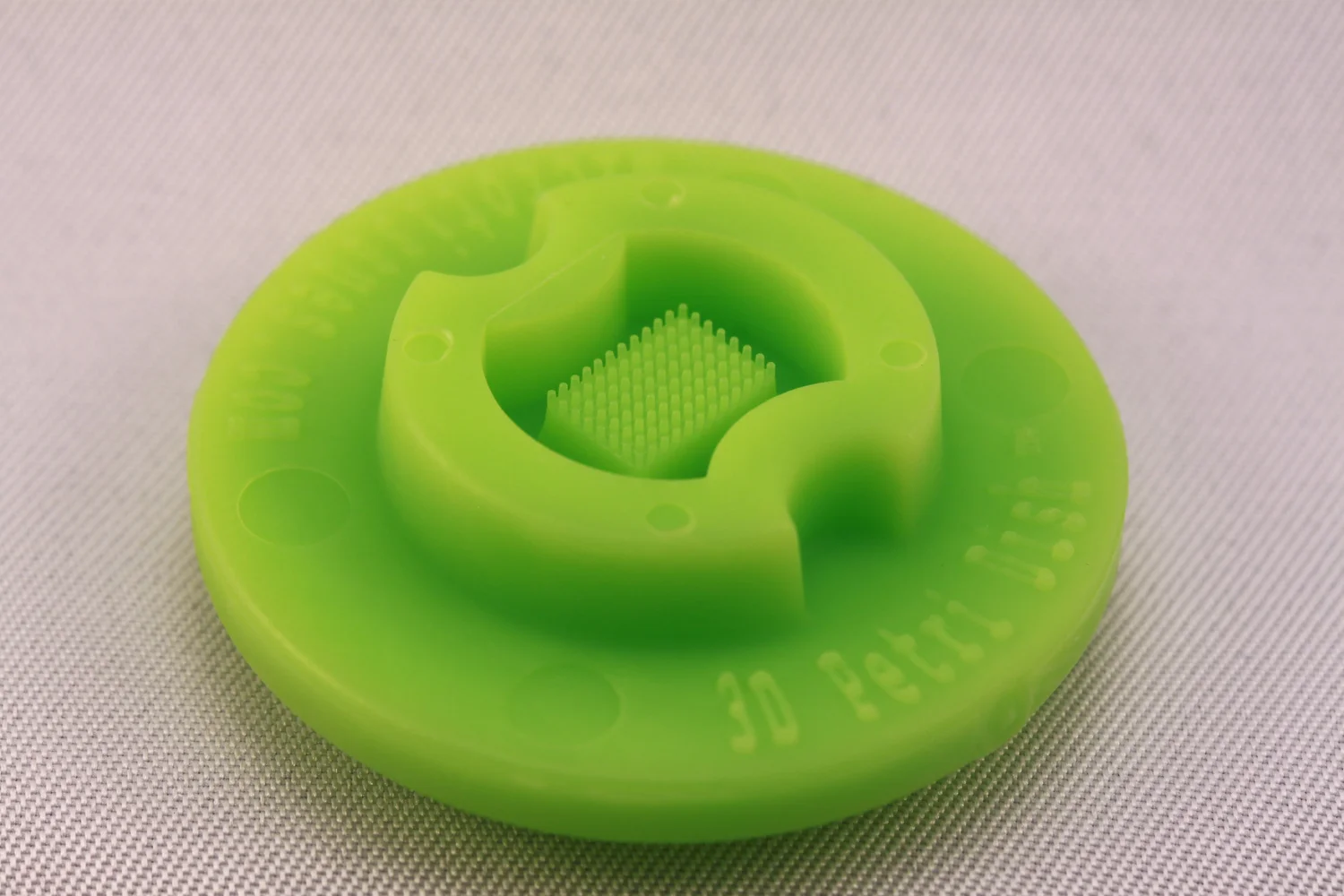
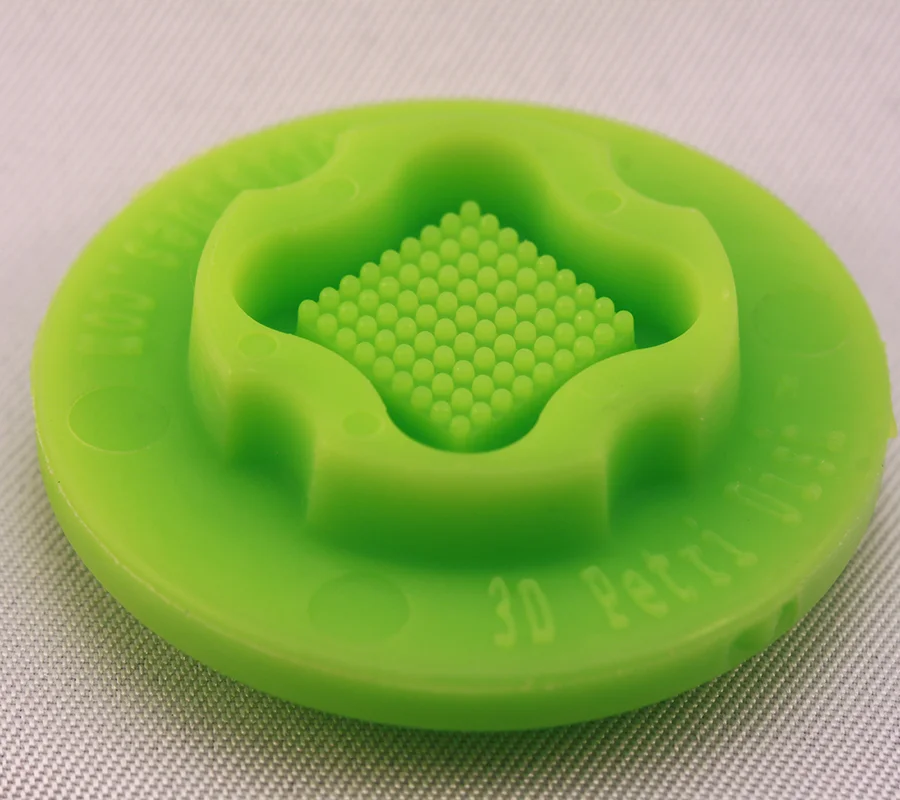
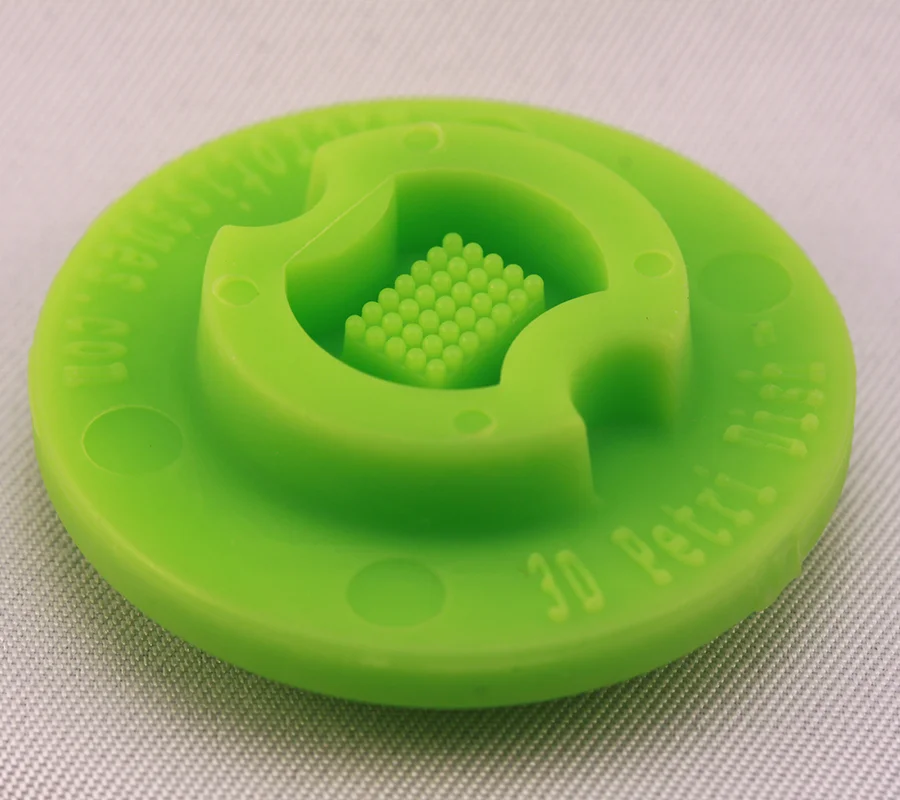
Published in Journal of Medicinal Chemistry (2024), this peer-reviewed study used 3D Petri Dish® micro-molds to form scaffold-free 3D microtissues. Full citation: Kruschel, Ryan D., et al. Discovery of Potent Isoquinolinequinone N -Oxides to Overcome Cancer Multidrug Resistance
Discovery of Potent Isoquinolinequinone N -Oxides to Overcome Cancer Multidrug Resistance
Research Overview
Multidrug resistance blunts many chemotherapies, so this study developed 20 potent isoquinolinequinone N-oxide derivatives across two isomeric families, all reaching nanomolar GI50 values against human tumor cell lines. In NCI-60 screening, the C(6) isomers achieved a mean GI50 more than twice as low as the corresponding C(7) isomers.
Nine compounds were evaluated against multidrug-resistant lines: each showed lower GI50 in the resistant cells, with four reaching nanomolar potency and selectivity ratios up to 2.7 versus parental cells. The most potent compound inhibited drug efflux pump activity and caused significant reactive oxygen species accumulation.
Key Discoveries
- 20 isoquinolinequinone N-oxide derivatives reached nanomolar GI50 against human tumor lines
- C(6) isomers outperformed C(7) isomers by more than 2-fold in NCI-60 mean GI50
- Lead compound inhibited drug efflux pumps and induced ROS accumulation in resistant cells