Summary
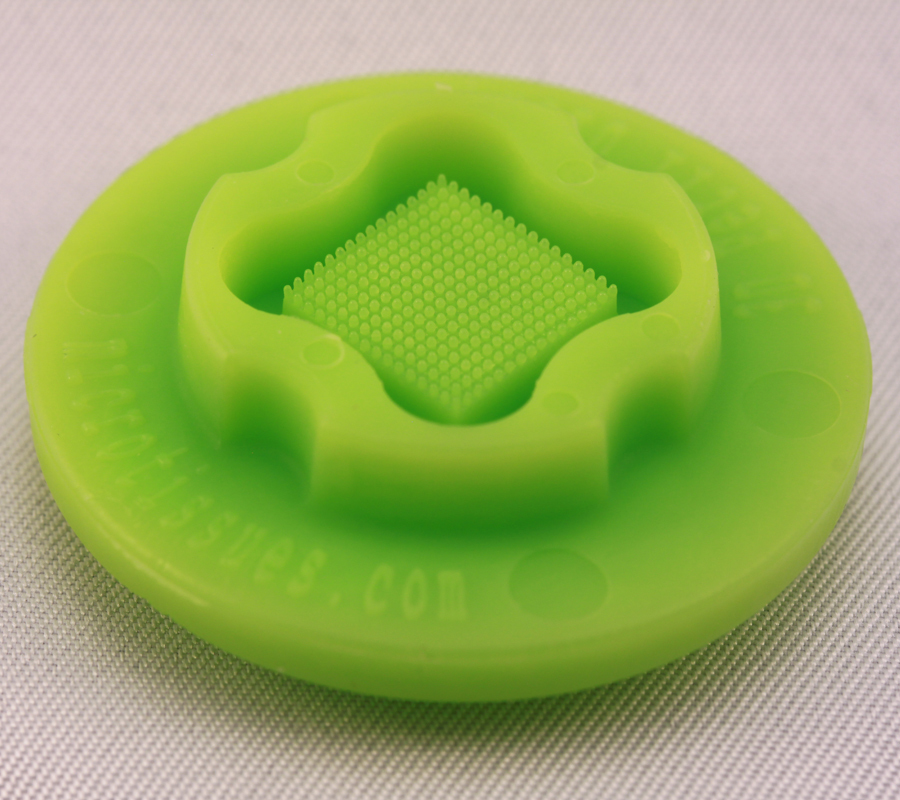
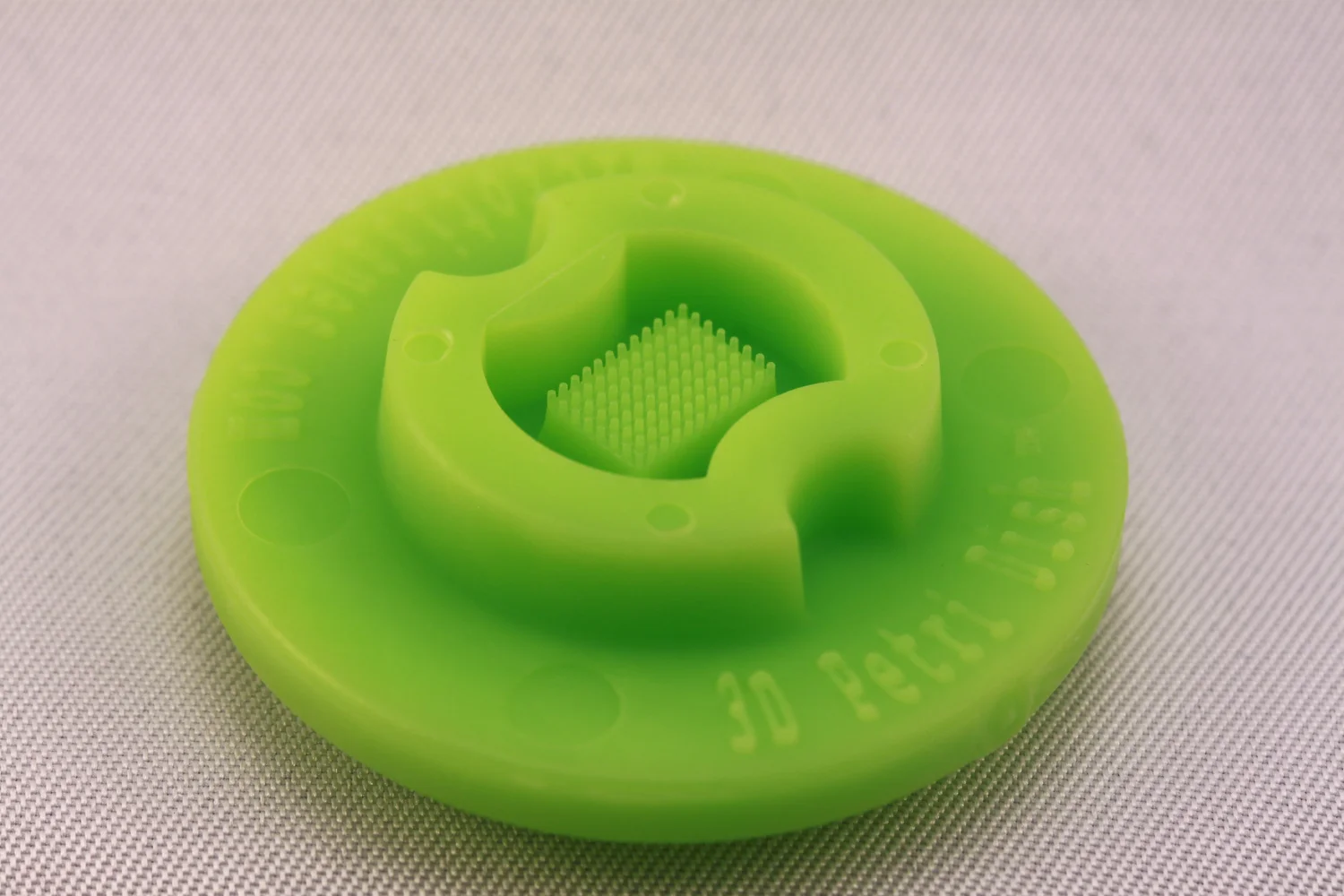
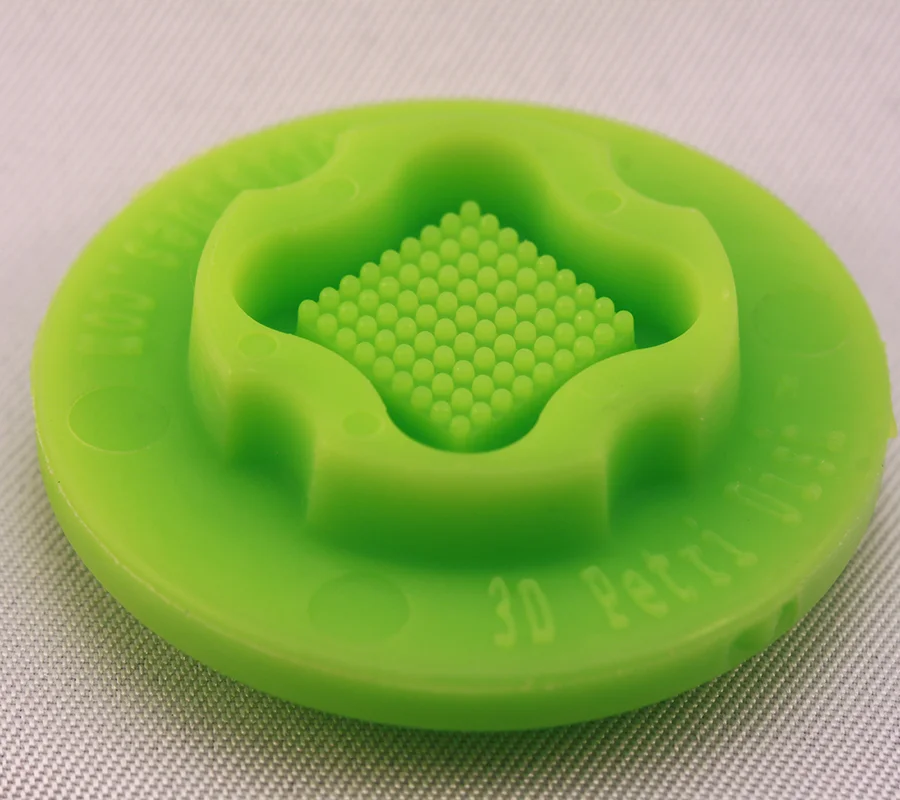
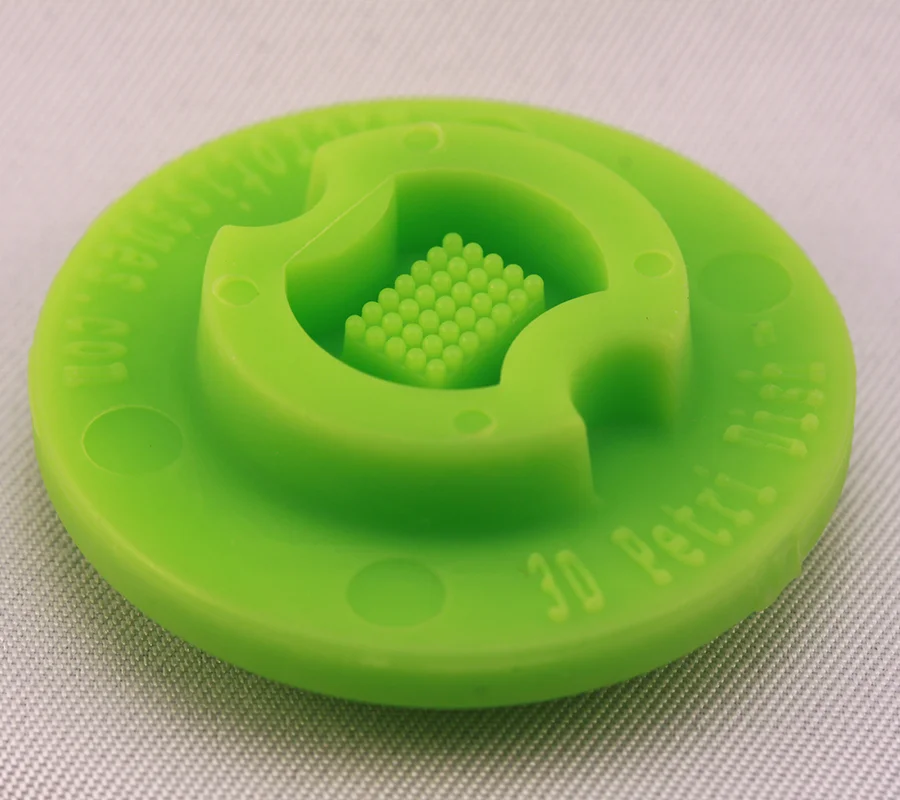
Published in Scientific Reports (2025), this peer-reviewed study used 3D Petri Dish® micro-molds to form scaffold-free 3D microtissues. Full citation: Martins, Flávia, et al. Differential unfolded protein response regulation in KRAS silencing sensitive and innately resistant colorectal cancer cells
Differential unfolded protein response regulation in KRAS silencing sensitive and innately resistant colorectal cancer cells
Research Overview
Mutant-selective KRAS inhibitors produce limited, often short-lived responses in colorectal cancer, and the mechanisms letting tumor cells tolerate KRAS blockade are unclear. This study profiled early transcriptional and proteomic responses to KRAS silencing in 3D colorectal spheroid models, stratifying cell lines as sensitive (HCT116, SW480) or resistant (LS174T, SW837) by spheroid growth, cell cycle progression, and apoptosis.
Transcriptional profiling identified the unfolded protein response and WNT/β-catenin signaling as pathways specifically upregulated in association with resistance — candidate mechanisms for tolerance to KRAS inhibition and possible combination-therapy targets.
Key Discoveries
- 3D colorectal spheroids stratified into KRAS-silencing sensitive and resistant groups
- Unfolded protein response and WNT/β-catenin signaling upregulated with resistance
- Points to combination strategies against tolerance to KRAS blockade