Summary
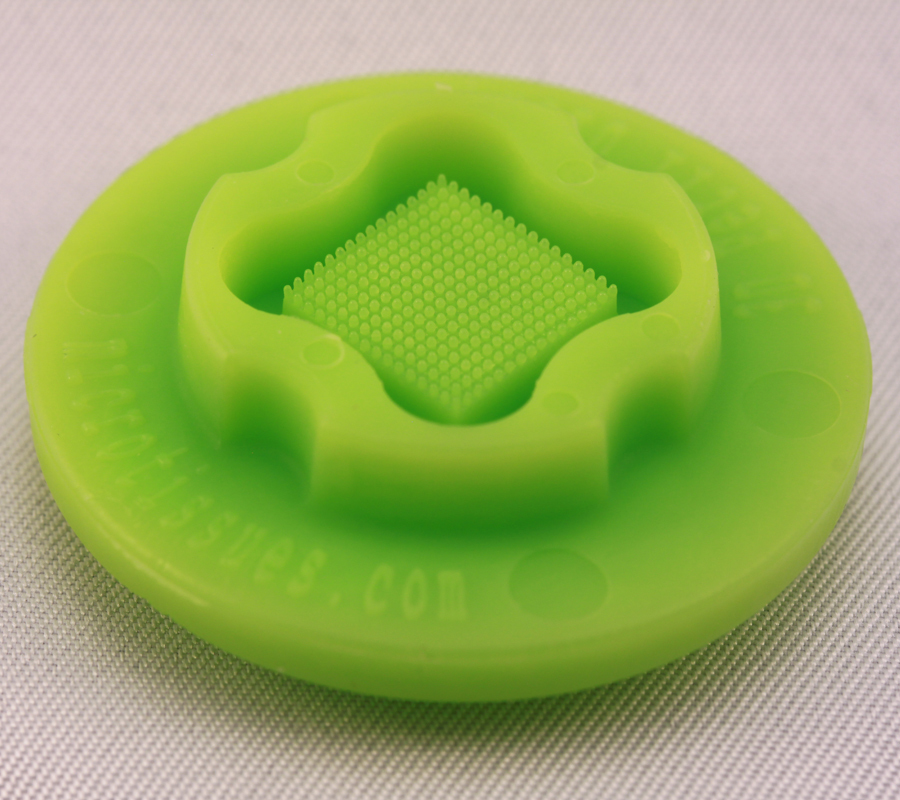
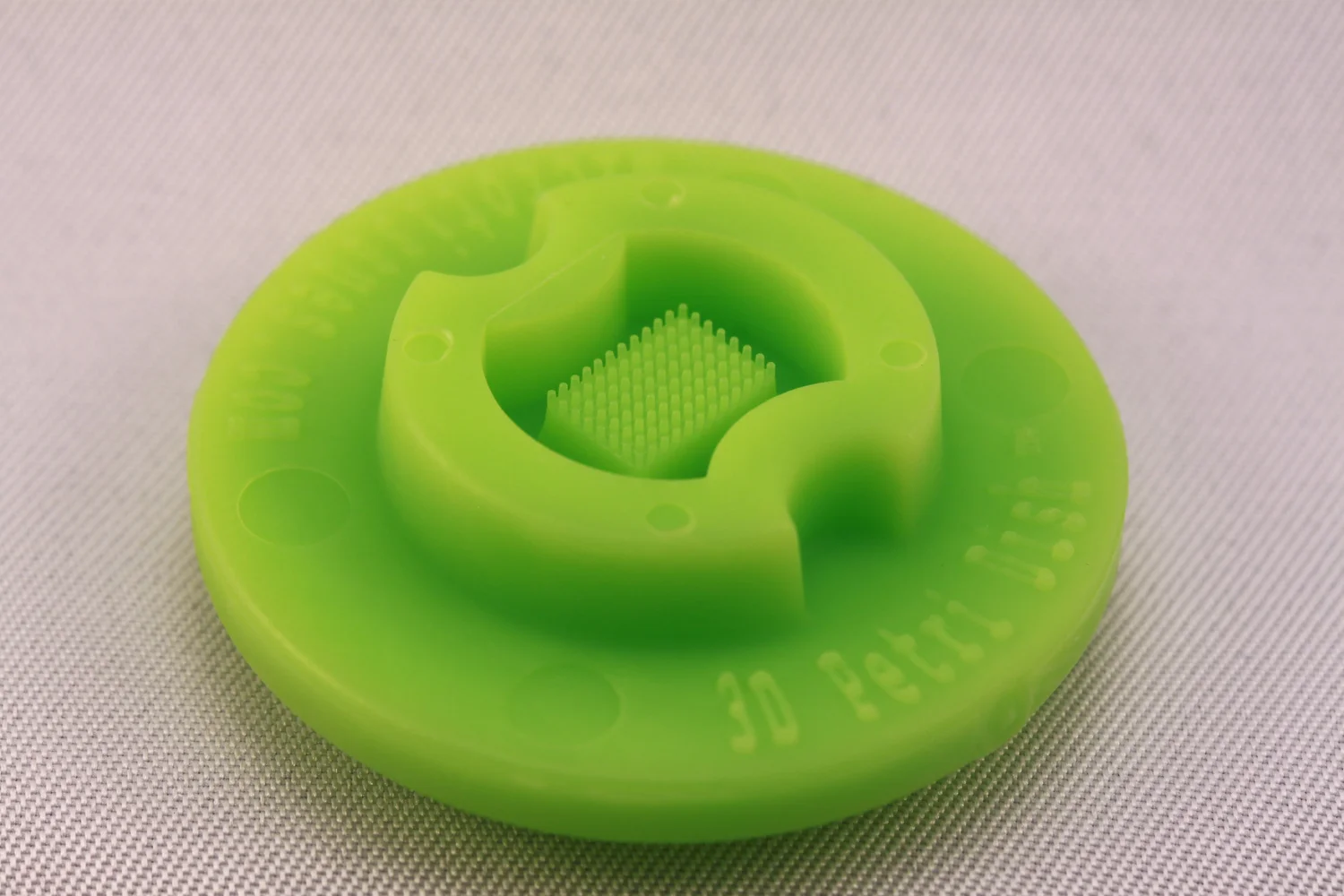
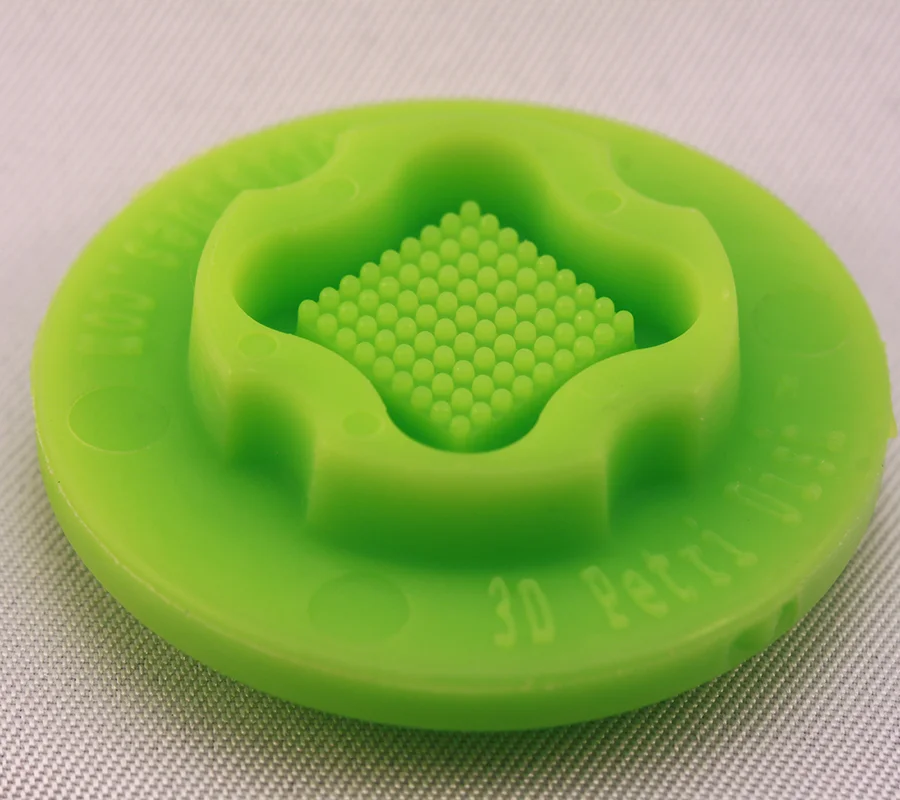
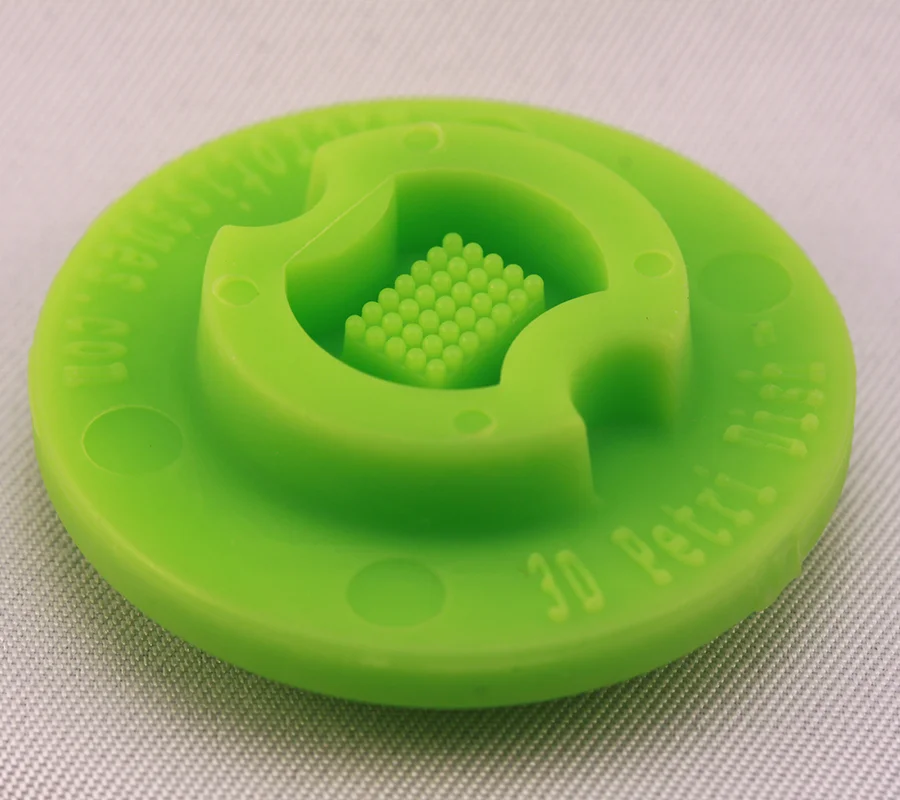
Published in Advanced Science (2023), this peer-reviewed study used 3D Petri Dish® micro-molds to form scaffold-free 3D microtissues. Full citation: Martins, Álvaro M., et al. Differential Protein and Glycan Packaging into Extracellular Vesicles in Response to 3D Gastric Cancer Cellular Organization
Differential Protein and Glycan Packaging into Extracellular Vesicles in Response to 3D Gastric Cancer Cellular Organization
Research Overview
Altered glycosylation is a hallmark of cancer, producing aberrant glycans on tumor cells, and extracellular vesicles — which carry several known tumor-associated glycans — mediate communication that shapes progression. Whether 3D tumor architecture changes which glycans get packaged into vesicles had never been examined.
Gastric cancer cell lines with differing glycosylation were cultured as conventional 2D monolayers and in 3D, and their vesicle production, release, proteomic content, and specific glycan cargo were compared. Although the vesicle proteomes were broadly similar between formats, spatial organization altered how specific glycans were packaged — evidence that culture dimensionality affects vesicle cargo.
Key Discoveries
- First test of whether 3D architecture changes glycan packaging into cancer extracellular vesicles
- Gastric cancer lines with distinct glycosylation compared in 2D and 3D culture
- Vesicle proteomes were similar across formats, but specific glycan cargo differed with spatial organization