Summary
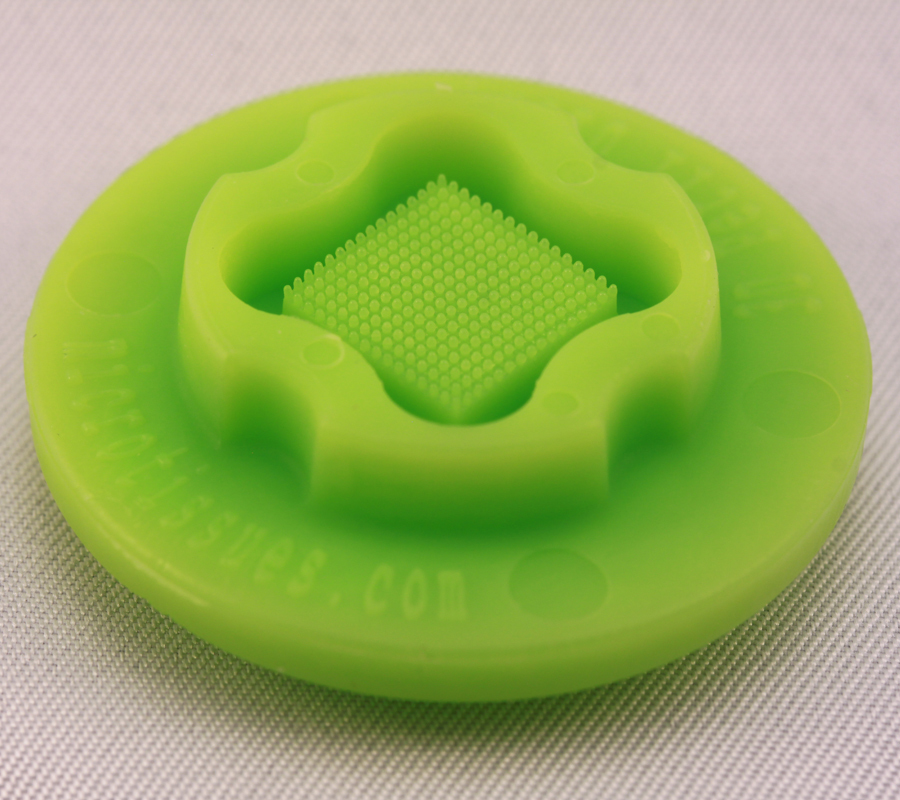
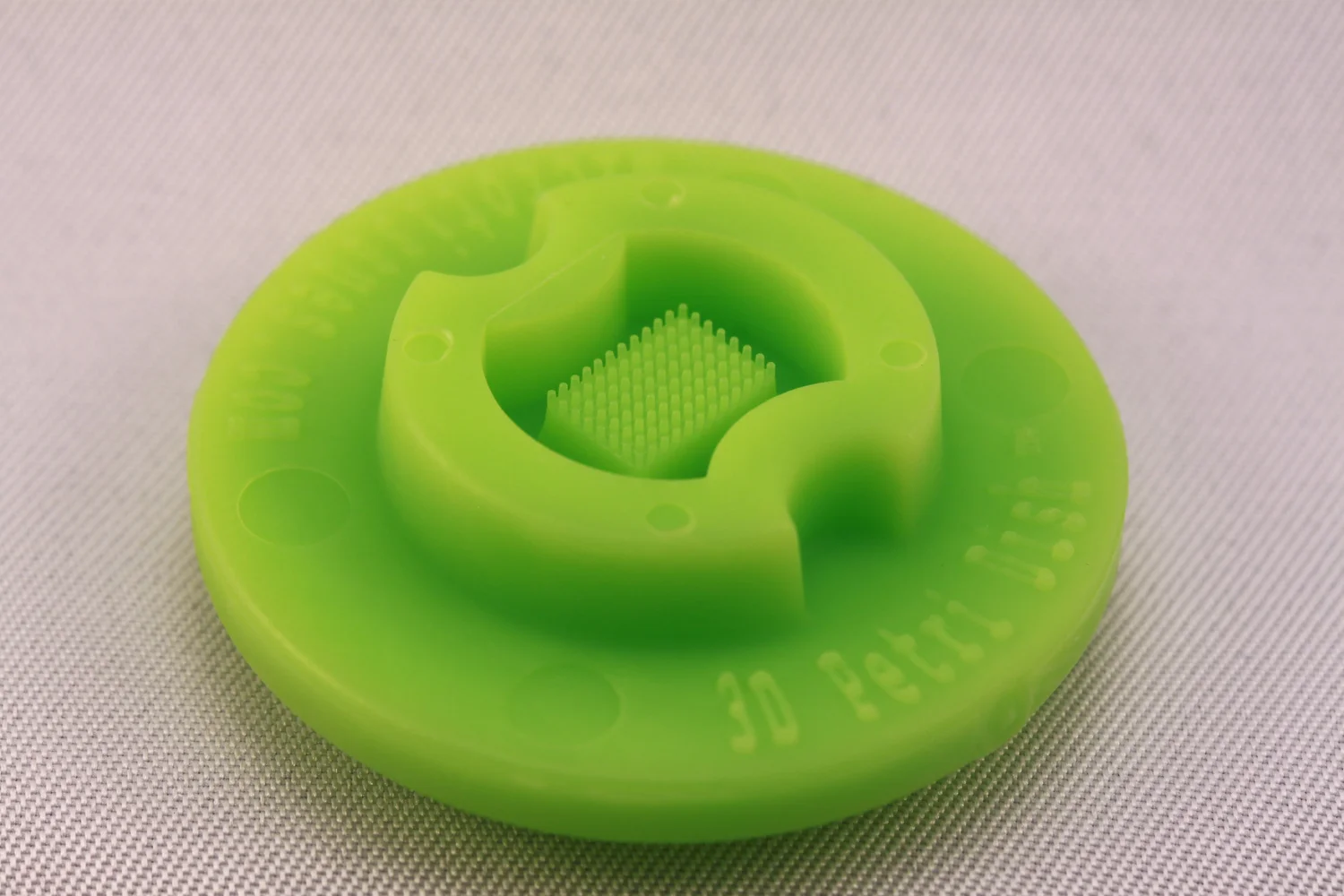
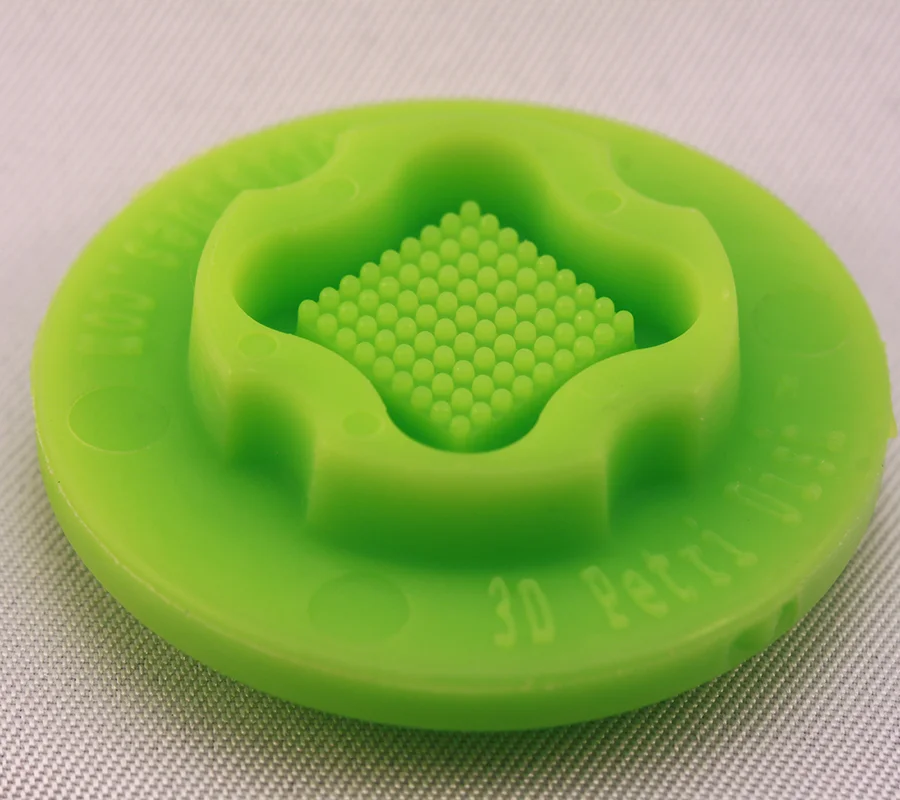
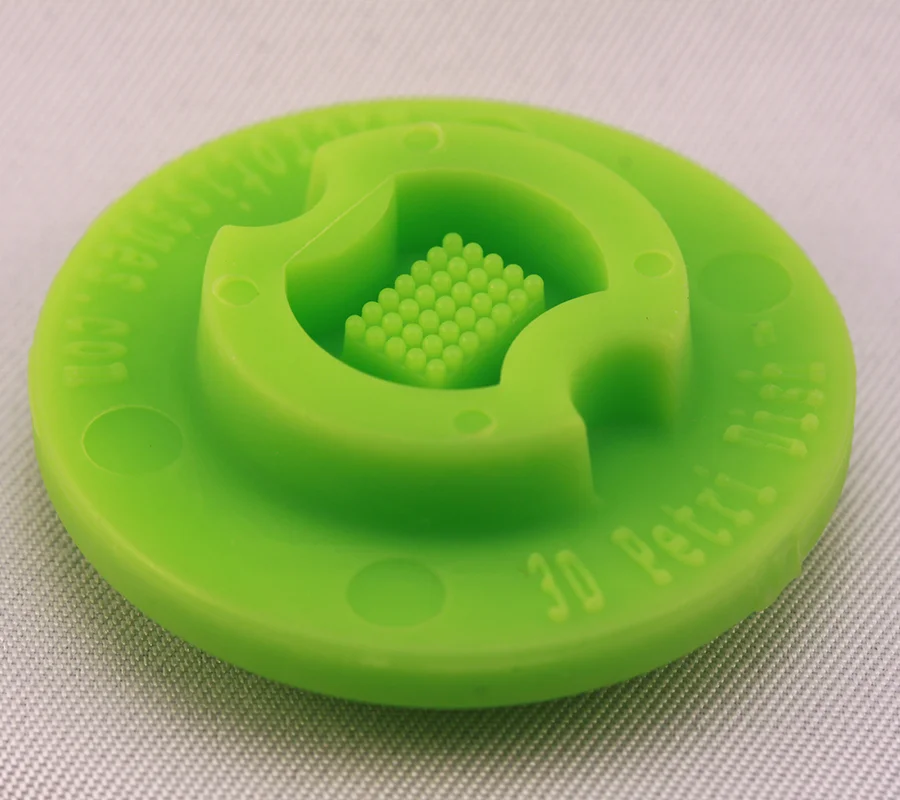
Published in Cancer Nanotechnology (2024), this peer-reviewed study used 3D Petri Dish® micro-molds to form scaffold-free 3D microtissues. Full citation: Li, Ying, et al. Delivery of IL2RG mRNA via nanoparticles to enhance CD8+ T cell promotes anti-tumor effects against late-stage triple-negative breast cancer
Delivery of IL2RG mRNA via nanoparticles to enhance CD8+ T cell promotes anti-tumor effects against late-stage triple-negative breast cancer
Research Overview
This study pursued IL2RG as a lever for CD8+ T cell-based immunotherapy in triple-negative breast cancer. Single-cell RNA sequencing of early and late-stage tumors, plus meta-analysis of six breast cancer datasets, nominated the gene; CRISPR/Cas9 knockout and overexpression in CD8+ T cells were then profiled by flow cytometry, ELISA, immunofluorescence, and metabolic assays.
A 3D cancer cell spheroid model provided the co-culture setting for testing engineered T cells against tumor tissue, and lipid-coated calcium-phosphate nanoparticles carrying IL2RG mRNA were synthesized and injected into mouse models — a path from target discovery to nanoparticle-delivered mRNA immunotherapy.
Key Discoveries
- IL2RG identified via single-cell RNA-seq of TNBC plus meta-analysis of six datasets
- 3D spheroid co-culture used to test CRISPR-engineered CD8+ T cells against tumor cells
- Lipid-coated calcium-phosphate nanoparticles delivered IL2RG mRNA in vivo