Summary
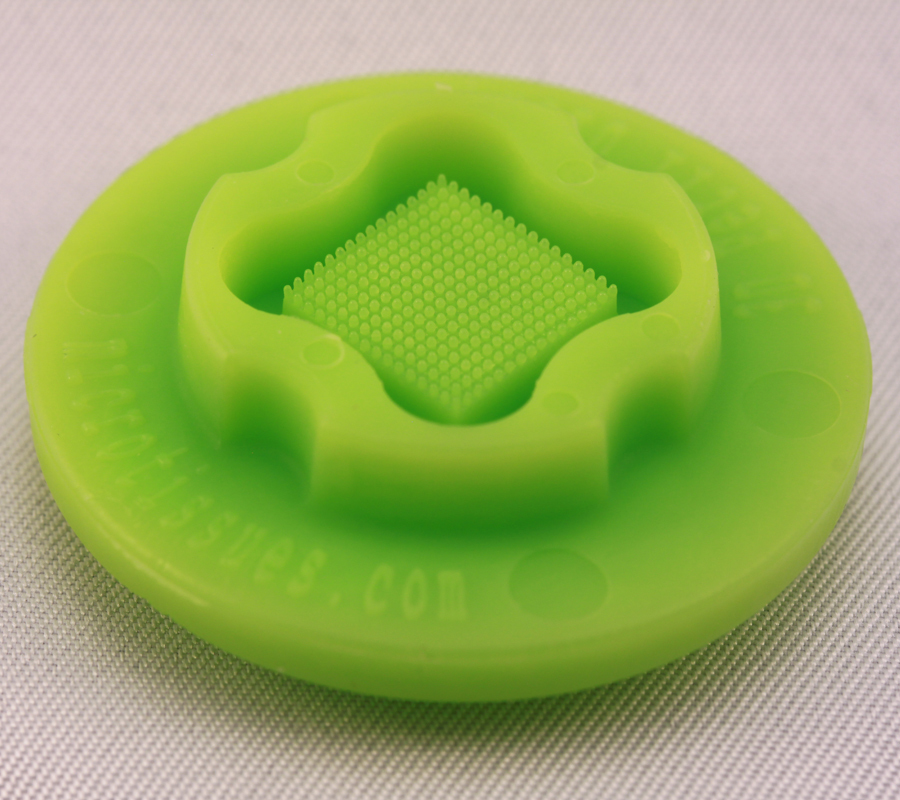
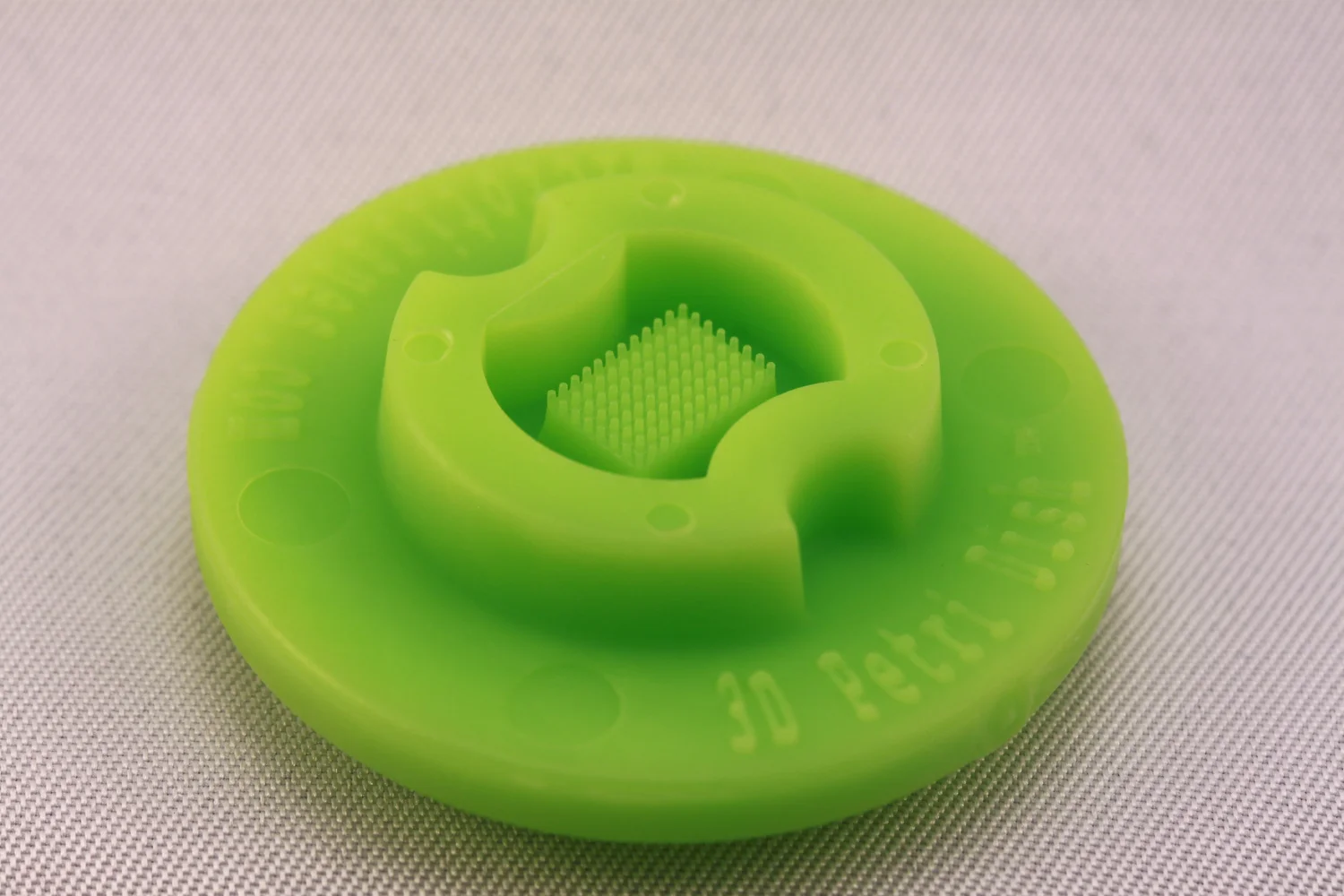
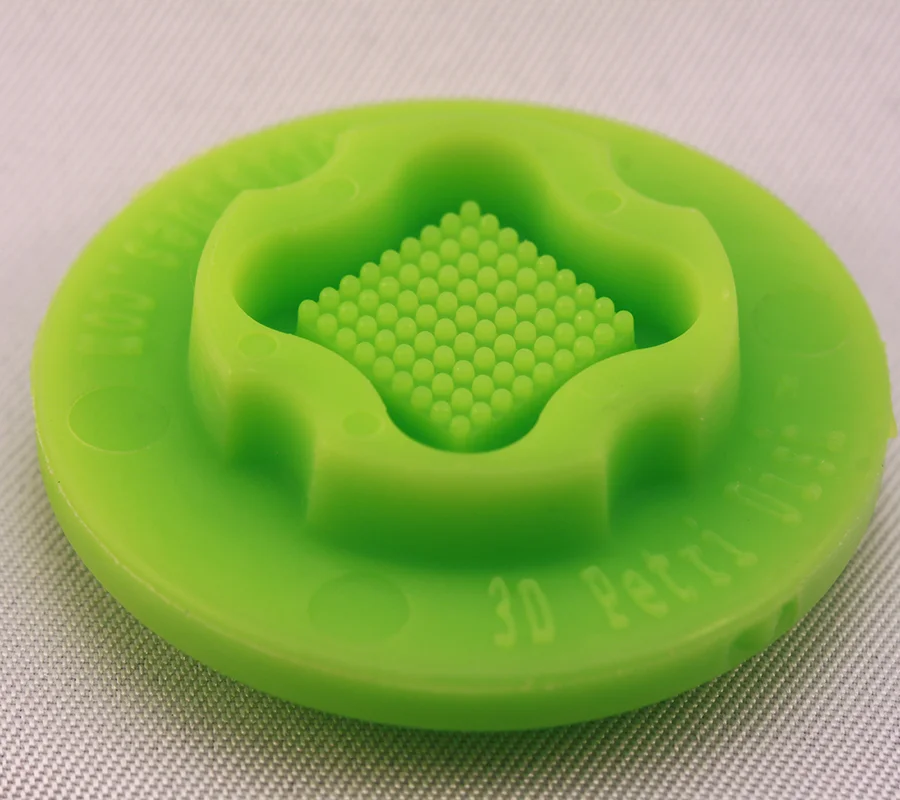
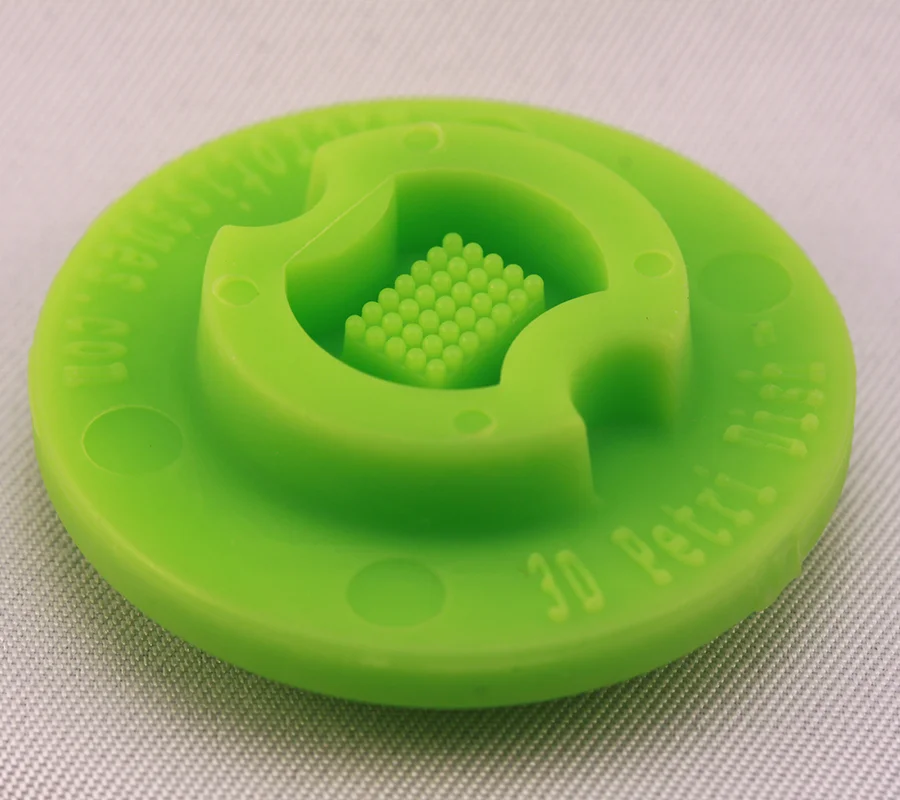
Published in Journal of Controlled Release (2020), this peer-reviewed study used 3D Petri Dish® micro-molds to form scaffold-free 3D microtissues. Full citation: Bauleth-Ramos, Tomás, et al. Colorectal cancer triple co-culture spheroid model to assess the biocompatibility and anticancer properties of polymeric nanoparticles
Colorectal cancer triple co-culture spheroid model to assess the biocompatibility and anticancer properties of polymeric nanoparticles
Research Overview
Colorectal cancer is the third most common and second deadliest cancer worldwide. Combining nanotechnology with chemo- and immunotherapy is promising, but clinical translation has been held back by the absence of cell models that reliably predict in vivo performance.
This study built a 3D multicellular tumor spheroid model combining epithelial colon cancer cells (HCT116), human intestinal fibroblasts, and monocytes. The resulting spheroids reproduced several tumor features — cells organized spatially and produced their own extracellular matrix — giving nanomedicine developers a more demanding and more predictive preclinical test than monoculture.
Key Discoveries
- Triple co-culture spheroids combine colon cancer cells, intestinal fibroblasts, and monocytes
- Spheroids showed spatial cellular organization and produced their own extracellular matrix
- Built specifically to improve preclinical prediction for nanomedicine formulations