Summary
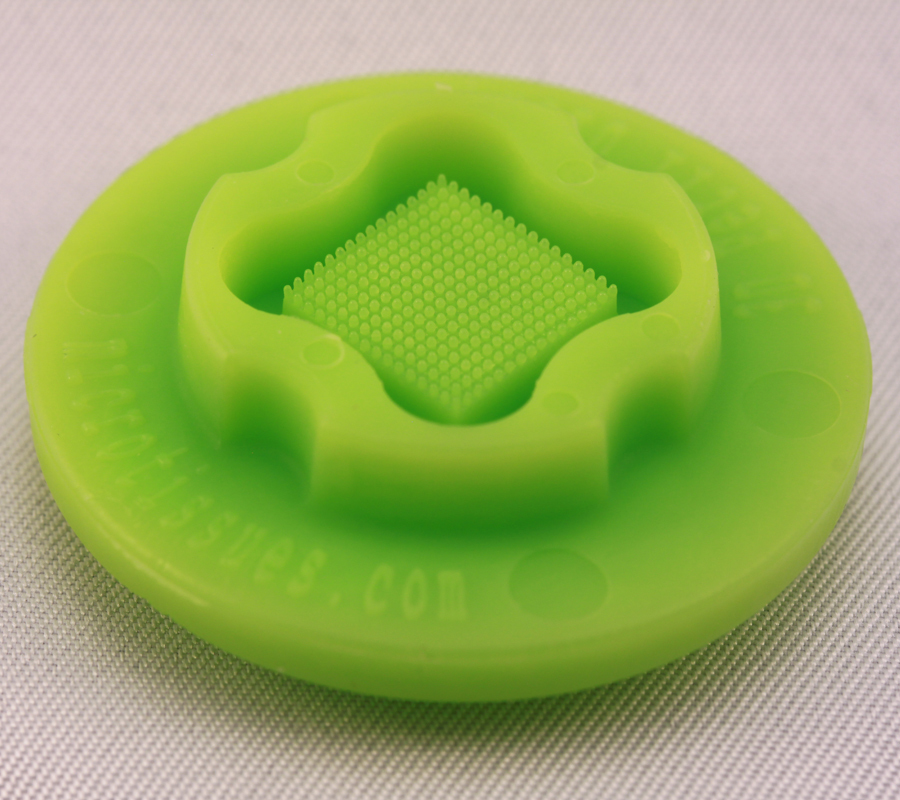
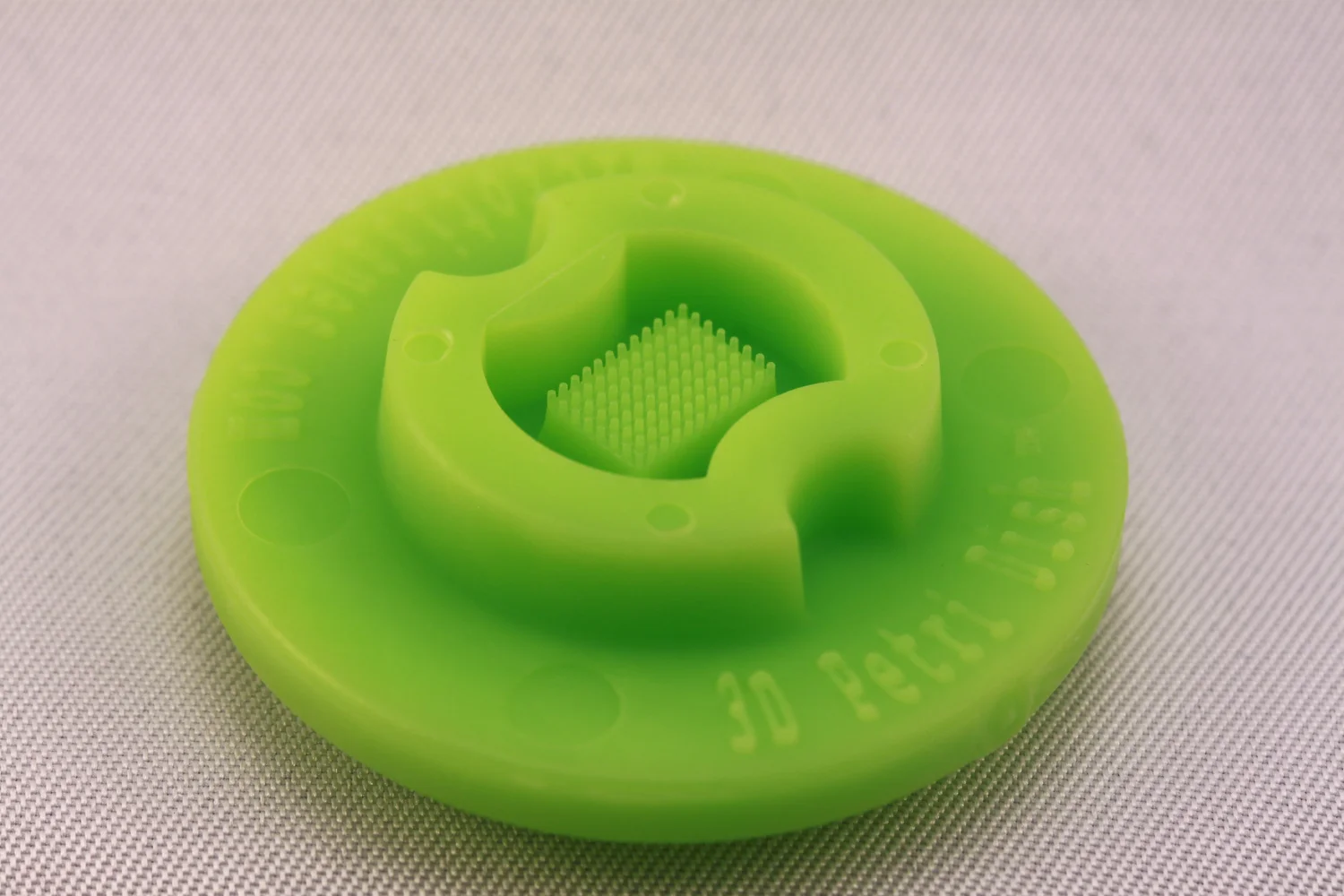
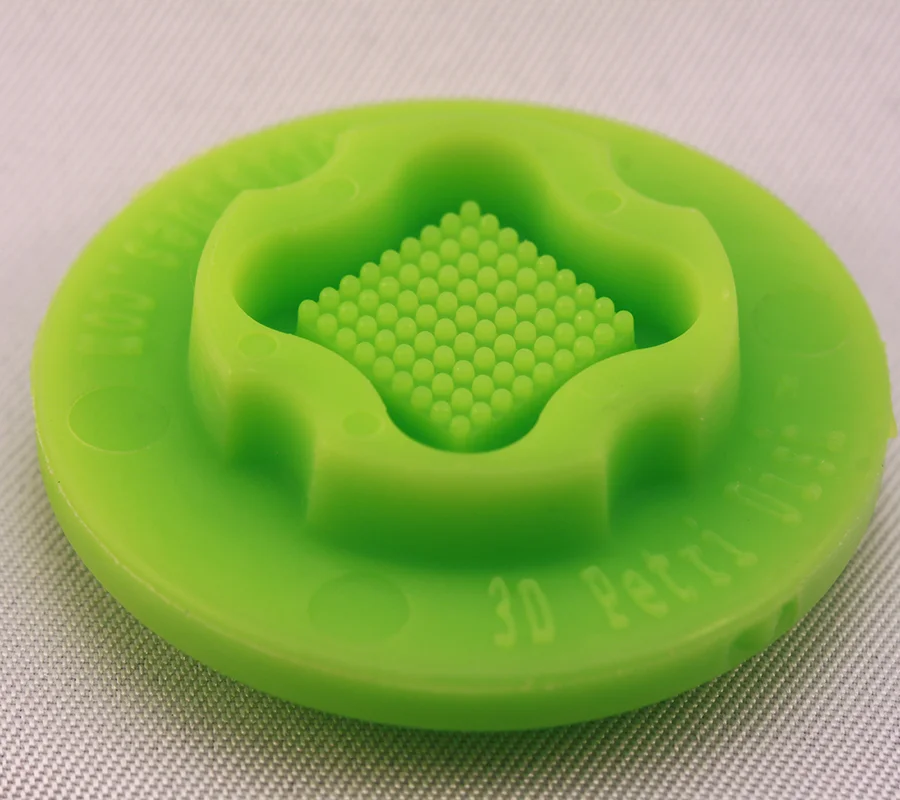
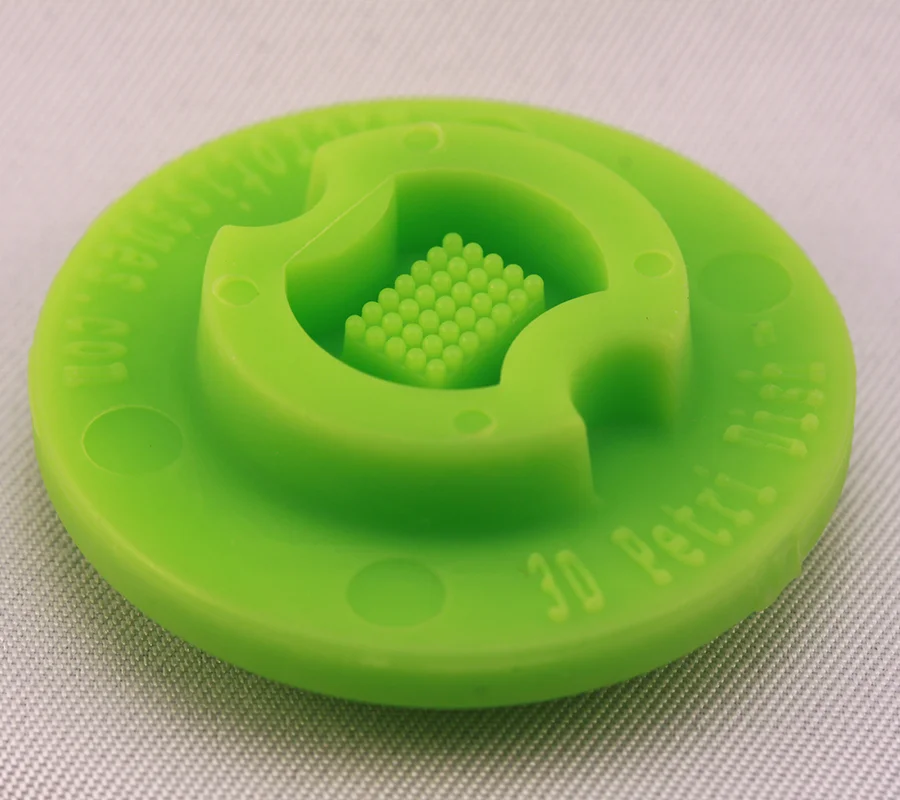
Published in International Journal of Cancer (2017), this peer-reviewed study used 3D Petri Dish® micro-molds to form scaffold-free 3D microtissues. Full citation: Gupta, Sweta K., et al. Coadministration of a tumor‐penetrating peptide improves the therapeutic efficacy of paclitaxel in a novel air‐grown lung cancer 3D spheroid model
Coadministration of a tumor‐penetrating peptide improves the therapeutic efficacy of paclitaxel in a novel air‐grown lung cancer 3D spheroid model
Research Overview
3D culture platforms are increasingly used in cancer research and drug development because they mimic avascular tumors. This study developed an air-grown multicellular spheroid (MCS) model of lung cancer to better evaluate aerosol anticancer therapeutics. Spheroids were formed from A549 lung adenocarcinoma cells and contained cellular heterogeneity along proliferative and metabolic gradients.
Growth kinetics, morphology, and 3D structure of the air-grown spheroids were characterized by brightfield, fluorescence, and scanning electron microscopy. Coadministering the tumor-penetrating peptide iRGD with paclitaxel significantly decreased spheroid growth compared with paclitaxel alone.
Key Discoveries
- Air-grown A549 multicellular spheroid model designed for testing aerosol anticancer therapeutics
- Spheroids characterized by brightfield, fluorescence, and scanning electron microscopy
- iRGD plus paclitaxel reduced spheroid growth significantly more than paclitaxel alone